How to Choose Luggage Wheels: Bearings and Replaceability
A few simple checks in a store, or from product photos, reveal how a wheel system will age. Also learn how to confirm replacements before you buy the bag.
 By BuyOnceChoice Editorial Team
Updated November 16, 2026
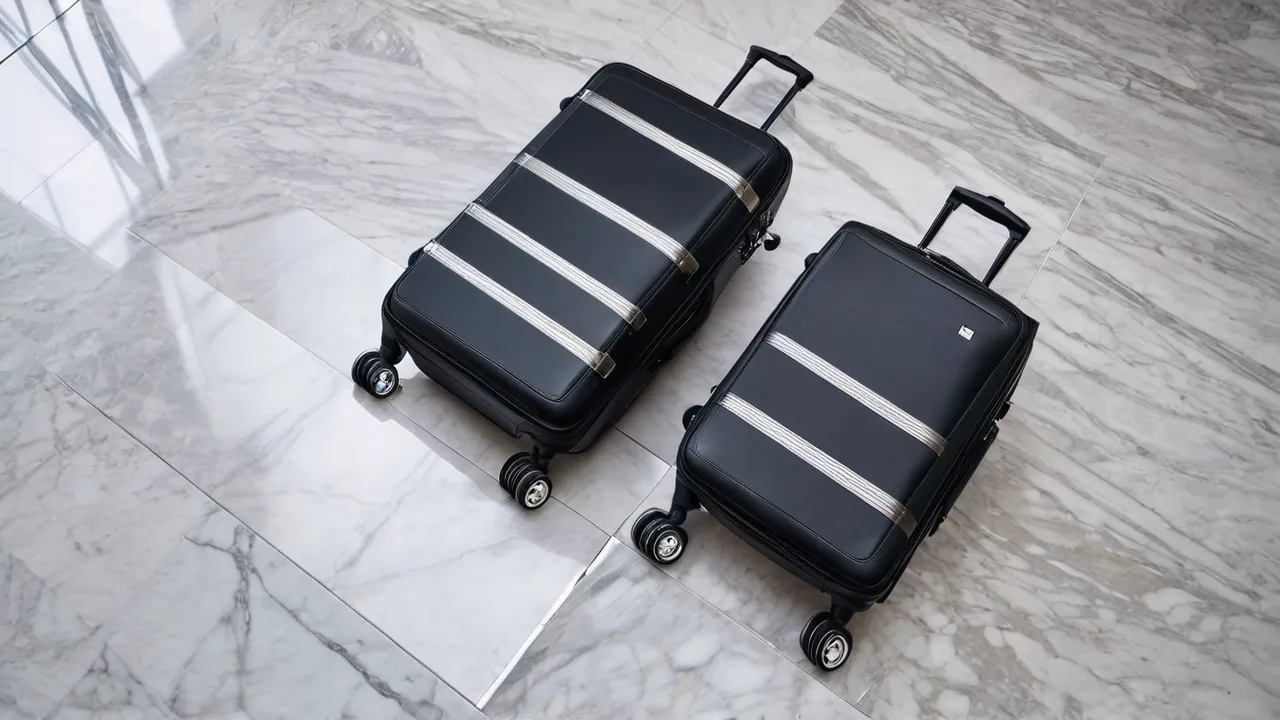
A luggage wheels guide should start with what you can do in a store or from a product page: lift the bag, spin each wheel, rock the housing, roll it across the floor and read the parts policy. These checks take a minute and tell you more than the number of wheels. They also show whether replacements exist, which decides how long the bag will serve you.
Start With the Two Wheel Families
Suitcases use two broad wheel systems. Inline wheels, also called skate wheels, are fixed in a line and carry the bag tilted behind you. They have a firm feel, roll well over rough ground and are less likely to roll away on a train. Spinner wheels pivot, which allows you to push or pull the bag in any direction. They suit smooth floors but shift unexpectedly on slopes and moving walkways.
Neither family is superior. Inline wheels suit cobblestones, curbs and long-haul trips on rough surfaces, while spinners suit airports and hotels. Choose the system that suits your routes first, then judge quality within that family. Our best travel luggage set roundup shows typical wheel formats on current sets.
Wheel Materials and Tread
Wheels come in hard plastic, softer rubberized compounds and polyurethane. Hard plastic is cheap and loud, and it can flat-spot or crack on rough surfaces. Rubberized or polyurethane treads are quieter and absorb small bumps, but they cost more and can wear down unevenly on abrasive pavement.
Look at the wheel diameter. A bigger wheel crosses gaps more easily. Look at the width, too: a wider tread spreads load and resists sinking into carpet. Examine the tread for a smooth, even surface, free from molding seams that could cause bumps. If a product photo shows a seam running around the circumference, that suggests a simple one-piece molded wheel.
Shop Floor Checks You Can Do in a Minute
- Lift the bag by the top handle and let a wheel dangle. Spin it. It should turn freely and keep spinning for a moment.
- Grip a spinner housing and wiggle it. A little movement is normal, but clunking or visible play signals a loose joint.
- Roll the bag forward, backward and sideways on the shop floor. It should track straight with no wobble.
- Push down on the bag corner and watch the housing. It should not flex away from the shell.
- Push the bag with a few books inside, if the store allows. Weight reveals problems that an empty bag hides.
- Listen for squeaks, grinding or rattles.
If you shop online, replace these checks with close-up photos, video reviews and any exploded-view diagram the brand supplies.
Read the Mounting, Not Just the Wheel
How a wheel attaches to the bag decides what happens when it fails. Look for these types:
- Bolted housings: screws or bolts pass through the shell and into a plate on the inside. These can be unscrewed and replaced.
- Riveted housings: rivets fix the unit in place, so repair requires drilling or a shop.
- Molded-in wheel wells: the wheel mounts into a recess in the shell. They look sleek but are hard to repair.
- Wheel hoods: a protective cover that keeps debris out, and on some bags, hides the screws.
A bag with a wheel unit that bolts on gives you repair options. A bag with riveted or molded units leaves you dependent on the manufacturer.
Confirming Replacement Wheels Exist
This step turns a bag from disposable to repairable. Do these checks before you buy:
- Search the brand’s website for a parts or repair page.
- Read the warranty text to see if wheels are listed as covered, and for how long.
- Look for contact details for the repair department.
- Ask customer service whether replacement wheels for the exact model are sold, and note the answer.
- Check whether third-party wheel kits fit the bag. Universal kits exist, but fitment depends on housing spacing and hole pattern.
Our luggage sets category lists sets where you can compare what each brand says about repair, and the how we review page explains how we treat those claims.
Questions to ask a salesperson
In a store, ask whether the wheels are replaceable and where parts come from. A knowledgeable seller can often tell you whether the brand’s service center handles wheel swaps and how long it takes. Ask whether any wheel types have been changed on the model since it was launched, since a bag redesign can mean older parts no longer fit. If the answer is vague, treat that as information: a brand that supports repair usually says so plainly.
What a worn wheel looks like
Learn the early signs so you can act before failure. A flat spot on the tread makes a rhythmic thump as you roll. A wheel that leans sideways has a worn axle or a bent housing. A squeak that persists after cleaning points to a dry bearing. A grating sound usually means debris, such as hair or thread, wrapped around the axle. Cleaning and lubricating fix some of these problems, while others require replacement.
Matching Wheels to Your Routes
If you walk across cobbled streets, favor larger, wider wheels with a soft tread. If you mostly roll along smooth terminal floors, small spinners work fine. If you take trains with narrow aisles, a bag with inline wheels is easier to steer. If you climb stairs often, pick a lighter bag and a sturdy top handle. If you check bags and rely on baggage handlers, look for a recessed wheel that is shielded by the shell, since exposed wheels take hits.
Weight, load and wheel stress
Wheel stress rises with the weight you carry and with how you handle the bag. A heavy suitcase rolled hard over curbs puts shock loads into the housing and axle that a light bag never sees. If you often pack near the airline weight limit, treat wheel construction as a higher priority, because the same wheel that lasts for years on a light carry-on may wear quickly under a full checked bag. Lift the bag over curbs and stairs instead of dragging it down, and avoid kicking or yanking it, since sudden sideways force bends axles and cracks plastic housings.
Another factor is the way a bag is stored in a car trunk or hold. Wheels that protrude can take a hit when stacked bags shift. A recessed layout, where the wheel sits partly inside the shell corner, limits that exposure at the cost of a little interior volume. If you handle your own luggage and rarely check it, this matters less.
Who Should Choose Which
Choose spinners if you move mostly on smooth floors and want easy maneuvering. Choose inline wheels if you want durability on rough ground and tracking stability. Choose a bag with bolted wheels and a stated parts policy if you plan to keep it for years. Skip bags whose pages never mention wheel materials or repair options, no matter how attractive the shell looks.
How to judge each criterion
Score a bag on five points before you buy. Roll: does each wheel spin freely and keep turning for a moment, with no grinding? Hold: does the housing stay firm when you rock it? Mount: are the wheels bolted, riveted or molded in? Material: is the tread rubberized or polyurethane rather than hard plastic, and does the page say so? Support: does the brand name wheels in its warranty and sell parts? A bag that earns a yes on four or five is a safer long-term choice. A bag with a good shell and a no on mount and support is a bag with a built-in expiry date.
Verdict by buyer type: a frequent flyer who walks long terminal distances should put mount and support first, since the wheels will wear first; a casual traveler can accept ordinary wheels if the housing is firm; a city dweller who rolls over rough pavement should put diameter and tread material first.
Also decide how much repair you are willing to do yourself. Wheel replacement on a bolted housing usually needs a screwdriver or a small wrench and a matching part, and a careful owner can finish it in under an hour. A riveted housing calls for a repair shop. If you are not comfortable with tools, favor a brand with a service network, and read the repair terms before you rely on them.
Frequently Asked Questions
Are spinner wheels or two wheels better for luggage?
Spinners glide beside you on smooth floors and are easy to steer, while two inline wheels roll well over rough ground and stay put on slopes. Choose by the surfaces you cross most, then judge construction quality inside that wheel family.
What are the best luggage wheel materials?
Rubberized or polyurethane treads are quieter and absorb bumps better than hard plastic, which is loud and can flat-spot. Also look at wheel diameter and width, since larger and wider wheels cross gaps and carpet more easily. Check the product page for the stated material.
Can you replace luggage wheels?
Often, when the wheel housing is bolted to the shell. Riveted or molded-in units are harder and may need a repair shop or the manufacturer. Before buying, check the brand’s parts page and warranty to see whether wheels are covered and replacement parts are sold.
Final Thoughts
Wheels fail first, so judge them first. Spin, wiggle and roll the bag, check how the housing mounts and confirm that replacements exist. A suitcase with ordinary wheels that can be replaced will often outlast a stylish one with wheels that cannot.
Related buying guides
- How to Clean a Suitcase Inside and Out
- How to Repair Luggage: Wheels, Zippers, and Handles
- How to Replace Suitcase Wheels Step by Step
About the author

The BuyOnceChoice Editorial Team researches durable products worth buying once. Our guides compare published specifications, warranty terms, expert review consensus, and verified owner feedback. We do not conduct our own product trials. See How We Review and our Editorial Policy for our standards.