Double vs Single Spinner Wheels: What Actually Matters
Wheel count alone does not predict durability. Learn the four checks, from bearing to housing, that separate wheels that last from wheels that wobble.
 By BuyOnceChoice Editorial Team
Updated November 16, 2026
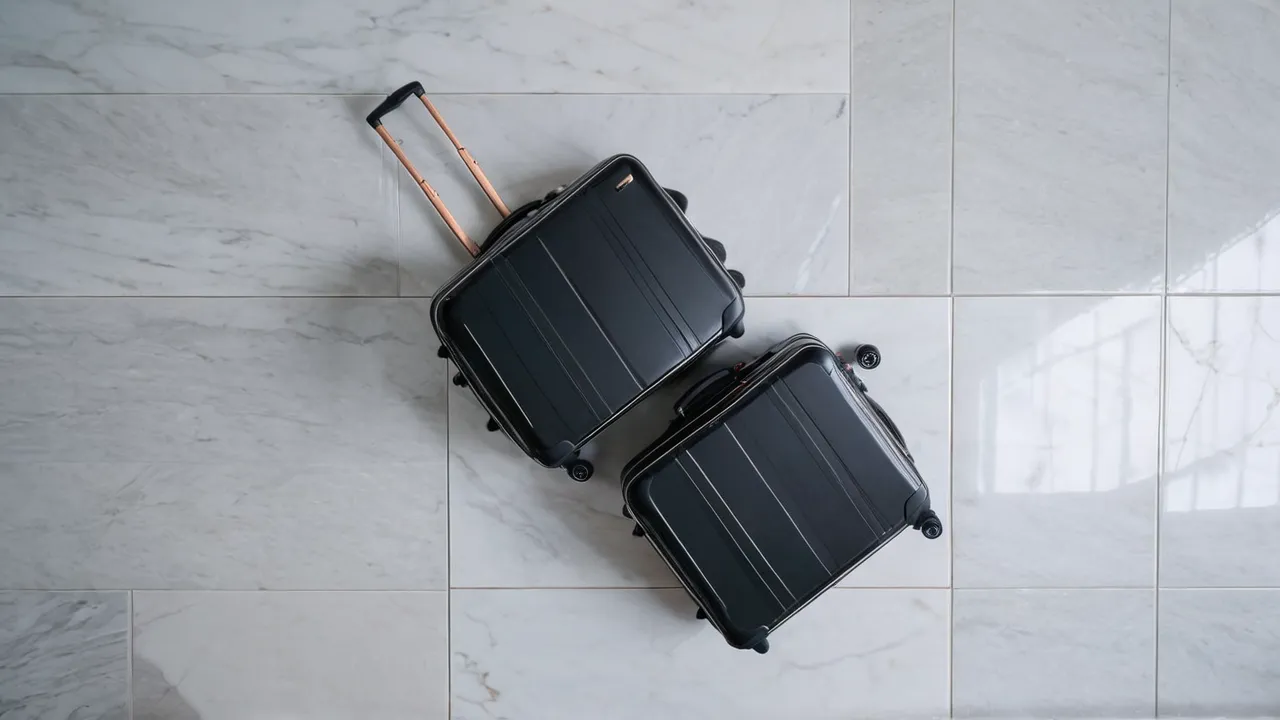
Double spinner wheels are not automatically better than single spinner wheels. Twin wheels spread the load and ride smoother on rough pavement, while single wheels are lighter and pivot quickly, so the right choice depends on the bearing, axle, housing and replaceability far more than on the wheel count.
What Spinner Wheels Actually Do
A spinner wheel sits in a swivel housing that rotates a full 360 degrees, which lets a suitcase glide beside you or in front of you instead of tilting back on two in-line wheels. That freedom of movement is also where wear concentrates. The swivel joint, the axle and the wheel tread all take hits from curbs, escalator edges and the bounce of a full bag.
Each corner of the suitcase carries a share of the load. When you tilt the bag back onto two wheels, those two carry everything, plus the shock of every crack in the sidewalk. A wheel design that looks fine on an empty bag in a showroom may flex when that same bag holds a full week of clothes.
Because the wheels are the part of a suitcase that touches the ground every minute of every trip, they are also the part most owners end up complaining about. The shell rarely cracks; the wheels wobble, drag or snap. That is why this comparison deserves more attention than the usual “two is better than one” shortcut.
Double vs Single: The Real Trade-Offs
Double wheels, sometimes called dual spinners, put two small wheels side by side on one housing. Single wheels use one larger wheel per corner. Neither format is a quality guarantee. Here is how they tend to behave:
| Factor | Double wheels | Single wheels |
|---|---|---|
| Load spread | Weight shared across two treads | Weight carried by one tread |
| Rough pavement | Usually smoother, less chatter | Larger diameter rolls over cracks well |
| Turning in tight spaces | Can scrub slightly when pivoting | Pivots cleanly |
| Weight and bulk | More parts, a bit heavier | Fewer parts, lighter |
| Failure pattern | One wheel in the pair may crack or flat-spot | Whole wheel affected |
| Hard flooring noise | Often quieter with soft tread | Depends on tread material |
Single wheels with a large diameter can beat small double wheels on cobblestones because a bigger circle bridges gaps. Double wheels tend to win when the bag is heavy and the floors are smooth, such as in airport terminals and hotel lobbies.
Verdict by buyer type: a heavy packer who rolls over smooth floors is usually better served by twin wheels; a light packer who weaves through crowds and wants a low empty weight is usually better served by single wheels; a traveler who faces cobbles every day should look at wheel diameter first and wheel count second.
The Four Checks
Check 1: The Bearing
Many budget suitcases use plain plastic wheels that spin on a bare axle. Better bags use a sealed bearing inside the wheel. A bearing reduces friction, so the bag rolls with less push, and it keeps grit away from the axle.
At home, lift a corner of the bag and spin a wheel by hand. It should turn freely for a moment and then slow gradually, with no scraping sound. A wheel that stops almost at once or grinds is likely dragging on a dry axle. Read the product page for the words sealed bearing, and treat the absence of any mention as a signal to ask or look elsewhere.
Check 2: The Axle and Fasteners
The axle is the small rod the wheel spins on. Metal axles hold their shape under load. A thin plastic pin can bend or snap if the bag is overloaded or dropped from the car trunk.
Look for how the axle is retained. A bolt with a locking nut or a rivet is more convincing than a push-in plastic plug. If a listing shows close photos of the wheel assembly, zoom in. If the housing is held to the shell with only small screws into thin plastic, the corner will be the first place to loosen.
Check 3: The Housing and Swivel
The housing is the bracket that holds the wheel and attaches to the suitcase. It carries side loads whenever you turn sharply or the bag tips. Look for these signs of a solid housing:
- A metal or thick, reinforced plastic bracket rather than thin molded plastic.
- A swivel joint that does not wobble when you wiggle it by hand.
- A recessed or protected mount, so the housing sits inside the corner of the shell and is less likely to catch a curb.
- Visible reinforcement where the housing meets the shell, such as a plate or extra thickness.
Wobble in the swivel joint is the most common early complaint owners describe. It starts small and grows, because play in the joint magnifies every bump. Hold the bag by its top handle, rock it gently side to side on its wheels, and watch whether the housings shift against the shell. Movement you can see in a store will become movement you feel on a curb. Also check that each wheel turns in line with its neighbors when you roll the bag forward; a wheel set at a slight angle scrubs the tread and wears flat spots.
Check 4: Can the Wheels Be Replaced?
This is the check most buyers skip, and it matters most for a bag you plan to keep. Wheels wear out before shells do, and the cost of a bag over ten years is often set by how cheaply a worn wheel can be swapped. If the wheel assembly is riveted straight into the shell, a repair shop may only be able to patch it. If the wheel is bolted on as a unit, a replacement can be a simple swap.
Before buying, look for three things: a manufacturer statement that replacement wheels or repair parts are available, a warranty that mentions wheels by name, and a stated process for ordering parts. Our luggage warranty guidance covers the questions to ask. If you ever need to swap a wheel yourself, the first step is identifying how it attaches, which depends on the housing design you picked here.
Matching Wheels to How You Travel
Wheel choice should follow your routes, not a spec sheet.
Mostly smooth floors
Airports, modern hotels and rolling a bag through a parking garage favor either design. Pick the one with the better bearing and housing. Twin wheels add a modest comfort edge when the bag is heavy.
Cobblestones, gravel and old-town streets
Larger single wheels, or double wheels with a generous diameter, handle uneven surfaces better. If most of your trips involve rough ground, consider a backpack or a hybrid instead. Our backpack category covers carry options that skip wheels entirely.
Frequent flyers with tight schedules
Spinner agility helps when you weave through crowds. If you check bags often, a bag with replaceable wheels beats one with prettier design.
Heavy loads and weight limits
Consider a bag packed near an airline’s checked allowance. Spread over four corners, each wheel carries a quarter of the weight while the bag stands, but when you tilt it and roll on two wheels, each of those two carries half. Twin wheels cut the load per tread in that moment, which is why heavy packers often prefer them. If you pack light, the difference shrinks and the wheel’s bearing quality matters more than its count.
What owners tend to regret
Common regrets are wheels that began to wobble within a season, a plastic axle that snapped after a curb drop, and a bag whose wheels could not be replaced at all. Each of these maps back to one of the four checks, so run them before you buy rather than after the first trip.
Who Should Choose Which
Choose double spinner wheels if you pack heavy, travel mostly on smooth surfaces, and want the quieter, steadier glide. Choose single spinner wheels if you want lighter weight, quick pivoting and a larger diameter for rough ground. Skip any bag, regardless of wheel count, that gives no sign of a bearing, a metal or reinforced axle, a firm housing and a path to replacement. When comparing complete sets, see how we weigh construction details on our how we review page, and browse complete sets with these four checks in mind.
Frequently Asked Questions
Are double spinner wheels more durable than single wheels?
Not by default. Two wheels share the load, which helps, but durability depends on the bearing, axle and housing. A well-built single wheel in a firm metal or reinforced housing can outlast cheap twin wheels on a flimsy bracket. Compare construction details on the product page before you count wheels.
Do single spinner wheels roll better on carpet and cobblestones?
Usually larger single wheels roll over carpet seams and cobblestone gaps with less resistance, because a bigger diameter bridges small gaps. Small twin wheels can chatter on the same surface. If you often cross rough ground, compare the stated wheel diameter and tread material rather than the wheel count alone.
Can I replace spinner wheels if one breaks?
Sometimes. If the wheel assembly is bolted to the shell, a repair shop or the manufacturer may supply a replacement. If it is riveted in, repair is harder. Check the product page and warranty for replacement parts before buying, and read the manual for the attachment method.
Final Thoughts
Do not buy wheels by counting them. Spin each wheel, wiggle the swivel, inspect how the axle is held and confirm that parts exist. Twin wheels earn their place on heavy bags and smooth floors, and single wheels earn theirs on light bags and rough streets. A bag that passes all four checks will usually outlast one that simply advertises more wheels.
Related buying guides
- Empty Suitcase Weight: Why It Eats Your Baggage Allowance
- Expandable vs Non-Expandable Suitcases: Trade-Offs
- How to Fix a Stuck or Split Luggage Zipper
About the author

The BuyOnceChoice Editorial Team researches durable products worth buying once. Our guides compare published specifications, warranty terms, expert review consensus, and verified owner feedback. We do not conduct our own product trials. See How We Review and our Editorial Policy for our standards.