How to Fix a Stuck or Split Luggage Zipper
Most stuck zippers are a fabric snag or a worn slider. Follow this order of fixes from gentlest to most invasive and learn when to stop and see a shop.
 By BuyOnceChoice Editorial Team
Updated November 16, 2026
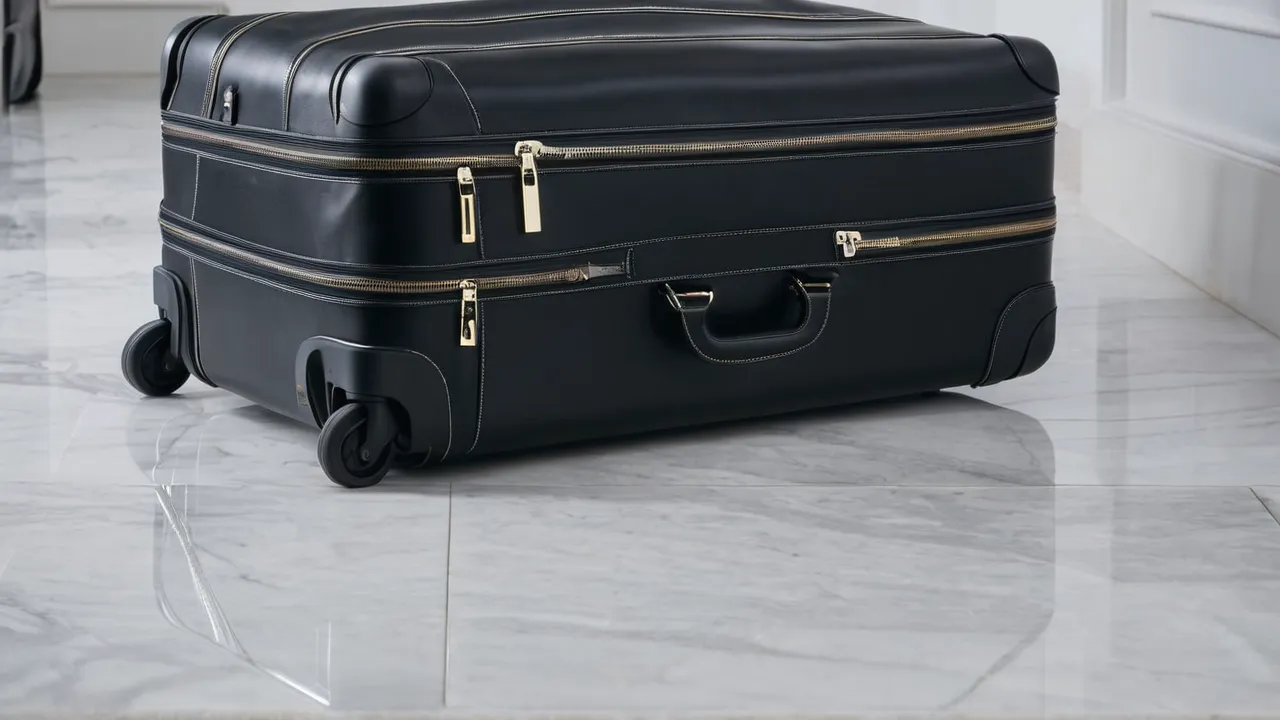
To fix a luggage zipper that is stuck or splitting, work from the gentlest fix to the most invasive. Free any fabric caught in the slider, clean and lubricate the track, realign the teeth, and only then adjust the slider. If teeth are missing or the tape is torn, stop and take the bag to a repair shop.
Diagnose Before You Pull
A stuck zipper can fail in several ways, and the right fix depends on which one you have. Before tugging harder, stop and look at the zipper closely, ideally in good light.
Ask yourself what the zipper is doing. Does the slider refuse to move at all, or does it move but leave a gap behind it? Is there fabric from the lining, a thread or a loose strap near the slider? Are the teeth bent, missing or dirty? Forcing a stuck slider is the most common way an easy problem becomes an expensive one, because pulling hard bends the slider and cracks teeth.
Common causes include a snag, grit in the track, an overstuffed bag that pulls the two sides apart, and a worn slider. Each has a different remedy, so it is worth thirty seconds of observation.
The Repair Sequence
Step One: Free a Snag
If fabric is caught, move the slider backward slightly rather than pulling forward. Use a pair of tweezers or the tip of a pin to work the fabric out of the slider channel. Pull the fabric straight away from the track, not sideways. If a thread has wrapped around the slider, snip it with small scissors rather than yanking it.
A snag deeper inside the bag is harder to see. Open the suitcase fully, turn the lining inside out near the slider and look for a loop of thread or a pinched seam allowance. Many stuck zippers are held by something on the inside that you cannot see from the outside. Releasing it takes a few seconds once you find it, and doing it before cleaning saves effort.
Take the pressure off. Lay the bag flat and push the two sides of the zipper toward each other so the teeth are not under tension. A zipper that jams when the bag is bulging may glide when the bag is flat.
Step Two: Clean and Lubricate
Grit and lint lock up even good zippers. Brush the track with a dry toothbrush to pull debris out of the teeth. If grime is visible, wipe the track with a cloth dampened with water and a little mild soap, then dry it.
For lubrication, use a product made for zippers, a bar of soap, a candle or the tip of a pencil. Rub it lightly along both sides of the teeth, then work the slider back and forth. Avoid oils that attract dust. A little lubricant goes a long way, and excess can stain fabric.
Step Three: Realign a Split Track
If the zipper has opened behind the slider, close the zipper completely, then move the slider back through the gap very slowly while holding the two sides together with your other hand. Coil zippers often reseat this way. For tooth-style zippers, look for a bent tooth and nudge it straight with pliers wrapped in cloth.
Once the track is lined up, work the slider the full length of the zipper several times. If the gap returns every time, the slider is probably worn, which is the next step. Our guide to coil and chain zipper design explains why different types fail differently.
Step Four: Adjust a Worn Slider
A slider that no longer grips the teeth causes the zipper to open by itself. Many owners fix this by squeezing the slider channel slightly with small pliers. Place the slider with its pull on the bottom, squeeze the back part gently, and then try the zipper. Make several small squeezes rather than one large one, since too much force makes the slider bind or breaks it.
Protect the fabric by working over a towel. If a pull tab has broken off, a small key ring or a paper clip can stand in until a replacement slider arrives. Replacement sliders must match the zipper size number printed on the back of the old slider, so note that before ordering.
Fixes that do not work
Some popular remedies cause more harm than they cure.
- Pulling the zipper hard: it bends the slider and cracks teeth.
- Heavy oil or grease: it attracts dirt and stains fabric.
- Cutting the fabric around a snag: it opens the seam.
Reading the Zipper Type You Own
Before you buy a replacement slider or ask a shop for a quote, note whether your zipper has a continuous coil or separate molded teeth, and read the size number stamped on the back of the slider, commonly 5, 8 or 10. Photograph both. A shop can often match from a photo, and you avoid buying a slider that is one size off, which will not close properly.
When to Stop and Use a Repair Shop
Take the bag to a luggage repair shop when teeth are missing, the zipper tape is torn, the track is bent along a curve or the zipper has separated at the end stop. These repairs need new tracks, sewing or specialized tools. Ask what the repair covers, the turnaround and whether the shop works on the brand. Check whether your bag’s warranty covers zippers before paying, and see our luggage warranty checklist for the questions to ask. Ask about timing too, since a shop may need several days, which matters before a trip. A repair is usually worth it when the rest of the bag is solid.
Prevention Habits
Pack to the bag’s real capacity, and zip with one hand holding the sides together. Keep the track clean after beach or dusty trips. Avoid pulling the bag by the zipper pull, and shut zippers fully before lifting. Browse our softside luggage roundup to see zipper features worth looking for, and read how we judge construction on the how we review page.
Travel habits matter too. Before a flight, zip the main compartment while the bag stands upright, so the contents settle and do not push against the track. If the bag feels too tight to close with one hand, remove an item. A zipper you have to fight at the curb is a zipper that will split at the baggage belt. Stash a small zipper repair kit in your carry-on, with a spare key ring, a few safety pins and a lubricating stick, so a mid-trip failure does not leave you with a bag that will not shut. The luggage section of our site has more care guides.
Finally, keep the pull tab in good shape. A pull that is bent or worn forces you to grip the slider body, which twists it. Replace worn pulls with a sturdy cord loop or a metal ring before they snap, and avoid hanging heavy tags from the pull, since the weight drags the slider sideways as you roll the bag.
Which Problems You Can Fix at Home
A quick sort saves time and money. Use the table to decide before you start working on the bag.
| Symptom | Likely cause | Home fix or shop |
|---|---|---|
| Slider will not move, fabric visible nearby | Snag in the slider channel | Home: back the slider up and free the fabric |
| Slider drags and feels gritty | Dirt or lint in the teeth | Home: brush, wipe, lubricate |
| Zipper opens behind the slider | Worn or loose slider, or overpacked bag | Home: gentle pinch on the slider; shop if it keeps opening |
| One or two teeth bent | Impact or forced slider | Home if minor; shop if teeth are missing |
| Missing teeth, torn tape or split at the end stop | Structural damage | Shop: needs a new track or sewing |
Treat the table as a guide, not a promise. If a home fix makes the problem worse after two attempts, stop. Each extra attempt on a bent track makes a shop repair harder.
Care Intervals
A zipper lasts longer with a simple schedule. Check the track before each trip by running the slider the full length once while the bag is empty; if it catches, fix it at home rather than at the airport. After beach, camping or dusty trips, brush the teeth and wipe the track before storing the bag. Apply a light zipper lubricant when the slider begins to feel stiff, which for many owners works out to once or twice a year, though the right interval depends on how often you travel. Before long storage, close the zippers fully so the track keeps its shape.
Frequently Asked Questions
Why does my suitcase zipper keep coming open behind the slider?
Usually the slider is worn or the bag is overpacked, which pulls the two sides of the track apart. Remove some contents, then try squeezing the slider channel gently with pliers in small steps. If the zipper still opens, a replacement slider or a shop repair is the next step.
Can I fix a luggage zipper with soap or a pencil?
Yes, for a dry or gritty zipper. Brush out dirt first, then rub a bar of soap or a pencil tip lightly along the teeth and work the slider back and forth. This helps friction problems, but it will not fix bent teeth, torn tape or a worn slider.
What size slider do I need to replace a luggage zipper?
Look for the number stamped on the back of the slider, which gives the zipper size. Match that number and the zipper type, coil or molded teeth, when you order. If you cannot read it, photograph the zipper and ask a repair shop to match it.
Final Thoughts
Most stuck zippers recover when you stop pulling and work through the sequence: free the snag, clean, lubricate, realign, adjust the slider. Know your limit, since missing teeth and torn tape need a professional. A few minutes of patience beats an emergency bag replacement at the airport.
Related buying guides
- Soft Luggage vs Hard Luggage for Fragile Items
- Hardside vs Softside Luggage: Which Lasts Longer
- How Long Does Luggage Last? Lifespan by Type
About the author

The BuyOnceChoice Editorial Team researches durable products worth buying once. Our guides compare published specifications, warranty terms, expert review consensus, and verified owner feedback. We do not conduct our own product trials. See How We Review and our Editorial Policy for our standards.