Cordless Drill Buying Guide: Chuck, Torque and Clutch
Learn what the chuck, clutch and torque rating really do on a cordless drill, and which marketing specs you can skip when choosing one for home use.
 By BuyOnceChoice Editorial Team
Updated November 16, 2026
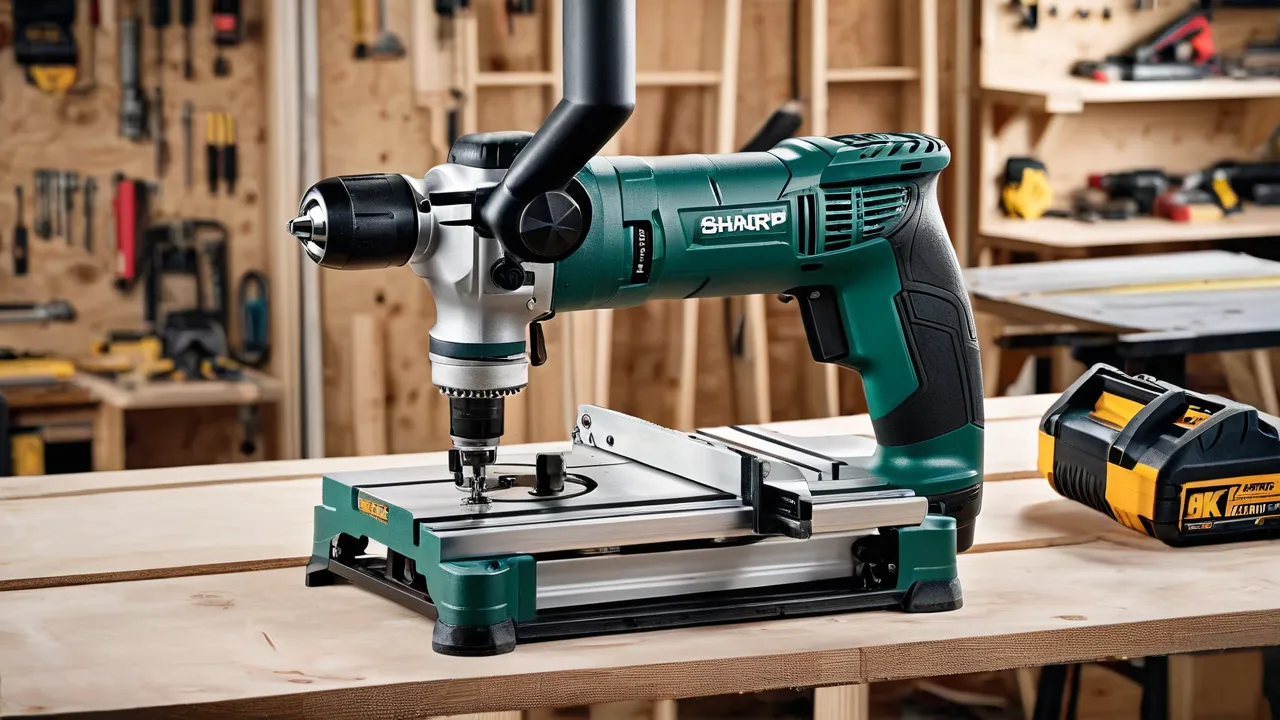
A good cordless drill buying guide starts with the parts that affect daily use: a clutch with many settings, a metal chuck of a useful size, a comfortable grip, a battery platform you can build on, and a motor type suited to your workload. Voltage and torque numbers matter less than most boxes suggest, and the clutch setting matters more than most owners realize.
The clutch is the feature you will use most
The clutch ring behind the chuck has numbered settings. At a low number the drill stops turning at low torque, which suits small screws. At a higher number it delivers more torque before the clutch slips. A drill setting, often marked with a drill icon, bypasses the clutch for drilling holes. Many buyers leave the ring on the drill setting for everything and strip screws as a result.
A practical method: start at a low number, drive a trial screw into scrap, and raise the setting until the screw sits flush without the clutch slipping too early. Different woods and screws need different settings, so adjust as you go. The clutch protects both the screw head and the material.
The clutch also prevents overdriving in soft materials such as pine or drywall. In drywall, a low setting lets the screw seat just below the paper without breaking it. In hardwood, a higher setting and a pilot hole give a clean result. If the clutch ratchets before the screw is fully seated, raise the number one step, and if screw heads sink too deep, lower it. The adjustment takes seconds and makes a visible difference to the finish.
Chuck size and quality
Most home drills have a three eighths inch or a half inch chuck. The size tells you the largest bit shank it can grip. Half inch chucks suit larger bits and heavier drills, and three eighths inch is common on compact models. A keyless chuck tightens by hand, and a metal chuck usually holds better than a plastic one over time. A ratcheting chuck clicks as it tightens, which gives a firm grip on the bit.
Check the chuck by closing it on a bit and watching it spin. Excess wobble means poor alignment, which shows up as holes that wander. Chucks are wear items, but a good one lasts a long time with decent bits.
Bits matter as much as the drill. A good drill with dull bits drills slowly and heats. Buy bits suited to the material: brad point bits for clean holes in wood, twist bits for metal and masonry bits for brick. Store them in an index so you can find the right size. A decent set of sharp bits improves results more than a more expensive drill.
Torque numbers and voltage
Torque is listed in inch-pounds or newton meters and is often the headline number. Torque depends on the motor, gearing and battery, not just voltage. A higher-voltage platform does not guarantee more torque, and two drills with the same voltage can differ widely. Compare maximum torque only within the same maker’s range, and treat the numbers as a rough guide.
Brushless motors are more efficient and often run cooler and longer per charge, which helps with frequent use. Brushed motors are cheaper and fine for occasional use. Neither choice is wrong, but heavy daily users gain more from brushless.
Understand the two-speed gearbox too. The low range gives higher torque at lower speed, which suits driving screws and using large bits. The high range gives higher speed for drilling small holes. A switch on top of the drill changes it, and you should stop the motor before shifting. Many people never use the low range, then wonder why the drill stalls on long screws. Learning that switch is free and improves control.
Specs you can usually ignore
- Maximum no-load speed, since you rarely run at top speed in real work.
- Peak torque claims without a stated condition.
- The number of LED lights, as long as you have one.
- Extra bundled accessories of unknown quality.
- Very high voltage labels, which do not map to better results by themselves.
Instead, look at the clutch range, chuck quality, weight, balance, battery platform and warranty terms in the manual. Those decide how the drill feels and lasts.
Battery platform and capacity
Choose a platform with a wide range of tools you might want later, since batteries and chargers can be shared. A higher amp hour pack runs longer but weighs more. Two compact packs and a fast charger are often more convenient than one large pack. See our power tools coverage for the platform angle.
Check the charger as well. A fast charger refills a pack in less time but may run warm, while a slow one is gentler. Packs have a built-in management circuit that guards against deep discharge and overheating, so keep the charger vents clear and store packs at room temperature. Do not leave a pack in a hot vehicle. Heat is the main enemy of lithium-ion cells.
Fit and feel
Hold the drill if you can. A balanced tool with a grip that fits your hand reduces fatigue. A belt hook helps on ladders, and a compact body helps in cabinets. Weight with the battery matters more than weight without.
Consider how you will use the drill. A compact drill suits cabinets, shelves and household repairs, while a full-size model suits larger holes and longer sessions. If you work above shoulder height or in tight spaces, a compact tool spares your arms. If you drill large holes in studs, a half inch chuck and a higher-torque motor are worth their extra weight. Pick for your typical job, not the occasional extreme case. If you also want tools that need no battery, our hand tools category covers manual alternatives.
Quick buying checklist
- Clutch with many settings plus a drill mode.
- Metal keyless chuck, three eighths or half inch to match your bits.
- Two-speed gearbox with a clear switch.
- Comfortable weight and balance with a battery fitted.
- Battery platform with tools you may add later, and a second pack.
- Warranty terms and available replacement parts, read in the manual.
Safety
Use only the maker’s charger and battery, and do not charge a damaged pack. Wear eye protection, clamp the work and keep hands away from the bit. Remove the battery when changing bits on a tool you might bump. Do not use a drill for tasks it is not built for, such as mixing heavy material for long periods. Follow the manual. How we review explains how we weigh specs and ownership factors.
Three buyer profiles
A first-time homeowner who hangs shelves and assembles furniture wants a compact drill with a clutch that has many settings, a three eighths inch chuck and two small batteries. A weekend builder who frames small projects and drives long screws wants a full-size drill with a half inch metal chuck, a two-speed gearbox and one larger battery. A frequent user who drills all day wants a brushless drill, a metal chuck, a comfortable grip and a spare battery, with attention to the warranty and parts. Write down which profile fits you, then compare drills against that profile rather than against a headline torque number.
Common mistakes with a new drill
- Leaving the clutch on the drill setting and stripping screws.
- Driving long screws in high speed and stalling the motor instead of switching to low range.
- Using dull bits and blaming the drill.
- Skipping pilot holes in hardwood, which splits the wood.
- Charging a hot battery straight after heavy use instead of letting it cool.
- Storing batteries in a hot vehicle or on the charger for months.
Fixing these habits improves results more than changing the tool, and it extends battery life.
Frequently Asked Questions
What does the clutch on a cordless drill do?
It limits the torque sent to the bit, slipping with a click when the set level is reached. Low numbers suit small screws and soft material, and higher numbers suit large screws. The drill setting bypasses the clutch for drilling holes.
Is a half inch chuck better than a three eighths inch chuck?
A half inch chuck accepts larger bit shanks and usually comes on heavier, more powerful drills. A three eighths inch chuck suits compact drills and most household bits. Pick by the largest bit you will use and how much weight you want to carry.
Does higher voltage mean a stronger drill?
Not by itself. Torque depends on the motor, gearing and battery as well as voltage. Compare torque within a maker’s lineup and consider the clutch, chuck and battery platform. Voltage labels also vary in how brands state them.
How many amp hours do I need for a cordless drill?
A compact pack is enough for most drilling and driving, and a second pack helps on long jobs. Larger packs run longer but add weight. Choose by how long you work between charges and how heavy a drill you can handle.
Final Thoughts
Choose a drill with a good clutch, a solid chuck, comfortable balance and a battery platform you will keep. Learn the clutch settings, ignore the biggest headline numbers and let your jobs decide the rest. If you need more punch for fasteners, see how an impact driver differs, and compare specs the way we describe in our review approach.
Related buying guides
- Drill vs Impact Driver: Which One Do You Need First
- How Long Do Cordless Tool Batteries Last? Care Guide
- How to Choose a Circular Saw: Blade Size, Motor, Guard
About the author

The BuyOnceChoice Editorial Team researches durable products worth buying once. Our guides compare published specifications, warranty terms, expert review consensus, and verified owner feedback. We do not conduct our own product trials. See How We Review and our Editorial Policy for our standards.