Impact Driver vs Hammer Drill vs Drill Driver
Each tool applies force differently. See which one fits wood, masonry, deck screws and stuck bolts, and which a typical homeowner can safely skip.
 By BuyOnceChoice Editorial Team
Updated November 16, 2026
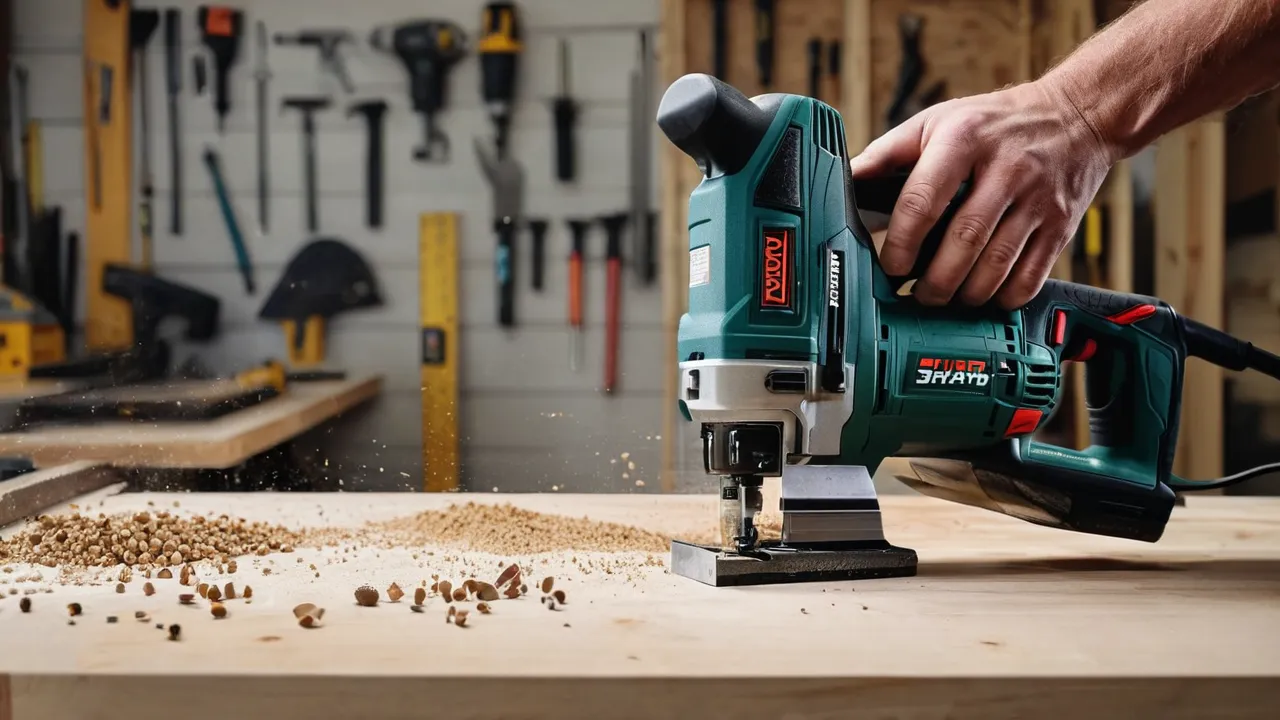
Impact driver vs hammer drill vs drill driver comes down to what you drive or drill. A drill driver is the all-round tool for holes and screws in wood, metal and plastic. An impact driver adds rotational impacts for long screws and stubborn fasteners. A hammer drill adds a forward hammering action for drilling holes in brick, block and concrete. Most homeowners start with a drill driver, add an impact driver for fastening, and use a hammer drill only if they drill masonry.
How each tool applies force
A drill driver turns a bit with steady rotation. A clutch ring limits the torque so a screw stops before the head strips, and a two-speed gearbox trades speed for torque. It holds round or hex bits in a chuck.
An impact driver has a quarter inch hex collet and uses an internal hammer and anvil. When resistance rises, it delivers rapid rotational impacts that increase peak torque without twisting your wrist much. It is compact, loud and usually has no clutch.
A hammer drill is a drill with a hammering mode. In that mode, the chuck moves forward and back quickly as the bit rotates, which chips masonry as the carbide tip turns. In normal drilling mode, it behaves like a drill driver. Many drill drivers offer a hammer setting, and the hammer action is much lighter than a dedicated rotary hammer.
The three-way matrix
- Holes in wood: drill driver is best, hammer drill in drill mode works, impact driver is possible with hex bits but rough.
- Holes in metal: drill driver is best, hammer drill in drill mode works, impact driver is not suited for larger holes.
- Small screws in cabinets and electronics: drill driver with a low clutch setting is best, others can overdrive screws.
- Long deck and construction screws: impact driver is best, drill driver works but strains the wrist, hammer drill is a poor choice.
- Lag screws and structural fasteners: impact driver is best, with a drill for pilot holes.
- Holes in brick, block or concrete: hammer drill with carbide masonry bits is best, a drill driver is slow, an impact driver is not suited.
- Lug nuts: none of the three is the right tool. A half inch impact wrench and a torque wrench are used for wheels, and a small impact driver is not a substitute.
- Mixing paint or mortar: drill driver with a paddle at low speed.
- Removing stuck screws: impact driver, since impacts break the screw loose.
When a drill driver is enough
A drill driver covers holes and small screws in wood, metal and plastic, and it handles many deck screws with a pilot hole. If your projects are furniture, shelves, cabinets and household repairs, one good drill driver does the job. Look for a clutch with many settings, a metal chuck, a two-speed gearbox and a battery platform you can build on. Our power tools category covers platform choices.
If you only drill a few masonry holes a year, such as for a few anchors, a drill driver with a hammer setting is a flexible choice. It will be slow in hard concrete, but it works for occasional light masonry.
When an impact driver earns its place
An impact driver shines when you drive many long screws or work with hard material: decks, fences, framing, lag screws and stuck fasteners. It drives faster and tires you less, and it holds the bit in the screw better, which reduces cam out. Because it is short, it fits in tight spaces. Pair it with impact-rated bits, since standard bits can break. For small screws and delicate work, an impact driver can overdrive and strip heads, so keep a drill driver for those.
Remember the bit shank. An impact driver takes hex-shank bits, and round-shank drill bits do not seat properly. Many drill bits are sold with a hex shank to work in both tools.
When a hammer drill makes sense
A hammer drill is the right tool if you regularly drill into brick, block or concrete: mounting anchors, running conduit or setting fasteners into a foundation wall. Use carbide-tipped masonry bits, and apply steady pressure without leaning on the tool. Hammer drills work best in softer masonry. For frequent or large holes in dense concrete, a rotary hammer, which uses a different mechanism, is much faster, though it is a different tool and costs more.
Switch the hammer mode off for wood and metal. In hammer mode, a standard bit will chatter and wear quickly. Check that the drill’s chuck takes your bit shank, and wear eye protection and a dust mask, since masonry dust is harmful.
Who should skip which
- Skip a hammer drill if you never drill masonry, or drill only a few holes a year. A drill driver with a hammer setting or a hand tool will do.
- Skip an impact driver if your work is mostly drilling and small screws, or if you mainly assemble furniture and cabinets.
- Skip a drill driver as your only tool if you regularly drive long screws, since your wrist will notice.
- Skip a three-tool kit if you will only use two. Buy the tools that match your jobs.
- Skip an impact driver for wheel lug nuts, since a half inch impact wrench and a torque wrench are the right tools.
Combo kits that pair a drill driver and an impact driver on shared batteries are often the best value for homeowners. Check what batteries and charger are included.
Battery, bits and safety
Use the same battery platform for all three tools so you can share packs. Match bits to the tool: impact-rated for the impact driver, carbide-tipped masonry bits for the hammer drill, and quality twist or brad point bits for the drill driver. Replace worn bits, which slip and overheat.
Safety
Use only the maker’s charger and batteries, and do not charge a damaged pack. Wear eye protection and hearing protection, particularly with an impact driver and a hammer drill. Secure the work, keep hands clear of the bit and wear a dust mask when drilling masonry. Check for hidden wiring and pipes before drilling into walls. Follow the manual, and see our hand tools category for manual alternatives, and how we review for how we weigh features.
Using the three tools on one project
Imagine mounting a wooden ledger board on a brick wall for a shelf. You drill pilot holes in the board with the drill driver. You mark the wall and drill the anchor holes with the hammer drill and a carbide masonry bit, using hammer mode and light pressure, clearing dust from the holes. You set the anchors, hold the board and drive the lag screws with the impact driver, finishing with a low-torque drive to avoid overtightening. Then you switch to the drill driver and its clutch for the small screws on the shelf brackets. Each tool does the part it is built for, and the work goes faster and cleaner than with one tool forced to do everything.
Settings and technique worth learning
For the drill driver, learn the clutch rings and the two-speed switch. For the hammer drill, learn to switch off hammer mode for wood and metal, and to back the bit out now and then to clear dust. For the impact driver, learn to feel when a screw is seated, release the trigger and let the impacts stop before the head sinks too deep. If your impact driver has drive modes, use the lower modes for small screws. Start screws by hand to avoid cross-threading, keep the bit in line with the fastener and replace bits as they wear. Pilot holes prevent splitting in hardwood and near board ends, and a countersink gives screw heads a flush finish.
Comparing costs of tools and batteries
The tools themselves cost less than the batteries over time, so buy into a platform. A drill driver and an impact driver kit usually includes two batteries and a charger. A hammer drill is often sold as a single tool or a kit, and many drill drivers include a hammer mode at a modest premium. If your masonry work is rare, spend the difference on a second battery and good bits. If it is regular, buy a dedicated hammer drill and masonry bit set, and consider the dust extraction options. Compare platform tool ranges before committing to one brand.
Frequently Asked Questions
Can an impact driver drill concrete?
Not properly. An impact driver rotates with impacts, but it does not hammer forward as a hammer drill does, and it takes hex-shank bits that are not made for masonry. Use a hammer drill with a carbide masonry bit.
Is a hammer drill the same as an impact driver?
No. A hammer drill pounds the bit forward to break up masonry, while an impact driver delivers rotational impacts to drive fasteners. They look similar but serve different jobs. Hammer drills use chucks and impact drivers use hex collets.
Do I need a hammer drill for concrete anchors?
For a few small anchors in softer masonry, a hammer drill or a drill driver with a hammer setting and a carbide bit works. For many holes or dense concrete, a rotary hammer is faster. Check the anchor maker’s hole size and depth.
Which should I buy first, a drill driver or an impact driver?
Buy the drill driver first, since it handles holes and small screws. Add an impact driver when you start driving long screws or working on decks and fences. A combo kit on one battery platform is often the best value.
Final Thoughts
Pick the tool that matches the job: a drill driver for holes and small screws, an impact driver for long and stubborn fasteners and a hammer drill for masonry. Most homeowners need the first two, and a hammer drill only if they drill brick or concrete. Match your bits, share batteries across the tools and use protection.
Related buying guides
- Jobsite vs Cabinet vs Hybrid Table Saw: How to Choose
- Table Saw Safety: Riving Knife, Push Sticks and Kickback
- Third Party vs Genuine Cordless Batteries: Risks
About the author

The BuyOnceChoice Editorial Team researches durable products worth buying once. Our guides compare published specifications, warranty terms, expert review consensus, and verified owner feedback. We do not conduct our own product trials. See How We Review and our Editorial Policy for our standards.