Stand Mixer Warranty and Repair: Buy Once Checklist
A buy once checklist for stand mixer warranty and repair: what coverage usually excludes, how to judge parts supply, and what to keep.
 By BuyOnceChoice Editorial Team
Updated November 16, 2026
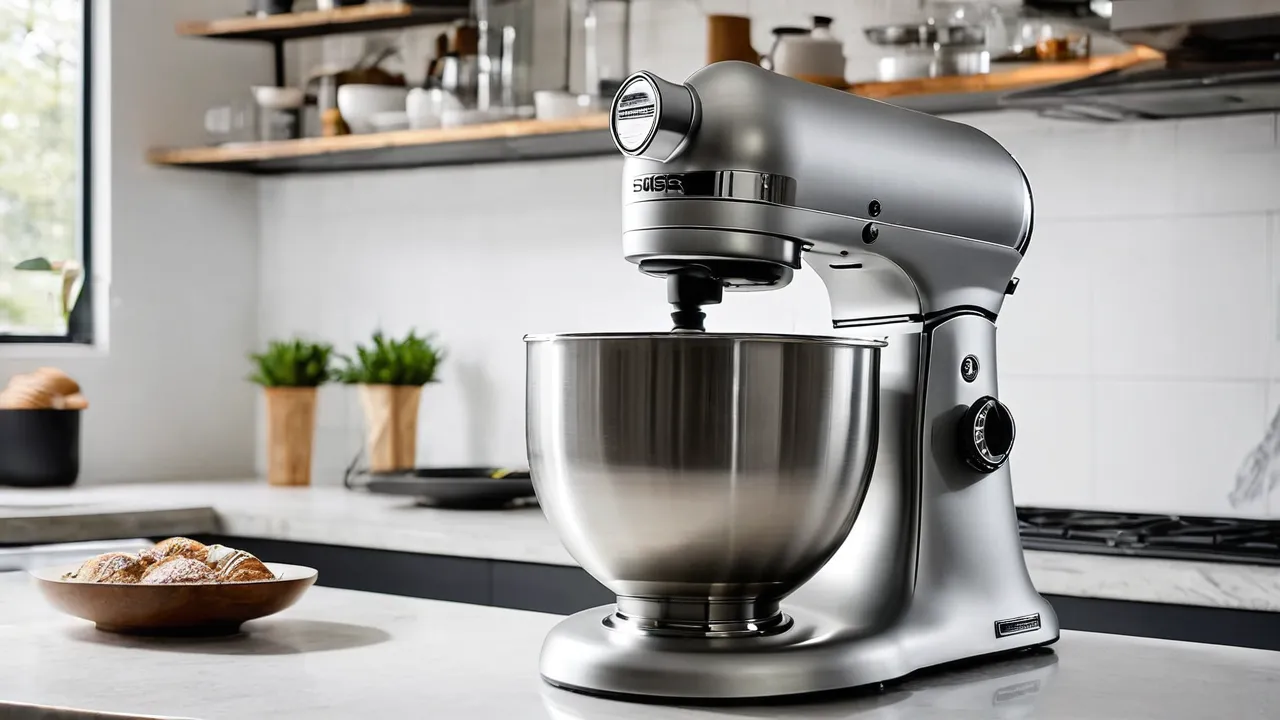
Before you buy a stand mixer, read the warranty for what it covers and excludes, check whether replacement parts such as bowls, beaters and gear components are sold to consumers, and find out how repairs are handled. A long warranty on paper is less valuable than easy access to parts and service, and a machine that cannot be repaired is a short term purchase even if it is built well. Keep your receipt, register the product if the maker offers it, and follow the manual’s load limits so a claim is not denied.
Because a stand mixer is a heavy, motor driven appliance that many people keep for years, repairability matters as much as the first impression. This checklist walks through warranty length against expected life, fine print, parts supply and repair routes.
Warranty Length Versus Expected Life
A warranty is a promise from the manufacturer about a defined period. It does not predict how long the mixer lasts. Many stand mixers outlast their warranty by years with careful use, while others fail soon after it ends, and the published terms rarely tell you which. Do not assume a longer term means a better built machine, since terms can reflect marketing as much as engineering.
Use warranty length as a floor, not a lifespan. Ask what you would do if a gear failed one month after expiration. If the answer is “pay for a repair,” then think about parts supply and service. If the answer is “buy a new one,” the mixer is a consumable, and the purchase price should reflect that.
Verify the actual terms on the manufacturer’s site, not from a retailer’s summary. Warranty terms differ by model, region and sometimes by where you buy.
Reading the Fine Print
Look for these items.
- What parts are covered. Some warranties cover motor and gears but exclude bowls, beaters, coatings and attachments.
- Whether the warranty covers parts only or parts and labor.
- Whether you pay shipping to a service center.
- What counts as misuse. Overloading with dough beyond stated capacity is a common exclusion, and so is using non-approved attachments.
- Whether the warranty applies to household use only. Using a home mixer for a bakery or catering business can void coverage.
- Whether a replacement unit is offered instead of repair, and whether it is new or refurbished.
- Whether the warranty is transferable if you buy used or receive a gift.
- Registration requirements, such as keeping a receipt or registering online.
Commercial use is a point many buyers overlook. If you plan to bake for sale, check the terms and the duty cycle ratings. Home models and commercial models are rated differently, so match the machine to the use.
Parts Supply
Parts supply is the most reliable sign of a repairable machine.
- Check whether the maker sells replacement bowls, beaters, hub covers, gaskets and gear sets directly.
- Look at the product page or support site for part numbers or an exploded diagram. A published parts list suggests the company expects repairs.
- Search for how long parts have been available for earlier generations of the same brand. Long running product lines tend to have a parts ecosystem.
- Be careful with third party parts. They can work but may differ in fit and materials, and using them may affect coverage.
A repair that costs less than a new machine is only practical if parts are available. If the company will not sell a gear set but only sells a whole machine, the unit is effectively disposable.
Questions to Ask Before You Pay
Send the manufacturer or seller a short message before buying, and keep the reply. Useful questions include the following.
- How long are replacement parts stocked after a model is discontinued?
- Is the gear set sold separately, and can an owner install it?
- Is there a service center in my region, and what is the typical turnaround?
- Does the warranty cover the coating on the beaters and the finish on the bowl?
- If a unit fails shortly after the warranty ends, is there a repair program or discount?
A clear, specific answer signals a company that supports its products. A vague answer or no answer tells you something as well. Support quality shows up in how a company treats a pre-sale question.
Also think about total cost of ownership. A less expensive mixer with cheap, available parts may cost less over ten years than a premium one that cannot be repaired. The reverse can also be true, since a heavier machine with metal gears may need fewer repairs. Weigh the purchase price, the repair route and the likelihood of needing both.
Repair Options
If a problem occurs, there are usually four routes.
- Warranty claim with the manufacturer, when the issue is covered.
- An authorized service center, which can handle parts and follow the manufacturer’s procedures.
- An independent repair shop, which may offer faster or cheaper work, though it may not be recognized by the warranty.
- Do it yourself, using a service guide, a food grade grease and the right replacement gear. This route suits experienced owners comfortable with disassembly, and it can void any remaining warranty.
Before you buy, find out where the nearest authorized service center is, or how mail-in service works. Heavy machines can be costly to ship, so ask who pays and how the unit is packed. A local shop that has serviced your brand is worth knowing about.
What to Do at Purchase
- Keep the receipt, the model and serial numbers, and photographs of the label.
- Register the product if the maker provides it.
- Note the date you opened the box and when the warranty ends.
- Save the manual, and read the section on capacity and run time.
- Buy from a seller with a clear return policy. If the mixer arrives noisy, leaking oil or with a loose head, return it before the return window ends.
- Consider refurbished units only when the seller offers a written warranty. The best stand mixer roundup is a useful reference when comparing new units against refurbished ones.
A One Page Pre-Purchase Checklist
- Warranty length, and what it excludes for the motor, gears and finish.
- Whether commercial or business use is excluded.
- Where the claim goes, and whether proof of purchase is required.
- Replacement bowls, beaters, hub covers and gear parts sold.
- Authorized service center or mail-in route confirmed.
- Written answer from the maker on parts stocking after discontinuation.
- Receipt, model number and serial number saved with photos.
- Return window noted for a noisy, wobbly or leaking unit.
Signs a Repair Is Worth It
Not every failure justifies a repair. A worn beater, a cracked bowl or a loose hub cover is inexpensive to replace and nearly always worth it. A stripped gear or a failed speed control is moderate in cost and worth it on a heavy, well built mixer that otherwise runs well. A burnt motor or a cracked housing is a bigger expense, and on an entry level mixer replacement may make more sense. Ask for a written quote and compare it with what a new unit of comparable capacity costs, remembering that a new unit starts a fresh warranty.
Habits That Protect Your Claim
Manufacturers may deny a claim if the machine shows signs of abuse. Use the right speed and load for dough, never exceed stated capacity, and avoid using attachments that are not approved. Clean the machine as the manual says and avoid immersing the base. If you notice a problem, stop using the mixer, since continued use can turn a simple repair into a larger failure.
A Worked Cost Comparison
Suppose a mixer has run for several years and now needs a gear set, with the repair cost quoted as a fraction of a new machine. Ask how many extra years you expect the repair to buy, then divide the repair cost by that number. Divide the new machine’s price by the years you would reasonably expect from it, based on its warranty and your usage. If the repair costs less per year, repair. The numbers depend on your quotes, so write them down before deciding. Add shipping both ways to the repair cost, because a heavy mixer is costly to send.
Frequently Asked Questions
What should I look for in a stand mixer warranty?
Read what the warranty covers, such as the motor and gears, and what it excludes, such as finish, wear parts and business use. Check the length, where claims go and whether you need proof of purchase. Verify terms on the maker’s site rather than a retailer summary.
Are replacement parts available for stand mixers?
It depends on the maker. Many sell bowls, beaters, hub covers and some gear parts, while others do not. Check the maker’s parts page before buying, and ask in writing how long parts are stocked after a model is discontinued. A clear answer signals support.
Is it worth repairing a stand mixer?
Often yes for a quality mixer with parts and service available, especially for mechanical faults like worn gears. Compare repair cost, including shipping, per extra year of use with a new mixer’s cost per year. For a budget model with no parts, replacement may make more sense.
Does using a stand mixer for business void the warranty?
Often yes, because many home warranties limit coverage to household use. Read the wording and ask the maker in writing if it is unclear. If you bake for sale, check duty cycle guidance, and consider a model designed for heavier use.
Final Thoughts
A buy once approach to stand mixers means judging the whole support picture. Read what the warranty covers, learn whether bowls, beaters and gear parts are sold, and find out where service happens. Keep your receipt and follow the manual’s limits. If a manufacturer is vague about parts and service, treat the mixer as a shorter term purchase and adjust your budget. Browse the stand mixers category and read how we review to see how we weigh support alongside capacity.
Related buying guides
- Stand Mixer Wattage: What the Number Really Means
- Tilt Head vs Bowl Lift Stand Mixers
- When to Buy a Stand Mixer: Sale Timing Without Gimmicks
About the author

The BuyOnceChoice Editorial Team researches durable products worth buying once. Our guides compare published specifications, warranty terms, expert review consensus, and verified owner feedback. We do not conduct our own product trials. See How We Review and our Editorial Policy for our standards.