Tilt Head vs Bowl Lift Stand Mixers
Most comparisons come from one brand. Weigh dough limits, cabinet height, and long term wear to decide which stand mixer design fits your baking.
 By BuyOnceChoice Editorial Team
Updated November 16, 2026
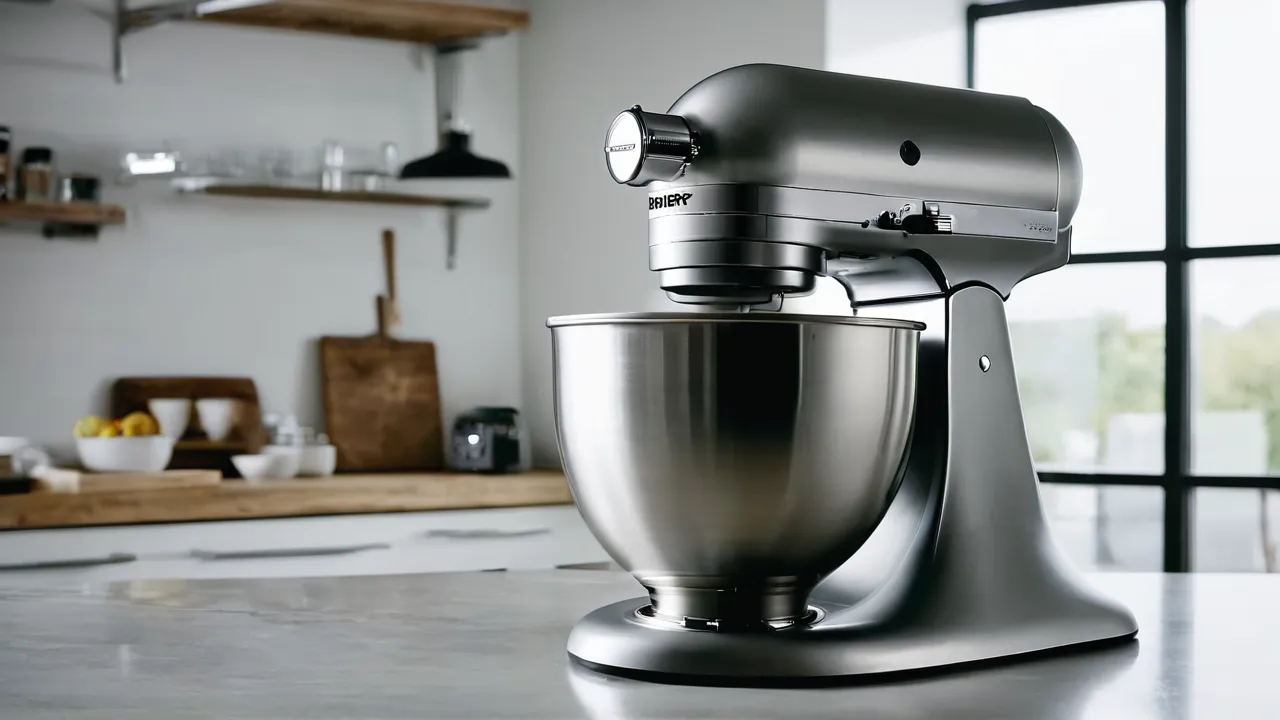
A tilt head vs bowl lift stand mixer choice is mainly about dough and space. A tilt head hinges up for easy access and suits cakes, cookies, and occasional bread, while a bowl lift holds the head fixed and raises the bowl, which steadies heavy dough and larger batches but takes more height and effort to load.
How the Two Designs Work
On a tilt head mixer, the motor head hinges back on a pivot. You unlock it, lift it, and the beater swings away from the bowl, so you can scrape, add ingredients, and swap attachments with the bowl sitting in place. The head is locked down while mixing.
On a bowl lift mixer, the head stays fixed. The bowl sits on two arms, and a lever raises it up toward the beater. When you finish, you lower the bowl and lift it off. The fixed head is attached to the frame more rigidly, which is why many bakers associate it with heavy dough.
Many shoppers meet these terms through one big brand, and its names for the designs may not apply to others. What matters are the structures: a hinged head or a fixed head with a lifting bowl.
Dough Capacity Limits
The biggest practical difference is how much stiff dough each design handles. The tilt head design transmits load through a hinge, so heavy loads put stress on that joint and on the locking mechanism. Makers publish a stated dough capacity for each model, often as a flour weight or loaf count, and tilt head models generally list lower limits than bowl lift models of similar bowl size.
Do not guess. Check the manual or product page for the stated maximum dough, and compare it with your heaviest recipe. If you routinely make multiple loaves, double batches of bread, or stiff bagel dough, a bowl lift design is a safer fit. If you mostly bake cakes, cookies, and an occasional loaf, a tilt head is usually adequate.
Stiff doughs should be mixed at low speed, per the manual. Running a tilt head hard on heavy dough is one common way to shorten its life.
Cabinet Height and Counter Fit
Height is the quiet deciding factor. A tilt head needs clearance above for the head to swing up. If you store the mixer under a cabinet and use it in place, check whether the head can tilt fully without hitting the underside. If it cannot, you will have to slide it out each time.
A bowl lift needs height for the bowl to rise, and it often sits taller overall, though its head does not swing up. Measure your counter space and cabinet clearance with the manual’s dimensions, including the lever or tilt arc.
Weight also matters, because bowl lift models are typically heavier. If you will move the mixer between a cabinet and the counter, think about whether you can lift it comfortably.
Ease of Use Day to Day
Tilt head wins on access. Scraping the bowl, adding flour, checking dough, and swapping beaters are all easier when the head tilts away. For small batches of batter, this is a real convenience.
Bowl lift is more awkward for quick jobs. You have to lower the bowl to scrape, and the arms can obstruct a view. On the other hand, locking the bowl in place on heavy dough feels steady. Beater height adjustment, for either design, matters, and the manual shows how to set the clearance between beater and bowl.
Long Term Wear
Wear patterns differ. On a tilt head, the hinge and locking latch take repeated stress, and owners sometimes report head movement or looseness on heavy use, though that depends on build and load. On a bowl lift, the bowl arms, lift mechanism, and bowl pins can wear, and the fixed head avoids hinge issues.
Both designs wear at the gears and the motor if overloaded. Neither type is immune, and neither is a promise of long life. Look at the warranty length, the availability of parts, and the maker’s published limits. Mixers used within their stated capacity tend to last longer, so choose a design that gives you margin.
Three Kitchens, Three Choices
Picture a baker who makes birthday cakes, cookies for a school sale, and a loaf of sandwich bread twice a month. The mixer spends most of its life on light batters, with brief heavy work. A tilt head handles that comfortably, and its easy access speeds up the many small jobs, such as adding chocolate chips or scraping the bowl between steps.
Picture a second baker who makes weekend sourdough or pizza dough for a large family, often two or three batches in a row. Stiff dough runs for many minutes at low speed, and the mixer needs stability. A bowl lift suits that, because the fixed head and supported bowl resist the rocking that stiff dough causes. This baker also benefits from checking the stated dough capacity and keeping every batch below it.
Picture a third cook who rents or lives in a small apartment with shallow upper cabinets and a short counter. Here measurement decides. A tilt head that cannot swing up under the cabinet is a nuisance, and a bowl lift that cannot lift its bowl may be impossible to use in place. In that case, choose by the dimensions in the manual rather than by reputation, or consider whether a stand mixer is the right tool at all.
Stability on the Counter
Stability is partly a matter of weight and base design. A heavier base resists walking at speed. Rubber feet help, though they wear. If a mixer moves while kneading, reduce the speed, cut the batch size, or check the manual, rather than holding it with your hand while it runs, which is a safety risk.
Verdicts by Buyer
- Occasional baker, cakes and cookies: choose a tilt head for easy access and a smaller footprint.
- Regular bread baker, multiple loaves: choose a bowl lift for stability and higher stated dough capacity.
- Small kitchen with low cabinets: check the tilt arc first. A bowl lift may fit if the cabinet is high enough for the bowl to rise.
- Someone who values easy cleaning and scraping: tilt head.
- Someone who wants one machine for years of heavy use: bowl lift, with the warranty and parts reviewed.
Skip a bowl lift if you bake only light batters and want the easiest access. Skip a tilt head if heavy dough is your main use.
Safety Note
Unplug before changing attachments and keep hands away from moving parts. Lock the head or bowl fully before mixing, and do not run a machine that rocks or lifts. Plug into a grounded outlet, and stop using the mixer if it smells hot or trips a breaker. A licensed electrician should check circuits or wiring.
A Quick Way to Check Your Own Fit
Do this at the kitchen counter before you buy. First, look up the stated dough capacity for any model you are considering and compare it with the biggest batch you bake. If your heaviest recipe uses most of the stated limit, move up a size or to a bowl lift, because a mixer run at its ceiling wears faster. Second, measure the space between your counter and the underside of the cabinet, then compare it with the model’s dimensions in the manual, including the tilt arc or the height the bowl reaches when raised. Third, decide whether you will leave the mixer on the counter or lift it out each time. A heavier bowl lift body is easy to live with if it stays put and tiresome if it lives on a high shelf.
Common Owner Regrets
- Buying for the cake, then baking bread. People who start with light batters often move to dough later and wish they had more stated capacity.
- Ignoring clearance. A mixer that cannot tilt or lift in its cabinet spot ends up stored away and used less.
- Overfilling the bowl. Both designs run best when batches stay comfortably under the stated limit.
- Assuming a design guarantees longevity. Wear depends on load, build, and care, so read the warranty terms and parts availability.
Frequently Asked Questions
Is a bowl lift stand mixer better than a tilt head?
Not always. A bowl lift is steadier with heavy dough and larger batches, so it suits regular bread bakers. A tilt head is easier for scraping and adding ingredients, so it suits cakes, cookies, and occasional loaves. Choose by your heaviest recipe and your cabinet clearance, and check the stated dough capacity.
Can a tilt head stand mixer knead bread dough?
Yes, within its stated dough capacity. Many tilt head models handle an occasional loaf at low speed, but stiff dough or double batches put stress on the hinge and gears. Check the manual for the maker’s limit, keep batches below it, and let the motor rest between heavy runs.
Do bowl lift mixers need more counter height?
Often yes. The bowl rises toward a fixed head, so the machine can be taller overall, and the lift arms need space. Measure from the counter to the cabinet and compare it with the dimensions in the manual. A tilt head needs clearance above for the head to swing up.
Which type lasts longer?
Neither design promises longer life. Mixers last longer when used within the stated capacity, kept clean, and serviced as the manual advises. Bowl lift models avoid hinge wear, while tilt heads can show latch or hinge looseness under heavy use. Compare warranty terms and parts availability before you buy.
Final Thoughts
Tilt head is easier to use and suits most home bakers, while bowl lift is steadier and suits heavy dough and larger batches. Check the stated dough capacity, measure cabinet clearance, and review warranty and parts. Compare options in the stand mixer category and the best stand mixer roundup, and read how we review for how we weigh these trade-offs.
Related buying guides
- When to Buy a Stand Mixer: Sale Timing Without Gimmicks
- Bread Dough in a Stand Mixer: Load Limits and Motor Strain
- Commercial vs Home Stand Mixers: Who Needs Heavy Duty
About the author

The BuyOnceChoice Editorial Team researches durable products worth buying once. Our guides compare published specifications, warranty terms, expert review consensus, and verified owner feedback. We do not conduct our own product trials. See How We Review and our Editorial Policy for our standards.