Bread Dough in a Stand Mixer: Load Limits and Motor Strain
Learn how flour weight, hydration and bowl size set safe dough loads for a stand mixer, plus the signs of motor overload to stop on.
 By BuyOnceChoice Editorial Team
Updated November 16, 2026
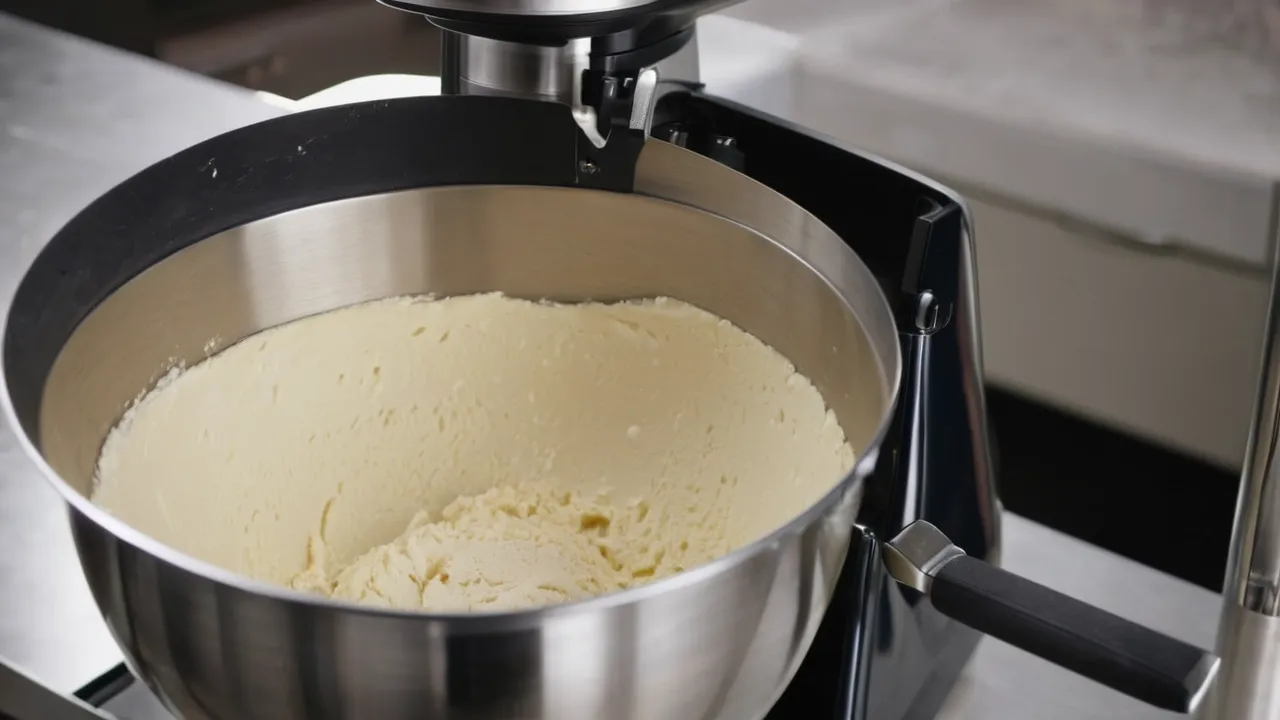
Check the manual for the maximum flour weight or dough capacity your mixer states, then stay under it, especially for stiff or low hydration dough. As a method, weigh the flour, add water by weight, and use the lowest speed the manual recommends for dough. Stop and rest the machine if the head vibrates hard, the motor slows or smells hot, or the dough climbs the hook. Overload can burn out the motor or strip gears, so smaller batches are the safer choice.
Dough is the heaviest load most home mixers ever see. Whipping cream asks little of the motor, but kneading a dense loaf asks for sustained torque. This guide gives you a method for judging a safe load, explains how hydration changes the strain and lists the signs that you are asking too much.
Why Dough Strains a Mixer
Kneading develops gluten by stretching and folding dough, and the dough resists. Stiff dough pushes back against the hook with force that the motor, gears and head must withstand for many minutes at a time. Batters, creamed butter and whipped egg whites are light by comparison.
Strain depends on three things: the weight of the dough, how stiff it is, and how long you knead. A large batch of stiff dough for a long knead is the hardest case. Bagels and pizza dough with low water content are stiff, while a wet ciabatta dough is looser but can still clog the hook and cling to the bowl.
Mixer design matters too. Tilt-head mixers have a hinge that can lift and shake under heavy loads. Bowl-lift mixers have a more rigid structure and are generally rated for larger batches. Motor wattage numbers are a poor guide to dough capacity, because gearing and design affect torque more than the headline power figure.
Finding Your Mixer’s Stated Limit
Start with the manual or the product page. Many manufacturers list a maximum capacity in terms of flour weight or cups of flour, or the maximum dough in the bowl, and some list the number of loaves. Use the figure for dough specifically, because it differs from batter capacity.
If the manual is vague, take a conservative approach. Use a batch that fills the bowl no more than about one third to one half, and watch how the machine behaves. A heavy load that slows the motor at low speed is a warning. Smaller batches are less efficient but safer, and you can mix two batches sequentially.
Bowl size does not equal dough capacity. A seven quart bowl does not mean you can knead seven quarts of dough. Check the manufacturer’s stated limits, and do not rely on a retailer’s marketing language.
A Method for Safe Loads
Follow these steps to keep the load reasonable.
- Weigh the flour on a kitchen scale and compare it with the manual’s maximum. Stay below it, and allow a margin for stiff dough.
- Work out the hydration, meaning the weight of water divided by the weight of flour. Stiffer dough has a lower ratio, for example water at about half the flour weight, and needs more caution than a wetter dough.
- Use the dough hook, not a flat beater, and use the lowest speed the manual recommends for kneading. Many manuals say not to exceed a low setting for yeast dough.
- Start by mixing the ingredients by hand or on the lowest speed until combined, so that the first rotations are not fighting dry flour.
- Limit continuous kneading time to what the manual says. If the manual does not say, knead in short periods, and rest the machine between them.
- Check the motor, head and bowl with your hand. Warm is normal. Hot is not.
Writing the limit on a piece of tape on the base saves guesswork next time.
A Worked Example With Flour Weight
Suppose your manual states a maximum of eight cups of all purpose flour for yeast dough. A cup of all purpose flour weighs roughly 120 to 125 grams, so that limit is about a kilogram of flour. A recipe calling for 900 grams of flour sits near the ceiling, which is risky if the dough is stiff or you knead for a long time. Cutting the batch to roughly 600 to 700 grams gives a margin. If your manual gives a limit in a different unit, convert it the same way and write the answer on the tape strip. These numbers are an illustration of the method, so use the figures in your own manual.
Signs of Overload
Stop the mixer and unplug it if you see these.
- The motor pitch drops or slows, and the speed does not recover.
- The head rocks, lifts or vibrates in a way that moves the machine on the counter.
- The dough climbs up the hook and rides out of the bowl.
- You smell hot plastic, hot metal or burning.
- The housing or the area near the vents is too hot to touch comfortably.
- The machine stops and restarts, which can mean a thermal cutoff has tripped.
If the motor stops from overheating, unplug it and let it cool for as long as the manual states before restarting. Repeated overheating shortens the life of the motor. If a thermal protection feature trips often, reduce the batch size.
What to Do After a Stall or a Hot Smell
Switch off, unplug, remove the dough, and divide it into two portions. Knead each portion separately, or finish by hand. Let the motor cool as the manual says before using it again. If you smell hot plastic, see smoke or notice the head tilting and rattling under load, stop using the machine and contact the manufacturer. Repeated stalls point to a batch that is too large or too stiff, not to a defective mixer, but a machine that stalls on small batches deserves a service inquiry.
Dough Types and What They Ask of the Motor
Different breads load a mixer differently. Lean doughs with low water, such as bagels and some pizza doughs, are stiff and dense, and they strain the motor and gears most. Enriched doughs with butter, eggs and sugar, such as brioche or sweet rolls, start sticky and become silky, and they usually need longer mixing, which adds heat over time. Wet, high hydration doughs, such as ciabatta, cling and stretch, with less torque but more mess, and they can climb the hook.
Whole grain flours absorb more water and form a denser dough, so a recipe that works with white flour may need a smaller batch with whole wheat. Add the flour in stages if the recipe allows, and judge the dough by feel, not only by the clock.
Temperature matters. Friction from kneading warms dough, and a warm mixer head adds to it. In a hot kitchen, long kneads can overheat both dough and motor, so resting the machine helps both.
Tilt-Head or Bowl-Lift for Dough
Bread bakers often ask which design is better. In general, bowl-lift models are built for heavier loads, with a stronger structure and larger bowl. Tilt-head models are easier to use and often smaller, which suits cakes, cookies and light doughs.
Do not assume one type is always better. A well built tilt-head mixer with a clear dough rating can handle a loaf or two a week, and a poorly rated bowl-lift mixer can still strain. Read the specification for dough, not just the style. Our stand mixers category explains how we compare capacity and build.
Practical Tips to Reduce Strain
- Let the flour rest in water for a short period before kneading, a technique often called autolyse, which can make dough easier to work and shorten the time kneading is needed.
- Knead partly by hand if the dough is stiff, finishing in the mixer or the reverse.
- Cut a very large recipe into two batches.
- Keep ingredients at room temperature, because cold dough and cold butter stiffen the mix.
- Scrape the bowl so that dough does not collect at the bottom and add load.
If you make dough weekly, a lighter alternative may suit you better. If you often hit your mixer’s limit, the best stand mixer roundup shows what larger capacity models offer.
Safety Notes
Overload can burn out the motor, so stop and unplug at the first sign of strain. Keep hands, spatulas and sleeves out of the bowl while the hook turns. Plug into a grounded outlet, avoid extension cords and never operate a mixer with a damaged cord. Follow the manual for run times, and consult a qualified technician for repairs.
Frequently Asked Questions
How much bread dough can a stand mixer handle?
It depends on the model, so check the manual for the maximum flour weight or dough capacity. Bowl size alone is not a guide. When the limit is unclear, keep batches to about one third to one half of the bowl, use the dough hook, and stop if the motor strains or the head lifts.
Can a stand mixer burn out kneading bread dough?
Yes, overloading it with stiff dough, long knead times or too large a batch can overheat or damage the motor and gears. Stay under the manual’s stated limit, use low speeds, rest the machine between batches and stop at the first sign of strain, such as slowing, smell or heat.
What speed should I use to knead dough in a stand mixer?
Use the lowest speeds your manual recommends for yeast dough, because high speeds add strain without developing gluten faster. Many manuals cap dough speed at the lowest settings and limit kneading time to a few minutes. Check yours, and finish by hand if the dough needs more development.
Is a bowl-lift mixer better for bread dough?
Often, yes, since bowl-lift designs tend to be built for heavier loads and have a more rigid structure. But a tilt-head with a clear dough rating can handle a loaf or two a week. Compare the stated dough capacity and warranty terms rather than assuming the design alone decides.
Final Thoughts
Safe dough loading is a matter of reading your mixer’s stated limit, weighing the flour and watching for signs of strain. Use low speeds, rest the machine and choose smaller batches when dough is stiff. If you often hit the limit, the answer is a mixer with a clearly stated dough capacity, and not more effort from a small one. Read how we review to see how we compare capacity claims, and do not hesitate to contact the manufacturer when the manual is unclear.
Related buying guides
- Commercial vs Home Stand Mixers: Who Needs Heavy Duty
- How Long Do Stand Mixers Last and What Fails First
- How to Choose a Stand Mixer: Capacity, Motor, Build
About the author

The BuyOnceChoice Editorial Team researches durable products worth buying once. Our guides compare published specifications, warranty terms, expert review consensus, and verified owner feedback. We do not conduct our own product trials. See How We Review and our Editorial Policy for our standards.