Stand Mixer vs Hand Mixer: Which Do You Need
Choose between a stand mixer and a hand mixer by how often you bake, whether you make dough, and how much cabinet space and budget you have.
 By BuyOnceChoice Editorial Team
Updated November 16, 2026
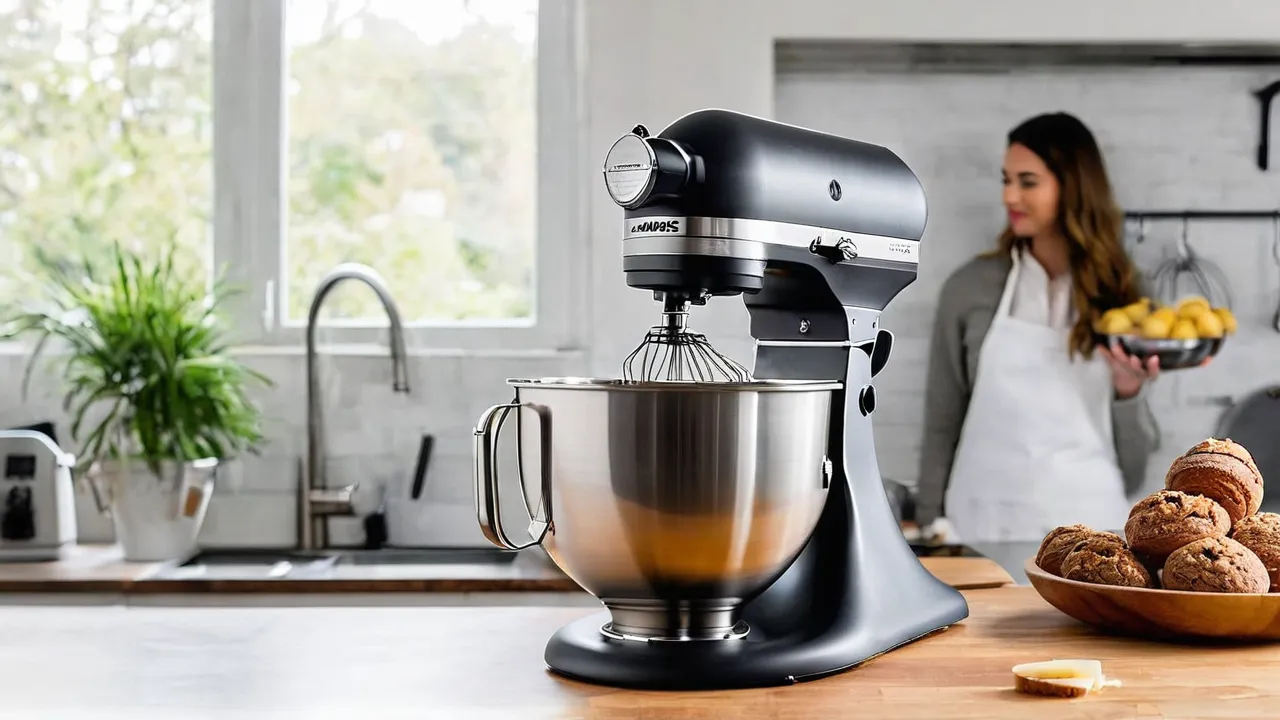
Buy a stand mixer if you bake several times a month, make yeast dough or stiff cookie dough, or want both hands free while the machine runs. Buy a hand mixer if you bake a few times a year, mostly make cakes, batters and whipped cream, and have limited storage. A hand mixer costs far less and tucks into a drawer, while a stand mixer handles heavy loads and long mixing times more easily.
The wrong choice costs money or counter space, so use a simple rule built around bakes per month, dough, storage and budget.
What Each Mixer Does Best
A hand mixer is a handheld motor with two removable beaters. You hold it, move it around the bowl and decide how long to mix. It is light, quick to set up and works in any bowl or pot. That flexibility makes it good for whipping cream or egg whites, mixing pancake batter, creaming butter for a small batch of cookies and mashing potatoes.
A stand mixer has a stronger motor, a fixed bowl and a head that moves a beater in planetary motion around the bowl. It can run for many minutes without you holding it. It handles heavy yeast dough with a dough hook, large batches of cookie dough and long whipping jobs. Many models accept optional attachments through a front hub for jobs like grinding meat or rolling pasta.
The tradeoff is footprint and cost. A stand mixer is heavy, takes up counter or cabinet space and costs much more than a hand mixer.
The Bakes Per Month Rule
Use your baking frequency as the main yardstick.
- Fewer than two bakes a month, mostly cakes, brownies, frosting and whipped cream: a hand mixer is enough.
- Two to four bakes a month with some cookie dough or batches for a crowd: a hand mixer can work, though you may tire holding it. A small stand mixer is a reasonable upgrade.
- More than four bakes a month, or any regular bread or pizza dough: a stand mixer pays off.
- Baking for a family, school or small business, or making double batches: a stand mixer is the safer purchase.
Treat this as a starting point. If you hate holding a mixer for several minutes, a stand mixer may suit you even when you bake less. If you rarely bake and you value cabinet space, a hand mixer is fine however much you cook.
Dough Is the Deciding Factor
Dough separates the two types more than any other task. Yeast bread dough is thick and requires sustained kneading. Hand mixers with dough hooks exist, but their motors are not designed for long, heavy loads, and many manuals limit the time and amount of dough. Pushing a hand mixer past that limit can overheat the motor. Stiff cookie dough also strains a hand mixer, especially with chocolate chips or oats.
A stand mixer is built for these loads. Its larger motor and gearing handle dough, and the bowl-lift designs generally handle larger quantities than tilt-head ones. Check the manufacturer’s stated capacity for flour or dough rather than assuming. Our stand mixers category explains how capacity ratings differ.
If you make bread only occasionally, kneading by hand or using a bread machine or food processor is an alternative that avoids buying a large mixer.
Three Typical Households
A single person who bakes a birthday cake and a few batches of cookies at the holidays will get through years with a hand mixer and never feel limited. A couple that bakes sourdough or pizza dough every weekend will find a hand mixer frustrating within a month, because kneading by hand or by a small motor is slow and the dough clings to the beaters. A family that bakes for school events, bake sales or large gatherings needs bowl capacity and a motor that can run steadily, which points to a larger stand mixer, often with a bowl that locks into place.
Notice that what you cook matters more than how much money you have. A modest stand mixer used weekly is a better purchase than a premium one that sits in a cabinet, and a good hand mixer used for years is a better purchase than a stand mixer you resent storing.
Storage and Counter Space
A hand mixer fits in a drawer or small bin and stores the beaters beside it. It does not need a dedicated spot.
A stand mixer is heavy and tall. Many owners keep it on the counter because lifting it is a chore, which uses permanent space. If you store it in a cabinet, measure the height with the head raised and the weight you are willing to lift. Also consider where the cord will reach, and whether you can pull the unit forward to tilt the head back for bowl changes.
If space is tight, a hand mixer is easier. If you can leave a mixer on the counter, the convenience of a stand mixer increases, since you will use it more often.
A Verdict by Buyer Type
- Occasional baker, cakes and cookies a few times a year: a hand mixer.
- Weekly baker with some dough: a stand mixer with a stated dough capacity.
- Bread baker: a stand mixer, preferably a bowl-lift design, or a bread machine if you prefer automation.
- Small kitchen or dorm: a hand mixer.
- Person with limited hand or wrist strength: a stand mixer, so you do not hold a mixer for minutes.
- Budget shopper who wants options later: a good hand mixer now, then a stand mixer when your baking grows.
Cost and Long Term Value
Look at cost per bake over the years you expect to keep the machine.
A hand mixer usually costs a fraction of a stand mixer. If you bake rarely, the lower price and low replacement cost make sense. A stand mixer can last many years with proper care, so the cost per use falls for frequent bakers. But a stand mixer used twice a year is expensive storage.
Hand mixers also come in a range of power levels. A few offer more speeds, a stronger motor and a stand for resting the machine, while basic ones have low power and fewer speeds. If you choose a hand mixer for stiff doughs, read the manual’s limits on run time and look for a motor stated to handle thicker mixtures. A cord that detaches or swivels is a small feature that makes a hand mixer easier to use in a right or left hand.
Think about parts as well. Stand mixers have replaceable bowls, beaters and sometimes gear parts, and attachments extend what they do. Check warranty and parts availability before you buy. Hand mixers are usually replaced rather than repaired.
A Simple Cost Per Bake Method
Estimate how many times you will bake per year, and how many years you expect to keep the machine. Multiply to get total bakes. Divide the machine price by that number to see cost per bake. A hand mixer used a dozen times a year over several years spreads a small price over many bakes. A stand mixer used weekly spreads a larger price over many more. A stand mixer used three times a year is the costly choice per bake. Use your own local prices and an honest count of how often you bake.
Who Should Choose Which
- Choose a stand mixer if you regularly bake bread, make large batches, want hands free mixing, or can dedicate counter space.
- Choose a hand mixer if you bake occasionally, mostly use batters and whipped cream, have small storage, or want the lowest cost.
- Skip a stand mixer if you rarely bake or have no room to store it.
- Skip a hand mixer as your only mixer if you plan to knead dough often, because heavy loads can burn out the motor.
- Consider owning both if you bake often, since a hand mixer is handy for small jobs and for mixing over a pot on the stove.
Safety and Care Basics
Unplug a mixer before changing beaters or cleaning, and keep hair, sleeves and utensils away from moving parts. Plug into a grounded outlet and avoid extension cords. Do not immerse the motor in water. Follow the manual’s maximum run times and loads, and stop if the motor smells hot or slows sharply. Check beater dishwasher rules, since coated beaters often are not dishwasher safe.
Frequently Asked Questions
Should I buy a stand mixer or a hand mixer?
Buy a stand mixer if you bake several times a month, make yeast dough or stiff cookie dough, or want hands free mixing. Buy a hand mixer if you bake a few times a year, have limited space or want a lower cost. Count your bakes per month first.
Can a hand mixer knead bread dough?
Hand mixers with dough hooks can handle small amounts of soft dough, but thick yeast bread dough strains the motor. Check the manual for limits. For regular bread baking, a stand mixer, a bread machine or kneading by hand is a better choice.
Is a stand mixer worth it if I only bake occasionally?
Usually not. A hand mixer handles cakes, brownies, frosting and whipped cream at a fraction of the price and storage space. A stand mixer pays off when you bake often, make dough or want hands free mixing, so count your bakes per month before buying.
Can a stand mixer do everything a hand mixer does?
Mostly yes, and with more power and hands free operation. It is less convenient for small amounts and for mixing in a pot on the stove. It is heavier and takes more space, so a hand mixer remains handy as a second tool for some bakers.
Final Thoughts
If you bake a few times a year, buy a hand mixer and skip the extra cost and space. If you bake regularly, make bread or want hands free mixing, a stand mixer is the better buy. The deciding questions are how often you bake, whether you make dough, and how much storage you have. When you are ready to compare stand mixers, see the best stand mixer roundup and read how we review to see how we weigh capacity and parts support.
Related buying guides
- Stand Mixer Warranty and Repair: Buy Once Checklist
- Stand Mixer Wattage: What the Number Really Means
- Tilt Head vs Bowl Lift Stand Mixers
About the author

The BuyOnceChoice Editorial Team researches durable products worth buying once. Our guides compare published specifications, warranty terms, expert review consensus, and verified owner feedback. We do not conduct our own product trials. See How We Review and our Editorial Policy for our standards.