Safety Toe vs Soft Toe Boots: When Each One Is Enough
Start with what can fall on or roll over your feet. That answer, not comfort or habit, tells you whether a safety toe is required or just optional.
 By BuyOnceChoice Editorial Team
Updated November 16, 2026
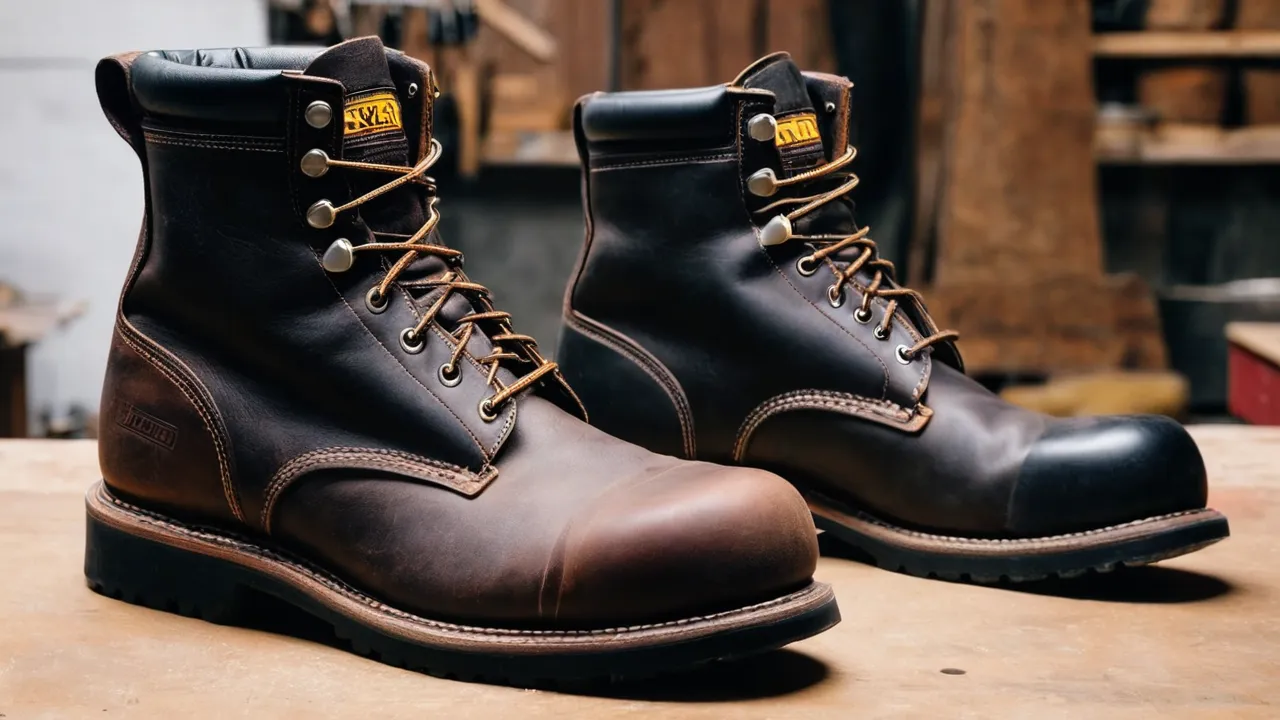
Safety toe vs soft toe boots comes down to your hazards. Choose a safety toe when your job involves falling, rolling or compressing loads, and choose a soft toe only when you have confirmed that your employer and your tasks do not call for protective footwear. The extra weight and stiffness of a toe cap are the price of protection, so the decision should start with a hazard check and not with comfort.
Start with the hazard, not the boot
A safety toe is a reinforced cap built into the front of the boot to resist impact and compression. A soft toe has only the normal leather or synthetic upper and a toe box that gives way under load. The first question is not which feels better but which hazards exist where you work.
Walk through a normal day and list what could land on, roll onto or crush your feet. Dropped tools, pipe, lumber, pallet corners, hand trucks, drum edges and rolling carts all count. Then note how often. A hazard that appears once a month still matters, because injuries come from the day the load slips.
If your employer or site safety officer requires protective footwear, that requirement overrides personal preference. Ask which standard the workplace expects and read the marking on the boot against it. Product listings rarely make this simple, so confirm the label inside the boot or on the tag.
What a safety toe cap actually does
In the United States, protective footwear is commonly certified to ASTM F2413, and compliant boots carry a marking inside the boot, usually on the tongue or shaft, that lists the protection offered. That marking is the proof. A boot that looks reinforced but has no marking should not be treated as rated.
The cap protects against impact from above and compression from rolling loads. It does not make the boot puncture resistant, it does not protect the top of the foot, and it does not insulate against heat or cold. Those are separate features, covered in the sections on puncture plates and metatarsal guards in our work boots guides.
How the rating marking reads in practice
On a compliant boot, the marking is a short block of letters and codes printed on a tag inside the boot. It normally names the standard, a sex specific designation and the protection categories. You will usually see impact and compression listed first, then any extras such as metatarsal protection, puncture resistance, electrical hazard or static dissipative properties. Read it before you buy and again when the boots arrive, because the product page and the actual boot can differ between models and production runs.
A common mistake is to assume that a safety toe means the whole boot is a safety boot. Many boots carry a cap but no puncture plate and no electrical hazard rating. If your hazards include nails, scrap metal or live circuits, each of those needs its own marking, and the toe cap material does not supply them.
Steel, alloy and composite caps compared
| Cap type | Weight | Cold and heat | Typical owner notes |
|---|---|---|---|
| Steel | Heaviest of the three | Conducts temperature readily | Slimmest cap for its protection, rigid and often the lowest cost |
| Alloy | Lighter than steel | Conducts, but with less mass | Higher cost, bulk often slightly lower than composite |
| Composite | Lighter, non metallic | Does not conduct like metal | Bulkier profile, common where metal detectors are in use |
These are general tendencies. Individual boots vary, and the rating on the label is what counts. A composite cap can meet the same rating as a steel cap, but it may need more volume in the toe box, which affects fit.
Weight matters over a full shift. A heavier boot adds up across thousands of steps, and many wearers who switch from soft toe to steel toe notice leg fatigue for the first couple of weeks. That is a reason to choose a lighter cap material when your hazards are modest, not a reason to skip protection altogether.
When a soft toe is the sensible choice
Soft toe boots make sense for trades and tasks where crush hazards are minimal and no rule requires protection: some landscaping, delivery, light assembly, retail stock and office to field roles. Soft toe boots are lighter, bend more naturally at the ball of the foot, and are easier to fit if you have wide toes or bunions.
Be honest about edge cases. A warehouse job that has pallet jacks and forklifts nearby is not a soft toe job even if your role is clerical on paper. A home garage where you move heavy equipment occasionally may justify a safety toe for those days, even though you spend most days in sneakers.
Comfort trade-offs and fit
- Toe box height: a cap needs headroom, so try boots with the socks you will actually wear.
- Flex point: a rigid cap sits ahead of the ball of the foot, so a boot that bends in the wrong place causes pressure on the toes.
- Weight: compare boots by listed weight per pair when it is available, using the same size.
- Break-in: expect the cap region to feel snug at first, but never accept pain at the toes as normal.
- Cold weather: metal caps pull warmth from the foot, so insulated boots matter more, as covered in our winter boots guides.
A cap cannot stretch. If the front of the boot is too tight, the fixes are limited, as we explain in our guide to steel toe boots that feel too tight. The right answer is usually a longer size or a different last, not a stretching shortcut.
A simple walk through for a mixed job
Suppose you work in a fulfillment center. Your tasks include walking long distances, loading pallets by hand and occasionally running a pallet jack. The hazard list is compression from a rolling jack and dropped cartons. That calls for a rated cap, and the long walking suggests a lighter composite or alloy cap with a cushioned midsole.
Now suppose you manage a retail garden center. You lift bagged soil, move wheeled carts and work outdoors in all weather. A rated cap protects against cart rollovers and dropped bags, and a waterproof upper matters more than the cap material. Different jobs lead to different priorities, and the same cap rating can sit in very different boots.
Safety notes before you decide
Protective footwear is a safety device, so treat it like one. Follow the manufacturer’s manual and care instructions, check the marking against the standard your workplace requires, and replace boots when the cap is dented, the sole is separating or the upper has cracked through. Do not drill, grind or modify a rated boot, and ask the maker before changing insoles or having the sole repaired, since alterations can affect the rating.
If you are unsure which rating a job needs, ask your employer or safety officer. They can tell you the hazards and the standard. This site does not offer legal or occupational advice.
Decision rules by buyer
- Warehouse, construction, utility, manufacturing: safety toe, with the lightest cap that carries the rating your site requires.
- Delivery, retail, light landscaping, office to field: soft toe is reasonable if no rule requires otherwise.
- Wide forefoot or bunions: look for wide lasts and consider composite for its roomier profile, then confirm the rating.
- Cold outdoor work: composite or insulated safety toe boots, since metal caps conduct cold.
- Occasional heavy tasks at home: keep a safety toe pair for those days only.
You can see how we evaluate footwear claims in how we review, and browse the full clothing and footwear section for related guides.
Frequently Asked Questions
Do I need safety toe boots for my job?
Only if your tasks involve falling, rolling or compressing loads, or your employer requires protective footwear. Walk through your day and list what could land on your feet. Ask your employer or safety officer which standard applies, and check the marking on the boot.
Is a composite toe as safe as a steel toe?
A composite cap that carries the same marking meets the same standard requirements, so the label is the guide, not the material. Composite is lighter and conducts less heat and cold but is often bulkier. Compare the tag and fit.
Are safety toe boots always heavier?
Usually, since the cap adds material. Steel is the heaviest, and alloy and composite are lighter. Boots also differ in construction and sole, so compare listed weights in your size. Many wearers adapt after the first couple of weeks, and a lighter cap or a cushioned midsole can help with fatigue.
Does a safety toe protect against nails in the sole?
No. The cap covers the front of the boot only. Protection from sharp objects through the sole requires a puncture plate, marked PR on the label. Check each category you need on the tag, and ask your safety officer if the job involves nails or scrap.
Final Thoughts
A safety toe is a hazard decision, not a comfort decision. If something heavy can land on your foot, buy a rated cap and accept the weight. If it truly cannot, a soft toe boot is lighter and easier to wear. When you are unsure, the safer choice is the rated one, because a few ounces per boot cost far less than an injury that keeps you off the job.
Related buying guides
- Side Zipper vs Lace Work Boots: Durability Trade Offs
- Slip Resistant Work Boots: SR vs SRO Ratings Explained
- Steel Toe Boots Too Tight? Fit Fixes That Work
About the author

The BuyOnceChoice Editorial Team researches durable products worth buying once. Our guides compare published specifications, warranty terms, expert review consensus, and verified owner feedback. We do not conduct our own product trials. See How We Review and our Editorial Policy for our standards.