Tool Warranty Guide: What Lifetime Warranty Really Covers
A lifetime promise on a wrench is not the same as a limited term on a cordless drill. See what is covered, what is excluded and how claims work.
 By BuyOnceChoice Editorial Team
Updated November 16, 2026
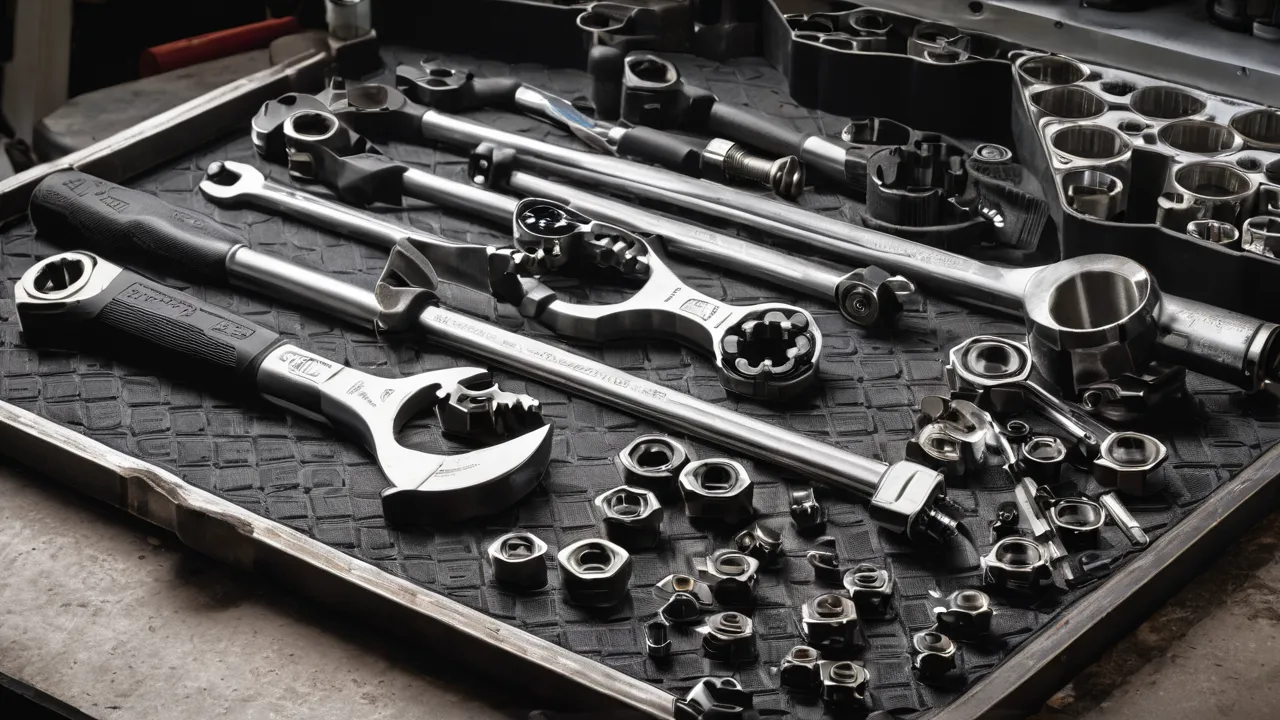
A lifetime warranty on a tool is a promise to repair or replace the tool for as long as the written terms allow, and the terms matter more than the word. Hand tools such as wrenches, sockets and pliers often carry lifetime coverage because they have no electronics to fail, while power tools usually carry a limited warranty measured in years, with shorter terms for batteries. Before relying on any warranty, read the exact wording, because what counts as a covered failure differs from one brand to the next, and confirm the current terms with the maker.
Two Different Promises
Hand tools are simple, and a maker can promise to cover them for a long time. A typical lifetime warranty on a hand tool covers defects in materials and workmanship and may also cover breakage in normal use. Many programs replace a broken tool without a receipt, though some require proof of purchase. A brand can offer this because hand tools fail rarely, and the cost of replacing the few that break is small compared with the goodwill earned.
Power tools contain motors, switches, gears and electronics, all of which wear. Makers cover them for a limited term, commonly a few years, and extend it for some tools if you register the product. Batteries and chargers are typically covered separately and for a shorter period. A longer term does not always mean better coverage, so check what is excluded.
What Lifetime Can Mean
The word is not defined by law the way many people assume. It may mean the lifetime of the original buyer, the useful life of the product, or the period the maker sells it. Look for these points in the written terms:
- Whose lifetime? Some warranties apply only to the first owner and end if you sell the tool.
- What counts as a defect? Covered failures are usually defects in materials and workmanship, while damage from abuse, misuse or modification is excluded.
- Wear items. Sockets and bits that wear from normal use, blades, brushes and consumable parts may be excluded.
- Commercial use. Some terms shorten or void coverage if the tool is used on a job as opposed to at home.
- Proof of purchase. A receipt may be needed for power tools, while a handful of hand tool programs replace a broken tool on sight.
What Is Usually Covered and What Is Not
Covered, in many programs: a cracked ratchet housing, a failed pawl, a pair of pliers whose joint has come apart, a socket that splits under normal torque. Not covered, in many programs: a tool bent from use as a pry bar or chisel, a socket that was hit with a hammer, rust from neglect, a tool that was ground down or modified, damage from fire or flood and theft.
Warranties on power tools add more exclusions: motors burned out by overloading, damage from dropping, water damage, a battery used with a charger that the maker did not specify and tools sent for repair after unauthorized disassembly. Read the claims section and the exclusions as carefully as the headline.
Seven Warranty Mistakes and How to Avoid Them
Mistake 1: Assuming lifetime means forever and unlimited
Lifetime coverage is limited by its own text. It may end when ownership changes, and it may exclude wear. Fix: find the definition in the terms and note whose lifetime applies before you pay extra for the label.
Mistake 2: Skipping the exclusions
Owners read the headline and miss the list of what is not covered. Fix: read the exclusions first, and note wear parts, commercial use limits and misuse clauses. If the page is vague, ask the maker in writing and keep the reply.
Mistake 3: Throwing away proof of purchase
Paper receipts fade, and some programs need one. Fix: photograph the receipt and the serial plate when the tool is new, store the files where you can find them, and register products online when registration extends coverage.
Mistake 4: Buying from an unauthorized seller
A warranty on a socket set does not help if the set was bought from a seller the maker does not recognize. Fix: buy from the maker or an authorized retailer, and check the maker’s site for a list of approved sellers.
Mistake 5: Using the tool in ways the terms exclude
Using a wrench as a pry bar, a hand tool on a job when the terms limit commercial use, or an unlisted charger on a power tool battery can end coverage. Fix: use each tool as intended, and keep notes on any use the maker calls out.
Mistake 6: Treating the warranty as a substitute for quality
A warranty does not stop a tool from failing, and the claim does not pay for the time lost. A great warranty on a poor tool is a bad deal, since you will spend effort on claims. Fix: judge build quality, reputation and repairability first, and use the warranty as a tie-breaker between similar tools.
Mistake 7: Ignoring how claims are handled
A longer term with a mail-in depot can be worse than a shorter one with a nearby exchange point. Fix: check where claims are handled, who pays shipping and how long repairs take. A mechanic who cannot work with a broken wrench may value a fast exchange more than a long term, while a weekend user may be happy with a mail-in claim.
How a Claim Works
The process differs, but a general path looks like this:
- Find the warranty terms in the manual or on the maker’s site.
- Gather proof of purchase if the terms require it, along with the model number and date code.
- Take photographs of the failure and of the tool’s markings.
- Contact the maker or retailer as the terms say. Some hand tool brands let you swap a broken tool at a retailer or through a dealer truck, others require you to ship it.
- Ship the tool if required, using the packing guidance, and keep tracking and receipts.
- Wait for repair or replacement, and note whether you pay shipping or fees.
Keep the original packaging and paperwork for expensive tools. Some makers extend a power tool’s term when you register it within a set number of days after purchase, while others require registration for any claim at all. Keep a list of what you bought, when and from whom, especially for tools you might sell or give away, since transferability varies.
Using the Hand Tool and Power Tool Difference
For hand tools, a lifetime warranty is a reasonable tie-breaker between similar tools, because it reduces your risk of paying twice. For power tools, compare the term, the coverage for batteries and electronics and the availability of service centers. A tool with a shorter warranty and a service center nearby can serve better than a longer warranty that requires shipping across the country.
Brands that offer lifetime coverage may price their tools higher to fund it, and cheaper tools with no warranty may break and be replaced anyway at a lower total cost. Compare the cost of buying two cheap tools against one covered tool, and weigh the hassle of claims. For a socket you use every week, coverage is worth paying for. For a wrench you use once, it matters less.
Questions to Ask Before You Buy
- What does the warranty cover, and for how long?
- Is it limited to the first owner?
- What is excluded, and does home use count differently from commercial use?
- What do I need to make a claim, and who pays shipping?
- Are batteries and chargers covered separately, and for how long?
- Is there a service center or exchange point near me?
Our hand tools category covers the tools where lifetime terms are most common, the power tools category covers limited terms, and the how we review page explains how we weigh ownership factors.
Frequently Asked Questions
Does a lifetime warranty cover normal wear?
Usually not. Lifetime warranties typically cover defects in materials and workmanship, and some cover breakage in normal use, but wear items such as blades, bits and brushes are commonly excluded. Read the exclusions in the written terms, because wording varies from one brand to the next.
Do I need a receipt for a lifetime tool warranty?
It depends on the program. Some hand tool programs swap a broken tool without a receipt, while many power tool claims require proof of purchase and sometimes registration. Photograph the receipt and the serial plate when the tool is new, and confirm the current rules with the maker.
Is a lifetime warranty transferable if I sell the tool?
Often not. Some warranties apply only to the original buyer and end when the tool changes hands. Check the written terms for transferability before you buy a used tool or pass one on, and do not assume coverage travels with the tool.
Are tool batteries covered by a lifetime warranty?
Rarely. Batteries and chargers are usually covered separately for a shorter, fixed term, since cells wear with use. Check the battery section of the manual or the maker’s site for the exact period and for any registration requirement.
Final Thoughts
A lifetime warranty is useful, but only as far as its terms and the maker’s willingness to honor them. Treat it as a tie-breaker on hand tools and a coverage comparison on power tools. Read the exclusions, keep proof of purchase, check how claims are handled and confirm the current policy on the maker’s site before you rely on it.
Related buying guides
- Torque Wrench Types: Click, Beam and Digital Compared
- Hand Tool Care: Preventing Rust and Extending Tool Life
- How to Choose a Screwdriver Set: Tips, Handles and Steel
About the author

The BuyOnceChoice Editorial Team researches durable products worth buying once. Our guides compare published specifications, warranty terms, expert review consensus, and verified owner feedback. We do not conduct our own product trials. See How We Review and our Editorial Policy for our standards.