How Long Does a Stand Mixer Last? Repair and Parts
A stand mixer can last many years when it is not overloaded and parts are available. Learn the wear signs, repair options, and replace-or-fix rule.
 By BuyOnceChoice Editorial Team
Updated November 16, 2026
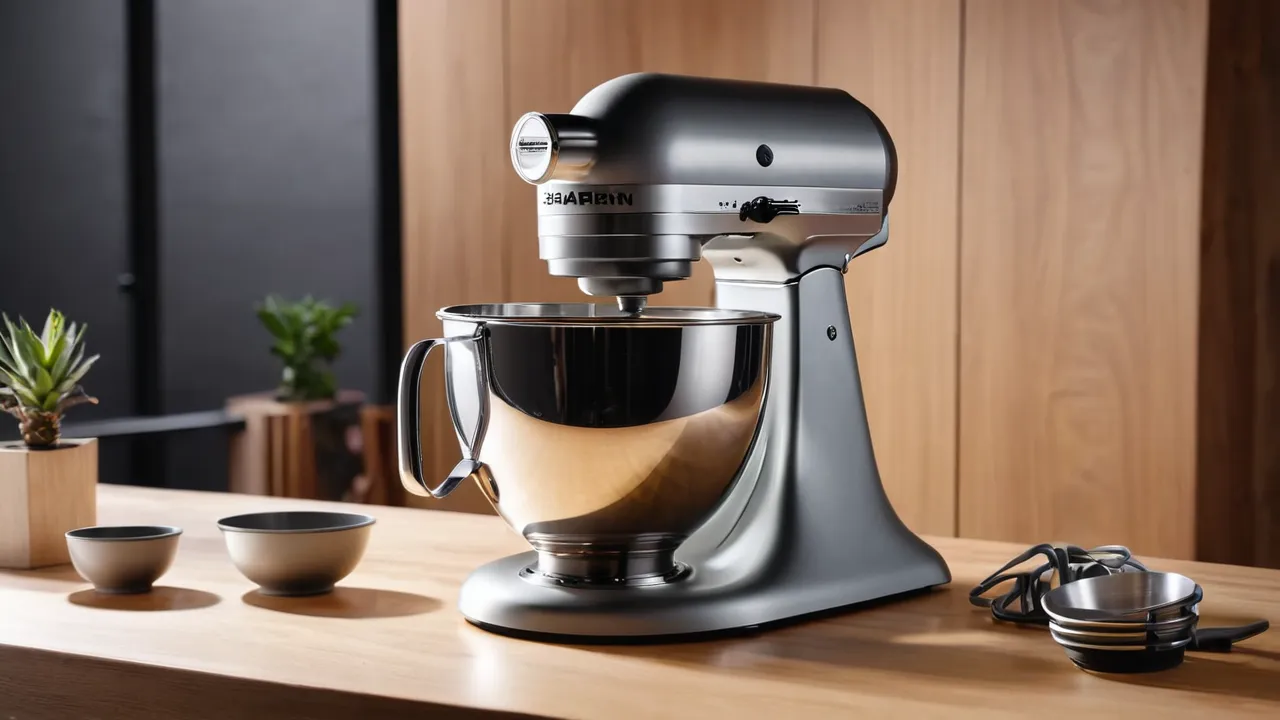
Stand mixer lifespan varies widely, but a well-built all-metal-gear model that is used within its limits can run for many years, often well past a decade, while a lightly built one that is pushed with stiff dough may wear out much sooner. No maker can promise a number, so the useful question is what wears out, how to spot it early, and whether parts and service are available when it does.
What Sets a Stand Mixer’s Lifespan
The core of the machine is the motor and the gear train that turns the attachment. Everything else is a wear item or an accessory. Lifespan depends on three things: the design of the drive, the loads you mix, and how well the machine is maintained.
Drive design matters most. Many mixers use metal gears running in grease, which tolerate heavy dough but eventually need fresh grease as it ages or leaks. Some models use a plastic gear or a plastic coupling as a deliberate weak point, so that a jam breaks a cheap part instead of the motor. That can be a protection feature, and it can also be the first thing to fail if you routinely overload the machine. Check the manual and the maker’s parts list to learn which one you have.
Load is the next factor. Stiff bread dough, double batches of cookie dough, and dense mixtures like stiff bagel dough put the most stress on the drive. A mixer used mostly for cake batter, whipped cream, and meringue will usually last longer than one that kneads heavy dough several times a week. Mixing time matters too. Long kneading sessions at high speed generate heat, and the manual usually states a maximum run time and the recommended speed for yeast dough.
What Wears Out First
Most problems appear in the same order.
- Attachments: coated beaters chip, whisk wires bend, and dough hooks lose their finish. These are cheap and easy to replace.
- Bowl and bowl pins: dents or worn pins can cause wobble or a loose bowl.
- Beater height adjustment: if the beater scrapes the bowl or leaves flour at the bottom, the gap has drifted and may need readjusting as the manual describes.
- Grease: old grease can separate and leak a dark oily film near the attachment hub, which signals that the gearbox needs service.
- Gear train or coupling: grinding, clicking, or a spinning motor with a stalled beater points here.
- Speed control: uneven speed, surging, or a speed that will not hold can come from a worn control or a motor brush problem.
- Motor: the last and most costly part to fail.
Signs the Mixer Is Getting Tired
These changes usually appear before a full failure.
- The motor sounds strained on a load it used to handle easily.
- The head gets hot to the touch during normal kneading.
- You smell hot grease or burning near the vents.
- A dark oily liquid appears around the beater hub or the front of the head.
- The beater wobbles, taps the bowl, or stops turning under load while the motor runs.
- The speed lever no longer produces distinct speeds.
- A tilt-head mixer’s head bounces or shifts during mixing, which can mean a worn hinge or locking mechanism.
Stop and unplug the machine if you smell burning, see smoke, or the cord or plug is damaged. Do not keep running a mixer that is overheating.
Repair and Parts: What to Check Before You Decide
Repair is realistic for many mixers, but only if parts and service exist. Before deciding, check these points.
- Does the maker sell replacement gears, couplings, bowls, and beaters? Look at the official parts page for your model number, which is printed on a label on the base or head.
- Is the machine still under warranty? Motor and gear failures are exactly what coverage is for, so check before you open anything.
- Is there an authorized service center, or are parts sold with instructions? Some failures are a simple fix, such as a replacement coupling, while others need grease replacement and disassembly.
- Is the repair a regular wear item or a motor failure? Wear items are usually worth fixing. Motor failures often are not.
Opening a mixer exposes you to stored grease and sharp parts, and the unit must always be unplugged first. If you are not comfortable with disassembly, use an authorized service center, since mistakes can damage gears or create an electrical hazard. For anything involving the motor or wiring, use a qualified technician.
A Maintenance Calendar That Protects the Gears
Routine care is what separates a mixer that runs for many years from one that fails early. A simple calendar helps.
- After every use: unplug, wipe the head, hub, and base with a damp cloth, and wash the bowl and attachments. Dried batter around the beater hub can work its way into the housing.
- Monthly with regular use: check the beater for chips, the whisk for bent wires, and the bowl for dents. Run the mixer on low with the bowl empty and listen for new noises.
- Every few months: check the beater-to-bowl gap. A common method is to drop a dime or a pinch of flour in the bowl and see whether the beater moves it, then adjust the screw as the manual shows.
- Yearly: if the mixer is heavily used, look for oily residue at the hub and inspect the power cord. Some makers advise periodic gearbox service at an authorized center, so read what yours says.
Warning Signs Worth Acting On Immediately
Not every symptom allows a wait-and-see approach. A burning smell, smoke, a hot housing that you cannot comfortably touch, or a sudden loud grinding call for stopping at once. Unplug the machine and let it cool. A mixer that trips a breaker or has a frayed cord should not be used until a qualified technician has looked at it. Running a failing mixer can ruin a repairable gear train and turn a modest repair into a full replacement.
A Worked Example
Imagine a five-quart tilt-head mixer used weekly for bread. After a few years the owner notices a faint oily film at the hub and a slightly louder hum on low speed. The beater still turns, and the motor does not get hot. This points to aging grease, which is a service item rather than a failed motor. Contacting an authorized service center while the machine is still working keeps the gears from wearing further. If the owner ignores it and keeps kneading stiff dough, the grease can run out and the gears can wear or strip. The repair that would have been routine becomes a parts replacement or a purchase.
Now take a lighter mixer that stalls on every bread dough and smells hot after ten minutes. Here the machine is mismatched to the job, and no repair solves that. The practical answer is to move up to a sturdier model with a larger motor, or to knead by hand or in a food processor if the manual allows it.
Repair or Replace: A Decision Rule
| Situation | Verdict |
|---|---|
| Worn beater, bowl, or whisk | Replace the accessory |
| Beater strikes the bowl | Adjust the beater height per the manual |
| Oily leak at the hub | Service the gearbox if you have a good model |
| Stripped plastic gear or coupling | Repair if the part is sold for your model |
| Motor burnout | Replace unless under warranty |
| Heavy use outgrew the machine | Replace with a larger or sturdier model |
If the machine is a premium model with metal gears and available parts, repair often makes sense because the base keeps its value for years. If the machine is a light model and the repair needs the motor or a rare part, replacement is usually the better path. Also consider fit: a repair is a waste if the mixer was too small for your batches to begin with.
What to Ask When Parts Are the Deciding Factor
Parts availability is the hidden factor in lifespan. A mixer that looks identical on the shelf may differ greatly in how long a maker supports it. Before you buy, look up whether the maker lists replacement bowls, beaters, couplings, and gears for the model, and whether the manual describes owner-level maintenance or directs you to a service center. A model with a long list of available parts is easier to keep running, and it often keeps more of its value if you ever resell it. When parts are not listed, a small failure like a worn coupling can strand the whole machine.
How to Extend Mixer Life
- Stay inside the stated capacity. Most manuals list a maximum flour weight or cups for yeast dough, so follow the figure for your bowl.
- Use the lowest speed for stiff dough, as the manual recommends, and never go to a high speed while the dough is thick.
- Add dry ingredients gradually rather than dumping them in.
- Stop and scrape instead of letting the beater fight a stuck mass.
- Let the motor rest between big batches if the head feels hot.
- Keep vents clear and wipe splatters off the head and hub right away.
- Wash accessories by hand if the coating is not dishwasher safe, and dry them thoroughly.
- Check the beater gap occasionally and adjust per the manual.
If you are shopping, see our stand mixer guides and the best stand mixer roundup to match capacity and drive type to your use. Our How We Review page explains how we compare products using published specifications and research.
Frequently Asked Questions
How many years should a stand mixer last?
There is no guaranteed number. A sturdy mixer used for cakes and cookies can last well beyond ten years with basic care, while a lighter model used for heavy dough may fail much sooner. Judge by drive design, load, and parts availability instead of age alone.
Is it worth repairing an old stand mixer?
Yes if the failed part is a gear, coupling, bowl, or beater that the maker still sells, and the motor is healthy. Skip repair if the motor has burned out or parts are no longer available, since those costs rarely justify the result outside warranty.
Why is my stand mixer leaking oil?
A dark oily film near the beater hub usually means old grease is separating and leaking from the gearbox. It often signals that the grease needs replacing. Check your warranty, then use an authorized service center, because opening the housing yourself risks damaging gears.
Can I use a stand mixer for bread dough every week?
Often yes, if you stay within the stated flour capacity, use the speeds the manual recommends, and avoid long high-speed kneading. A model with metal gears and a motor sized for dough handles this best. Watch for heat and strain, which suggest the load is too large.
Final Thoughts: Buy for the Heaviest Load You Mix
A stand mixer lasts longest when its drive matches what you ask of it. Choose a model with available parts, stay within capacity, and treat grease leaks and strained noises as early warnings. Repair wear items, and replace the machine when the motor or your batches outgrow it.
Related buying guides
- How to Clean a Blender Without Dulling Blades
- Stand Mixer for Bread Dough: Capacity Limits Checklist
- Stand Mixer Size Guide: Bowl Quarts by Batch
About the author

The BuyOnceChoice Editorial Team researches durable products worth buying once. Our guides compare published specifications, warranty terms, expert review consensus, and verified owner feedback. We do not conduct our own product trials. See How We Review and our Editorial Policy for our standards.