Cookware Buying Mistakes That Cost You Twice
Most repeat cookware purchases trace to a handful of mistakes: wrong size, wrong cooktop fit, set padding, and skipped care. Here is the checklist.
 By BuyOnceChoice Editorial Team
Updated November 16, 2026
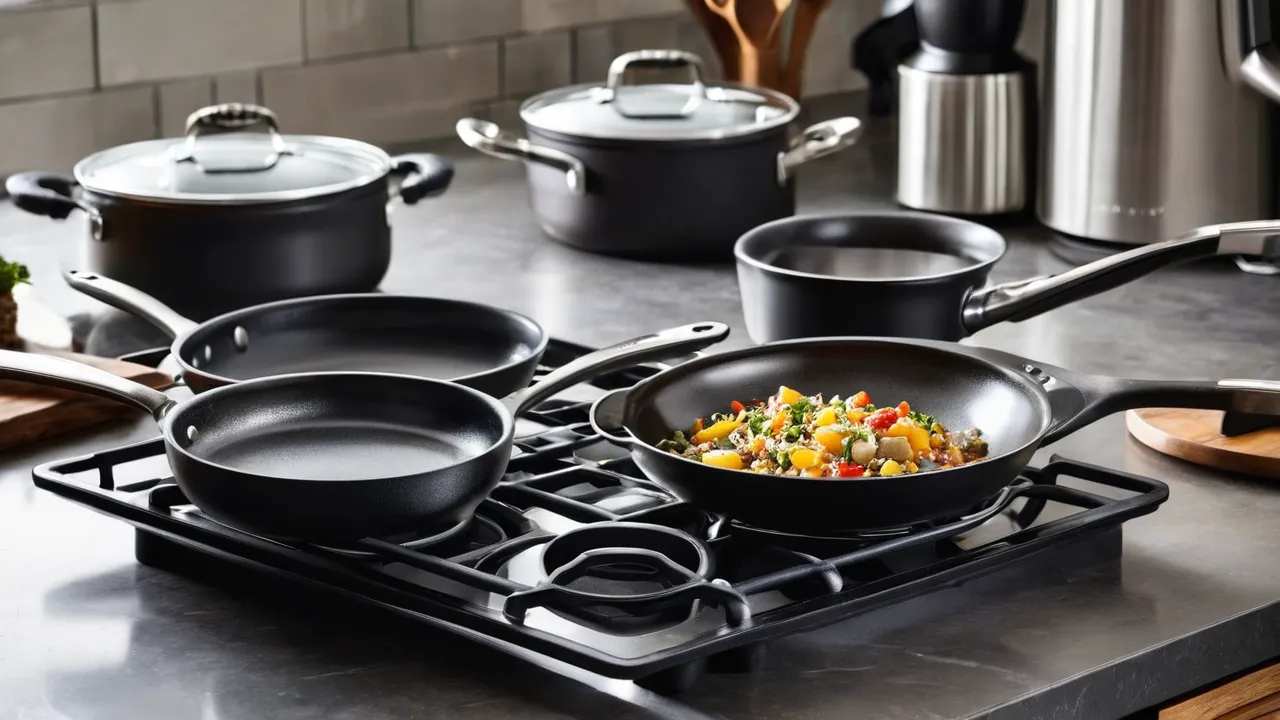
The cookware buying mistakes that make you buy twice are choosing by piece count, picking the wrong size, ignoring your cooktop, relying on coatings as a long-term fix, skipping care instructions, overlooking handles and lids and trusting vague claims. Each mistake below comes with a fix, so you can buy fewer pieces that fit your kitchen and last.
Why Cookware Mistakes Are Repeat Purchases
Cookware is used every day, so small flaws show up fast. A pan that warps, a lid that does not fit or a coating that peels leads to a replacement, and the original money is lost. Because cookware lasts for years when chosen well, the cheapest option is usually the one you buy once. Our cookware overview covers the categories, and this guide collects the errors that cause the most repeat purchases.
The Seven Mistakes and the Fix for Each
Mistake 1: Buying for the Piece Count
A set that advertises twenty pieces may count each lid and utensil separately, and may include several sizes you will never use. The count says little about quality. Fix: list the pans you actually use, such as a skillet, a saucepan and a large pot, and buy those. A few well-made pieces beat a large set of thin ones.
Mistake 2: Choosing the Wrong Size
A pan that is too small crowds food and steams it, and one that is too large heats unevenly on a small burner and is hard to store. Fix: choose sizes by how many people you cook for and the size of your burners and oven. A 10 or 12 inch skillet, a 2 to 3 quart saucepan and a 5 to 7 quart pot or Dutch oven cover most households. Check our Dutch oven category for how pots are sized.
Mistake 3: Ignoring the Cooktop
Cookware that does not suit your cooktop performs poorly or does not work. Induction needs magnetic bases, glass tops need smooth, flat bottoms and gas flames can scorch handles and thin sides. Fix: check your cooktop type before you buy, look for an induction mark if relevant and read the manual for limits on weight and pan size. A flat, stable base matters on any cooktop.
Mistake 4: Choosing Coatings as a Long-Term Solution
Nonstick coatings wear out, and a coated pan is a consumable, not a lifetime purchase. Overheating, metal utensils, dishwashers and abrasive pads shorten life. Fix: use nonstick pans for eggs and delicate foods only, treat them gently and plan to replace them. For long-term pans, choose stainless, cast iron or carbon steel, and learn their care.
Mistake 5: Skipping Care and the Manual
Many pans fail from misuse, not poor build. Putting cast iron in the dishwasher, heating an empty nonstick pan on high or shocking a hot pan in cold water all cause damage. Fix: read the care sheet, note temperature limits, follow cleaning advice and keep the paperwork. A few minutes of reading protect the warranty and the pan.
Mistake 6: Overlooking Handles and Lids
A handle that gets hot, loosens or is uncomfortable, or a lid that does not fit, makes cookware annoying even if the pan is excellent. Fix: check handle material, attachment and oven safe temperature, and check that lids fit tightly and are included. Hold the pan if you can, and think about weight when full.
Mistake 7: Trusting Vague Claims
Phrases like “professional grade,” “premium alloy” and “lifetime durable” mean nothing without details. Fix: look for specific information such as materials, layers, thickness, weight, oven safe temperature and warranty terms. If the product page lists only adjectives, ask the seller or look elsewhere.
A Checklist Before You Buy
- Which dishes do I cook most, and which pans do they need?
- What size burners, oven and storage do I have?
- Is the pan compatible with my cooktop?
- Is the material suited to my care habits?
- Are handles and lids comfortable, secure and oven safe to the temperatures I use?
- Is the weight manageable when the pan is full?
- What does the warranty cover and exclude?
- Can I return it if it does not work?
If you cannot answer one of these, it is worth finding out before you buy.
A Worked Example
A couple buys a 15-piece nonstick set because the price per piece looks low. Within a year, the skillet’s coating scratches and food sticks, two of the lids do not fit and the large pot is too big for their burner. They replace the skillet and buy a separate saucepan. A second couple buys a stainless skillet, a saucepan with a lid and a Dutch oven, each chosen for their cooktop and the dishes they cook. The total cost is similar, but the second couple still uses all three pieces years later. The first spent twice because they bought by count, not by use.
How to Read a Product Page Without Being Misled
A good product page tells you what the pan is made of, how it is built and what it can do. Look for the material of the cooking surface and the body, the number and type of layers in clad pans, the base thickness or weight, the oven safe temperature of the pan, lid and handle, the cooktop compatibility and the warranty terms. Pages that give these details are usually more trustworthy than pages that give only slogans.
Be careful with before-and-after claims such as “heats three times faster” or “stays cool handles,” which often compare to an unnamed baseline. Treat star ratings with caution too, since people review a pan in its first weeks, long before a coating wears out or a base warps. Search for comments from owners who have used the pan for a year or more, and look for patterns in what they report, such as warping, peeling or loose handles. When a page has no details at all, the safest approach is to move on.
Also check what is included. Some sets count lids and utensils as pieces, and some leave out the lids. A pan sold without a lid may need a separate purchase, and a lid that is sold separately may cost as much as the pan. Add up the real cost of what you will use.
Material Basics That Prevent Regret
Different materials suit different jobs, and most mistakes come from using one in the wrong role. Stainless steel is durable, non-reactive and good for searing and sauces, but food can stick without proper preheating. Cast iron holds heat and lasts for generations, but it is heavy and needs seasoning. Carbon steel is lighter and responsive but also needs seasoning. Enameled cast iron suits braises, soups and bread without seasoning, but the enamel can chip. Nonstick suits eggs and delicate foods and wears out. Aluminum conducts heat well and is light, but bare aluminum can react with acidic foods and often is used as a core or with a coating.
Match the material to the habit. If you do not want to wash by hand, avoid cast iron and carbon steel. If you cook on high heat, avoid nonstick. If you want the lightest pan possible, avoid cast iron. If you simmer acidic sauces, avoid bare iron and untreated aluminum. These small rules prevent most of the regrets in the list above. See how we review for how we weigh claims about materials.
Which Mistakes Cost the Most
The costliest repeat purchases come from coatings, wrong sizes and ignoring the cooktop, since each makes a pan useless or short-lived. Buying by count wastes money but leaves some usable pieces. Poor care shortens life, and vague claims hide the problems. If you can only fix a few habits, check your cooktop, buy a few pieces in the right sizes and plan nonstick pans as replaceable.
Also consider the second-order cost: time. A pan that sticks, warps or heats unevenly costs time every day, and a pan that is hard to clean may go unused. Judge cookware by how easy it is to use, not only by how it looks in the box.
If you remember only one thing from this list, make it this: buy for the food you cook this month, not the food you imagine cooking someday. Most repeat purchases come from aspiration, such as a specialty pan for a recipe tried once, or a large set for a dinner party that never happens. Reality-based buying, backed by a quick check of cooktop, size and care, is the cheapest habit in the kitchen.
Frequently Asked Questions
What is the biggest cookware buying mistake?
Buying by piece count instead of by use. Large sets often contain thin pans, duplicate sizes and pieces you rarely touch. List the pans you use, buy those in good quality and add pieces only when a real need appears.
Is a nonstick pan a good long-term purchase?
Not as a long-term pan. Nonstick coatings wear out with heat, utensils and washing, so treat the pan as a replaceable item for eggs and delicate foods. For decades-long use, choose stainless steel, cast iron or carbon steel.
How do I know what cookware size to buy?
Match size to your household, burners and oven. A 10 or 12 inch skillet, a 2 to 3 quart saucepan and a 5 to 7 quart pot cover many kitchens. Check that the base fits your burner and that you can lift the pan when full.
Does a lifetime warranty mean the cookware will last?
Not necessarily. Warranties usually cover defects, not normal wear or misuse, and may require proof of purchase and shipping costs. Read the terms and judge the build quality too. Good materials and proper care matter more.
Final Thoughts
Avoid repeat purchases by buying for your cooking, not the piece count, matching sizes and cooktop, treating coatings as consumables and reading care instructions. Check handles, lids and specific claims, and buy fewer, better pieces.
Related buying guides
- Cookware Lifetime Warranty: What It Really Covers
- Cookware Set vs Buying Pieces Individually
- Core Cookware Checklist: Pans You Actually Need
About the author

The BuyOnceChoice Editorial Team researches durable products worth buying once. Our guides compare published specifications, warranty terms, expert review consensus, and verified owner feedback. We do not conduct our own product trials. See How We Review and our Editorial Policy for our standards.