How to Choose a Leather Bag: Hardware, Stitching and Lining
Judge a leather bag on its weakest parts: stitching, edges, zippers and strap attachments. Includes a buy-once checklist and who should skip leather.
 By BuyOnceChoice Editorial Team
Updated November 16, 2026
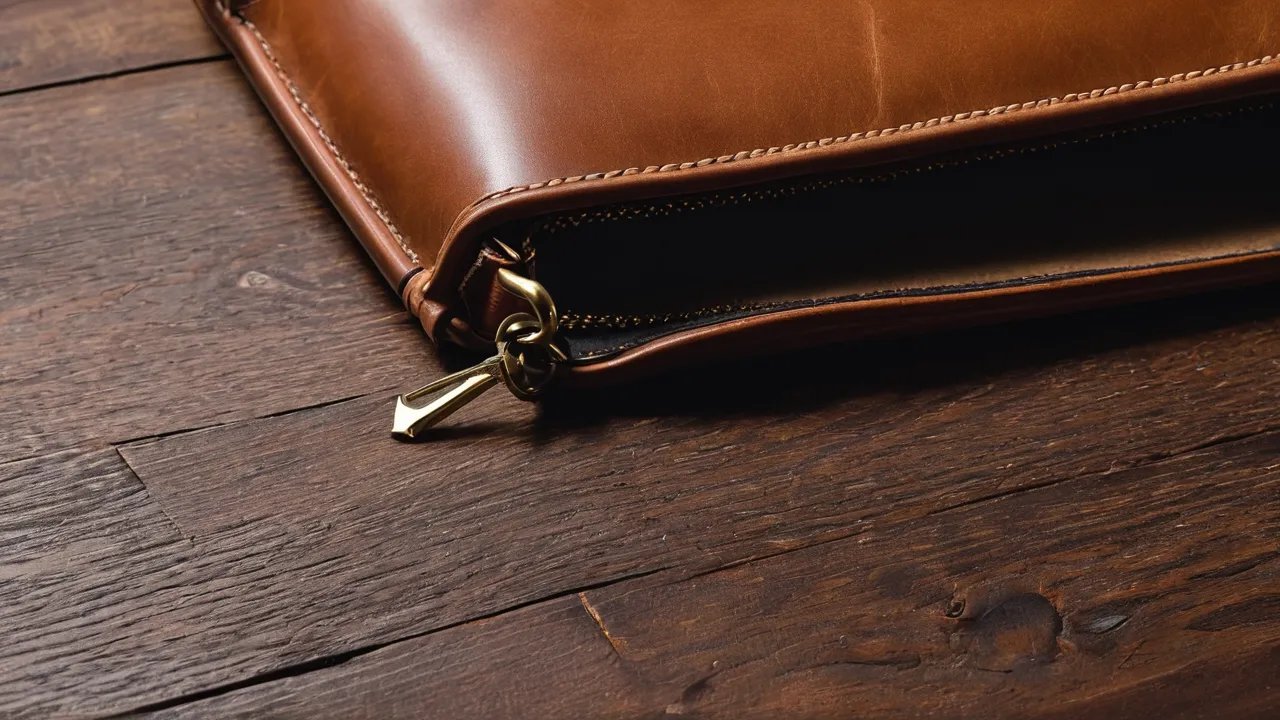
How to choose a leather bag starts with the weakest parts, not the leather. Straps, stitching, edges, zippers and hardware fail long before a good hide does, so inspect those first, then confirm the grade of leather, then check that the size and shape suit what you carry. A bag with good leather and poor construction will fail at a seam.
Start with what you carry
A bag is a tool, so define the job. List what goes in it on an ordinary day: laptop, charger, notebook, water bottle, gym clothes, a lunch. Note the weight, the longest item and whether you need to reach things quickly.
Then decide how you carry it. Shoulder bags and messenger bags put weight on one side, which suits light loads. Backpacks spread weight across both shoulders and suit heavier loads or long walks. Totes are easy to access but offer little security. Briefcases keep documents flat in a structured shape. If you carry a laptop, check that the internal dimensions match the device and that the bag offers padding or a sleeve. Our guide to leather goods shows how bags and small goods are grouped, and if you want a backpack for work, our executive backpack roundup covers that format.
Weight, balance and comfort
Leather is heavier than nylon, and an empty leather bag can weigh a significant part of your load. Lift the bag with items inside and walk around. Check that it balances and does not sag to one side. Strap width and padding matter, since a thin strap digs into the shoulder. If you carry a heavy load, favor a wider strap or a backpack format.
Matching the bag to your carry
Work through three quick examples. A commuter with a laptop, a charger and a notebook needs a structured bag with a padded sleeve, a wide strap and sealed edges, and a backpack or a briefcase with a shoulder strap fits better than a loose tote. A person who carries only a phone, wallet and keys a few days a week can use a small crossbody or satchel in thinner leather, and weight is not a concern. A traveler needs a bag that sits flat on a seat, has a zipper that closes fully and can be locked or secured, and a leather duffel or weekender with reinforced handles meets that need if the hardware is solid.
Measure rather than guess. Lay your laptop on the floor and note its length and width, then compare with the bag’s internal dimensions, allowing room for the sleeve. If the listing only gives external dimensions, subtract for thick leather walls and padding. A bag that fits with the zipper strained will fail at the zipper first.
Check the stress points first
Bags fail where weight concentrates. Examine these areas in order.
Strap attachments
Look at where the strap meets the bag. Strong designs use reinforced patches, rivets or stitching that passes through multiple layers. A strap held by a thin loop of leather and a single row of stitches is a weak point. Pull gently on the strap while the bag is empty and see whether the attachment shifts.
Handles
Handles carry weight at a single point. Check that they are stitched through the body in a box or X pattern, not just glued. A thick, rolled handle often lasts longer than a thin flat one.
Stitching
Look for straight, even stitches with no skipped spots, tight thread and backstitching at the ends. Thread should be heavy enough to look substantial. Loose threads, wavy lines and stitches that cut the leather suggest poor workmanship.
Edges
Cut edges should be smooth and sealed, either burnished or painted evenly. Cracked, peeling or fuzzy edges are a sign of wear to come. Lined bags should have clean seams where the lining meets the leather.
Zippers and hardware
Zippers should run smoothly without catching. Metal zippers with sturdy teeth tend to last longer than thin ones. Buckles, rings and clasps should feel solid, not hollow. Plating can chip, so look for hardware that is solid metal where it counts. A smooth zipper in the store does not guarantee years of use, but a sticky one is a clear warning.
Hardware deserves a second look because it is the part most buyers skip. Rivets should sit flush and tight, and rings that hold a strap should be welded rather than split, since a split ring can open under load. Check that buckles move freely but hold a fixed position, and that magnetic or snap closures grip firmly. Look at the bottom of the bag as well. Feet or a reinforced base keep leather off wet floors, and a bag without them wears fastest at the lower corners. If the bag has a structured base insert, make sure it is firm, since a collapsed base makes the whole bag sag.
Leather grade and finish
Grade affects aging and repair. Full grain keeps the strongest layer and ages with a patina. Top grain is smoother and more uniform, often with a heavier finish. Corrected, split and bonded leathers sit lower and may peel or crack. Our buying guides link to material explainers if you want a closer look at how these labels work.
Look at thickness too. A thin hide may feel soft and light but can wear through at corners and folds. A very thick hide may be stiff and heavy. Pick a thickness that matches the bag’s purpose: a structured briefcase can be firmer, while a bag that is stuffed daily needs flexibility.
Finally, ask about the finish. A heavy coating may resist stains but crack at the corners, and a light finish ages better but needs care. Unfinished leather darkens with water and may spot, while a coated finish sheds light rain. Neither replaces a rain cover on a wet commute. Check whether the maker explains how to maintain the finish.
Lining, pockets and interior
Open the bag and look inside. A good lining is stitched cleanly, with no glue marks or puckering. Fabric linings should be tightly woven. Pockets should be sized for the items you carry, with a place for keys and a phone that does not require digging. Internal organization saves wear, since items that bounce around scratch the lining and the leather. If you carry a laptop, look for a padded sleeve with a closure.
A buy once checklist
- The strap attachments are reinforced and can be replaced or repaired.
- Stitching is even, tight and backstitched at stress points.
- Edges are smooth and sealed, with no cracking.
- Zippers run smoothly and the hardware feels solid.
- The leather grade is stated, and full or top grain is preferred.
- The interior is cleanly finished and fits your items.
- The maker offers repair, replacement parts or a clear policy.
- The bag suits your daily load without excess weight.
Replacement and repair matter for a bag you want to keep. Ask whether the maker supplies new straps or repairs stitching, and find a local leather repair shop. A bag that can be repaired is a better long term purchase than one that cannot.
Care in brief
Keep the bag away from direct heat and prolonged sun, wipe it clean, and use a conditioner suited to the leather. Stuff it lightly when stored so it keeps its shape. Salt and sweat can mark leather, so wipe the bag when it gets damp and let it dry away from heat. Do not overload it, since stretched handles and sagging bottoms are common failures. Hang the bag on a hook when you can instead of setting it on wet floors.
Who should choose leather and who should skip it
Choose leather if you want a bag that ages, can be repaired and suits professional settings, and if you can carry the extra weight and do light care. Skip leather if you carry heavy loads on long walks, if you commute in heavy rain without cover, or if you need low weight above all. A nylon or canvas bag may suit those uses better. Skip bags with vague descriptions, bonded leather or glued only construction. For how we judge quality claims, see our review approach.
Frequently Asked Questions
What should I look for first when buying a leather bag?
Check the stress points before the leather: strap attachments, handles, stitching, edges and zippers. These fail first. Then confirm the leather grade and finish, and make sure the size and format fit your daily load. Construction decides whether good leather survives.
Is full grain leather worth it for a bag?
Often, for a bag you plan to keep. Full grain keeps the strongest layer, ages with a patina and takes repair well. Top grain can be a good choice if you prefer a uniform, easier to clean surface. Ask the seller for the grade in writing.
How can I tell if a leather bag is well made?
Look for even stitching with backstitching at stress points, reinforced strap attachments, sealed edges, smooth zippers and a cleanly finished lining. Pull gently on the strap and handles while the bag is empty. Loose threads and cracked edge paint are warning signs.
Are leather bags too heavy for daily use?
They can be. Leather is heavier than nylon, so an empty leather bag adds weight before you pack anything. Lift it with your usual load and walk around. If weight matters most, consider a lighter material or a backpack format that spreads the load.
Final Thoughts
Inspect stress points first, confirm the leather grade, and choose a size and format that fit your real load. Favor bags that can be repaired, and skip leather when weight or weather matters more than appearance. A bag that you can fix will outlast one that looks good on day one.
Related buying guides
- How to Clean and Condition a Leather Bag
- Leather Bag Color Combinations: Hardware and Outfits
- Leather Conditioner vs Oil vs Wax: What Each Does
About the author

The BuyOnceChoice Editorial Team researches durable products worth buying once. Our guides compare published specifications, warranty terms, expert review consensus, and verified owner feedback. We do not conduct our own product trials. See How We Review and our Editorial Policy for our standards.