6 Inch vs 8 Inch Work Boots: Which Height Fits Your Job
Taller does not automatically mean safer. Compare shaft height on support, heat, break-in and ladders, then follow one simple rule by job type.
 By BuyOnceChoice Editorial Team
Updated November 16, 2026
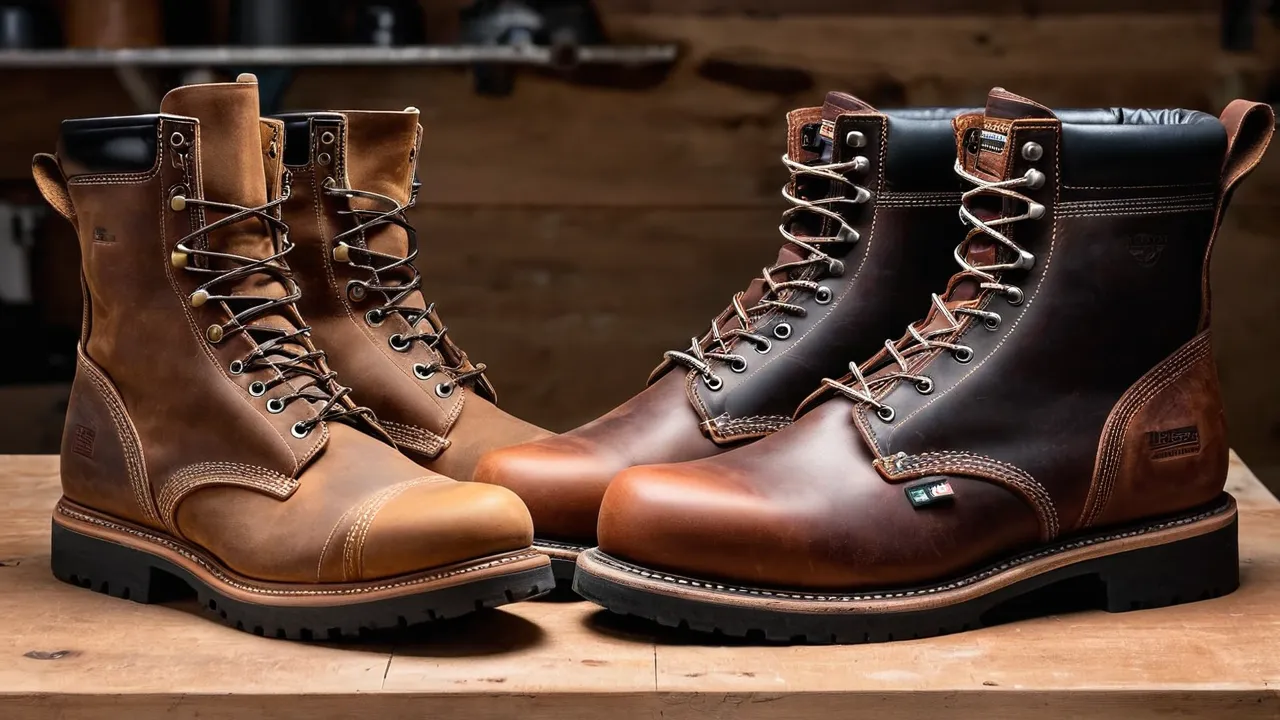
The 6 inch vs 8 inch work boots question is about shaft height: a 6 inch boot ends near the ankle and moves more freely, while an 8 inch boot rises toward the lower calf and covers more of your leg. For most people who walk, drive, kneel or climb ladders, 6 inch is the easier daily boot. An 8 inch boot suits people who work in mud, gravel, snow or brush and want the extra coverage.
What the height measures
Shaft height is measured from the arch of the boot up to the top of the shaft. A 6 inch boot ends around the ankle bone or just above it, while an 8 inch boot rises a few inches higher, closer to the lower calf. Makers measure slightly differently, and the shaft gets taller as the size goes up, so treat the numbers as approximate and check the product details.
Height is separate from other features. A boot of either height can have a safety toe, waterproofing, insulation or a particular sole. When you compare heights, compare boots that are otherwise similar, or you will blame the height for differences that come from construction, leather thickness or lining.
A quick way to see the difference on your own leg is to measure from the floor up your calf with a tape. Mark where 6 inches and 8 inches land, and notice whether the 8 inch mark falls on a bulge of muscle. If it does, a tall boot has to fit that part of your leg as well as your foot.
Ankle support: what height does and does not do
The most common claim is that taller boots protect against rolled ankles. The reality is more modest. Ankle stability comes from the stiffness of the boot, the lacing, the fit and the strength of the wearer’s lower leg, not only from height. A tall boot made of soft leather and loosely laced offers little support, and a well-built 6 inch boot with a firm heel counter and snug lacing can feel more stable.
Height does help in two ways. More eyelets and more leather around the lower leg let you lock the ankle in place if you lace firmly, and a taller shaft keeps debris from dropping into the boot. But a rigid, tall boot can limit ankle flex, which matters when you crouch, climb or kneel.
If you have a history of ankle injuries, ask a health professional about support. A boot is not a substitute for medical advice or a brace prescribed for you.
Heat, break-in and weight
Height changes comfort in predictable ways.
- Heat: more leather around the lower leg traps more heat. In hot climates or warm shops, an 8 inch boot can feel noticeably warmer.
- Break-in: taller leather shafts take longer to soften, and they can rub the shin or calf until they do.
- Weight: more material adds weight, which you feel over a full day of walking.
- Flexibility: taller boots can restrict ankle motion until broken in.
- Putting on and taking off: taller boots usually have more eyelets and take longer to lace and unlace.
None of these is a deal breaker alone, but they add up over long shifts, and a boot you dread putting on is a boot you will skip.
Ladder work, kneeling and driving
Different tasks change the verdict.
Ladders and scaffolds
A defined heel and a firm shank matter more than shaft height. Some workers prefer 8 inch boots because the extra leather protects the shin when climbing, while others prefer 6 inch because they move more freely. Choose based on how the boot fits at the ankle and how the arch feels on a rung.
Kneeling and crouching
Taller shafts can press behind the knee or limit bending, especially in stiff leather. Floor installers and plumbers often favor lower shafts for this reason, though preferences vary. If you kneel for long stretches, check that the top of the shaft does not dig into the back of your calf when your knee is fully bent.
Driving
Long drives are easier in a lighter, lower boot because pedal feel and ankle movement are better. If you drive a lot between sites, a 6 inch boot is usually more comfortable.
Lacing for each height
Lacing changes how a boot of either height feels. On a 6 inch boot, a snug lace at the ankle and a looser lace over the forefoot keeps the heel seated without crushing the toes. On an 8 inch boot, lace the lower section firmly and leave the upper section slightly looser so the shaft does not press on your calf. Some taller boots have speed hooks at the top for quick adjustment. If the top of the shaft rubs, loosen that section or wear a sock that reaches above the boot line so leather does not touch skin.
Fit at the calf and the instep
Taller boots add one more fit variable: the calf. If you have muscular or wide calves, an 8 inch boot may feel tight at the top even when the foot fits. Try the boot with your work pants worn the way you normally wear them, and walk up and down stairs. Pant legs that bunch above a tall boot can rub and bind, so check how the cuff interacts with the shaft.
What does not change with height
Several things stay the same across heights, and they are often more important than the number. Construction and resolability depend on how the sole is attached, not on shaft height. Safety toe ratings and hazard codes are marked on the tag, and either height can carry them. Waterproofing depends on the membrane or the leather treatment. Sole compound and tread decide traction.
If you are comparing two boots, line up these features first, then ask whether the extra two inches of leather makes sense for your work.
Mud, snow and debris
Coverage matters most where the ground is loose. In gravel, mud, snow or brush, a taller boot keeps debris out and keeps water from splashing over the top. If you work on a muddy construction site, in a field or in deep snow, an 8 inch boot or a tall waterproof boot may be worth the extra warmth. Gaiters or pant cuffs worn over a 6 inch boot can serve some of the same purpose. Our work boots category covers waterproofing and sole choices.
A simple rule and who should skip which
Use this order:
- If you walk a lot, drive, kneel, or work in warm conditions, choose 6 inch.
- If you work in loose ground, mud or snow and want more coverage, choose 8 inch.
- If you climb ladders, choose the height that locks your ankle at the fit you prefer, and pay attention to heel and shank.
- If you have wide calves or a high instep, try both and use the one that does not press at the shaft.
- If you are unsure, start with 6 inch, since it is easier to break in and usually costs less.
Check any employer requirements before choosing, since some sites specify protection above the ankle. Our buying guides cover related fit topics.
Skip 8 inch if you work in heat, drive for long stretches, or kneel for much of the day. Skip 6 inch if you work in deep mud or snow and constantly deal with debris falling into your boots. Skip either if your employer requires a specific height or protection. For how we weigh claims like “extra ankle support”, see our review approach.
Frequently Asked Questions
Are 8 inch work boots better for ankle support?
Not automatically. Support depends mostly on stiffness, heel counter design and lacing, not on shaft height alone. A firm 6 inch boot laced snugly can hold the ankle better than a soft 8 inch boot. Taller boots help most when you lace the whole shaft and the leather is stiff enough to resist side motion.
Is a 6 inch work boot good for walking all day?
Yes, for most people. A 6 inch boot weighs less, flexes more easily at the ankle and runs cooler, which helps on long shifts on concrete or in warm shops. Pair it with a cushioned insole and socks that wick moisture, and check that the heel stays seated when you walk.
Do 8 inch boots take longer to break in?
Usually, yes. More leather means more area that has to soften, and the top of the shaft can rub the shin or calf at first. Wear them for short stretches, loosen the upper lacing if needed, and use thicker socks that reach above the collar until the leather relaxes.
Which height is better for wet or muddy work?
An 8 inch boot, if it is waterproof. The higher shaft keeps splashes and loose debris from entering at the collar. Remember that the waterproofing itself comes from the membrane or leather treatment, so height alone will not keep your feet dry if the boot is only water resistant.
Final Thoughts
Height changes coverage, warmth and break-in time more than it changes ankle protection. Choose 6 inch for movement and comfort, 8 inch for loose ground and debris, and pick the height that fits your calf and your tasks. Fit, a firm heel counter and good lacing matter more than the number.
Related buying guides
- ASTM F2413 Safety Toe Ratings Explained: I/75 C/75 and More
- Boot Resole Cost: What You Will Pay and When It Pays Off
- EH Boots Explained: What Electrical Hazard Covers
About the author

The BuyOnceChoice Editorial Team researches durable products worth buying once. Our guides compare published specifications, warranty terms, expert review consensus, and verified owner feedback. We do not conduct our own product trials. See How We Review and our Editorial Policy for our standards.