What a Lifetime Luggage Warranty Really Covers
A clause-by-clause checklist for reading a lifetime luggage warranty, including airline damage, wheels, transfers, proof of purchase, and who pays shipping.
 By BuyOnceChoice Editorial Team
Updated November 16, 2026
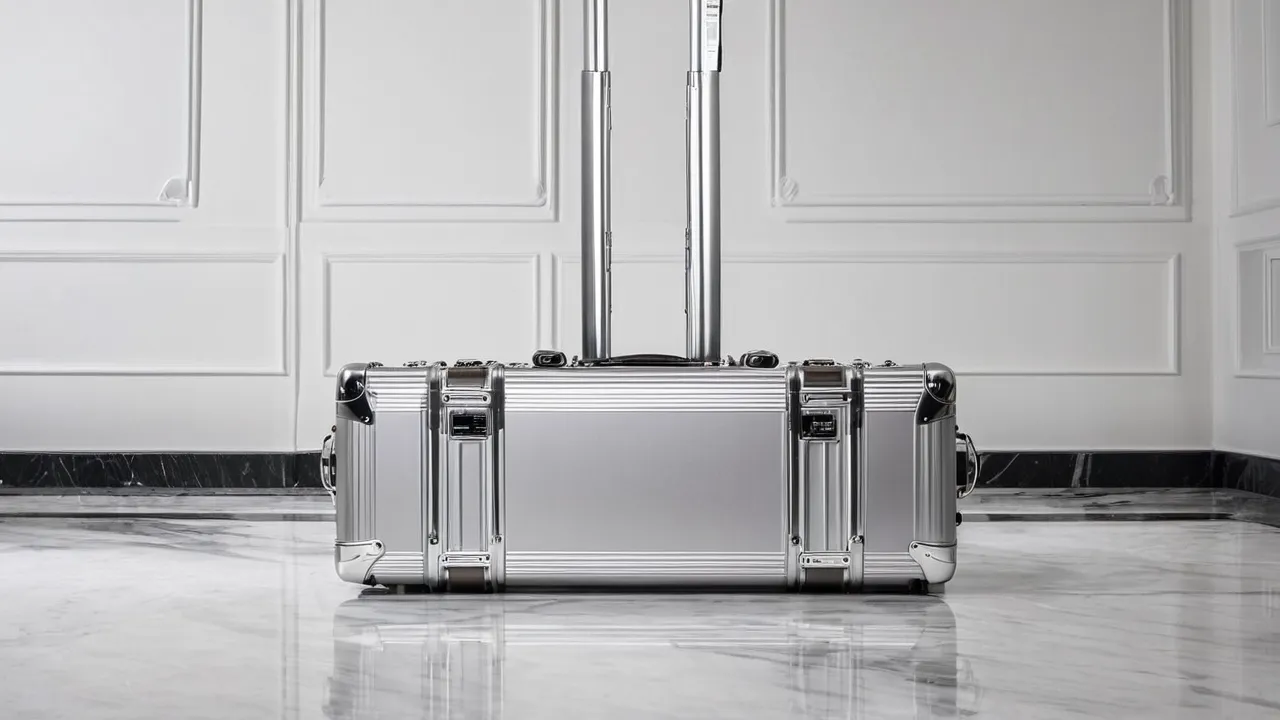
A luggage lifetime warranty usually covers manufacturing defects for the life of the bag, not every kind of damage, and the details in the fine print decide whether it is worth anything. Most policies exclude airline damage, normal wear, and misuse, and many require proof of purchase and ask you to pay shipping. Read the clauses before you buy, because the word lifetime describes the length of the coverage, not the scope. The checklist below shows what to look for and what to ask.
What lifetime usually means
Lifetime generally refers to the life of the product or the original owner, depending on the maker. It does not promise that the bag will be replaced forever. Some policies define lifetime as a fixed number of years, and others say it ends when the product is discontinued. The definition is in the warranty text, which you should read, not in the marketing headline.
The scope is typically limited to defects in materials and workmanship. A defect is a problem that existed because of how the bag was made, such as a zipper that separates under normal use or a handle that fails without abuse. Damage from baggage handling, overloading, or accidents is often excluded.
Ask whether the policy covers repair or replacement and who decides. Many makers reserve the right to repair first and replace only if repair is not possible, and some offer a comparable model when the original has been discontinued.
Clause checklist
Use this list when you read a warranty.
- Who is covered: original purchaser only, or later owners too.
- What is covered: defects in materials and workmanship, or also wear.
- Airline damage: covered, excluded, or covered through a separate program.
- Wheels, handles, and zippers: covered, partly covered, or excluded as wear parts.
- Transfers: whether the warranty passes to a gift recipient.
- Proof of purchase: receipt, registration, or serial number required.
- Shipping: who pays to send the bag in and back.
- Claim process: online form, mail-in, or authorized repair center.
- Time limit to file: some policies require you to file within a set period after the damage.
Compare policies using the same checklist. That makes differences visible and keeps marketing from deciding for you.
How to Judge Each Clause
A checklist only helps if you know what a good answer looks like. Use this table when you read a policy.
| Clause | Good sign | Red flag |
|---|---|---|
| Definition of lifetime | Stated plainly: life of the product or original owner | Left undefined or tied to discontinuation |
| Wheels and handles | Named as covered, or parts sold at a stated process | Excluded as wear with no parts offered |
| Airline damage | Covered, or a separate repair program is described | Silent on the topic |
| Claim process | Online form, clear steps, named timelines | Requires phone calls to learn the terms |
| Shipping | Maker pays or a local partner is allowed | Owner pays both ways |
| Proof | Receipt or order number accepted | Original packaging or tags required |
Score each clause as good, unclear or red flag. Two or more red flags on the clauses that matter most for how you travel, usually wheels, handles and airline damage, mean the word lifetime is doing marketing work.
Verdict by buyer type: a frequent flyer who checks bags should weigh wheels, handles and airline damage most; a gift buyer should weigh transferability and proof; an occasional traveler should weigh the basic defect coverage and keep the receipt.
Airline damage, the biggest gap
Airline damage is the most common way luggage breaks, and warranties often exclude it. The usual position is that the airline is responsible for damage during carriage, and the maker covers only defects. Some brands offer a separate repair program for airline damage, sometimes at a cost.
If you check bags often, ask how the maker treats airline damage and whether it offers repairs. Also learn the airline’s own process. Airlines generally require you to report damage within a short window, often at the airport or soon after, and they may repair or reimburse under their policy. Because rules vary, check the carrier’s page and keep documentation, such as photos and the baggage claim tag.
Do not assume that a lifetime warranty makes you whole after airline damage. Treat it as protection for defects and treat airline claims as a separate step.
Wheels, handles, and wear parts
Wheels and handles are the parts that fail most often, and policies handle them differently. Some warranties cover them for the life of the bag, some for a limited number of years, and some exclude them as wear items. Read the exact wording.
Also check whether the maker sells replacement parts or services wheels. A policy that excludes wheels but sells them cheaply is better than one that covers wheels in theory but requires you to send the bag away for weeks. Our luggage sets category shows how makers describe support across sizes.
Zippers are a similar case. Some policies treat zipper failure as a defect, and others treat it as wear if the bag was overpacked. Pack within the stated capacity to avoid giving the maker a reason to deny a claim.
Proof, transfers, and shipping matter too. Many claims fail on paperwork. Keep your receipt or order confirmation, and register the bag if the maker offers registration. Take photos of the bag when you receive it. If the warranty requires the serial number or a label inside the bag, check that it is still legible.
Transfers matter if you buy as a gift or sell the bag. Many policies cover only the original purchaser. If you want a bag that can be passed on, look for a policy that is transferable.
Shipping can erase value. A policy that requires you to pay shipping both ways for a repair may cost as much as a new low-priced bag. Ask whether the maker pays return shipping, and whether the bag can be taken to a local repair partner instead.
Is a lifetime warranty worth paying for
A strong warranty has value if the maker has a record of honoring claims and sells parts. A warranty is only as good as the company behind it, so consider the maker’s history and ease of contact. Our how we review page explains how we weigh support terms alongside build quality.
Do not pay extra for a lifetime label alone. Compare the policy with the construction of the bag: a bag with sturdy wheels and zippers needs the warranty less than a bag that relies on it. If you want to see how makers compare, the best travel luggage set roundup describes the sets we look at.
How to make a claim go smoothly
Start by reading the claim process before you need it, because some makers require you to file within a set window or to use a specific form. When damage happens, photograph the bag from several angles, including the damaged part and the label or serial number, and keep the baggage tag if an airline was involved.
Contact the maker through its official support channel and describe the problem plainly. State what failed, how long you have owned the bag, and how it was used. Attach your proof of purchase. Avoid claiming that the bag was lightly used if it was not, since honest descriptions lead to smoother outcomes.
If the maker offers a repair, ask for the expected timeline and whether a loaner or replacement is available. If the claim is denied, ask for the specific clause used, then decide whether to appeal or to use a local repair shop. Keep records of every message so you can show the history if you need to escalate.
Who should care most
Frequent flyers who check bags should read the airline damage and wheel clauses closely. Gift buyers should check transferability. Buyers of premium bags should confirm what is covered before relying on the warranty. Occasional travelers can focus on the basic defect coverage and keep the receipt.
Skip any warranty that you cannot read before buying, or that requires you to contact the maker to learn the terms. If a maker will not share the terms, assume the worst.
Frequently Asked Questions
What does a lifetime warranty on luggage actually cover?
Usually defects in materials and workmanship for the life of the product or the original owner, depending on the maker. It often excludes airline damage, normal wear and misuse. Read the definition of lifetime and the exclusions in the warranty text.
Does a lifetime luggage warranty cover airline damage?
Often not. Many makers treat airline damage as the carrier’s responsibility and cover only defects, though some offer a separate repair program. Report damage to the airline promptly, keep photos and the baggage tag, and ask the maker how it handles such cases.
Is a lifetime luggage warranty worth paying more for?
Only if the terms are clear and the maker honors claims and sells parts. Compare the policy with the bag’s construction, since sturdy wheels and zippers matter as much as the label. Read the exclusions, shipping terms and transfer rules before you pay extra.
Final Thoughts
A lifetime warranty is a useful safety net, but only if you know what it covers. Read for scope, airline damage, wheels, transfers, proof, and shipping, and compare policies with the same checklist. Keep your documents, photograph your bag, and use the warranty for defects while treating airline damage as a separate claim.
The best protection is still a bag built with repairable parts and a maker that stands behind them. Choose the bag first and treat the warranty as a bonus that you have verified.
Related buying guides
- Luggage Buying Checklist: 12 Checks in the Store or Online
- Common Luggage Buying Mistakes and How to Avoid Them
- Luggage Colors and Finishes: Scuffs, Fading and Resale
About the author

The BuyOnceChoice Editorial Team researches durable products worth buying once. Our guides compare published specifications, warranty terms, expert review consensus, and verified owner feedback. We do not conduct our own product trials. See How We Review and our Editorial Policy for our standards.