Common Luggage Buying Mistakes and How to Avoid Them
The most expensive luggage buying mistakes ranked by cost, from warranty exclusions to unmeasured sizes, with a simple fix for each so you buy once.
 By BuyOnceChoice Editorial Team
Updated November 16, 2026
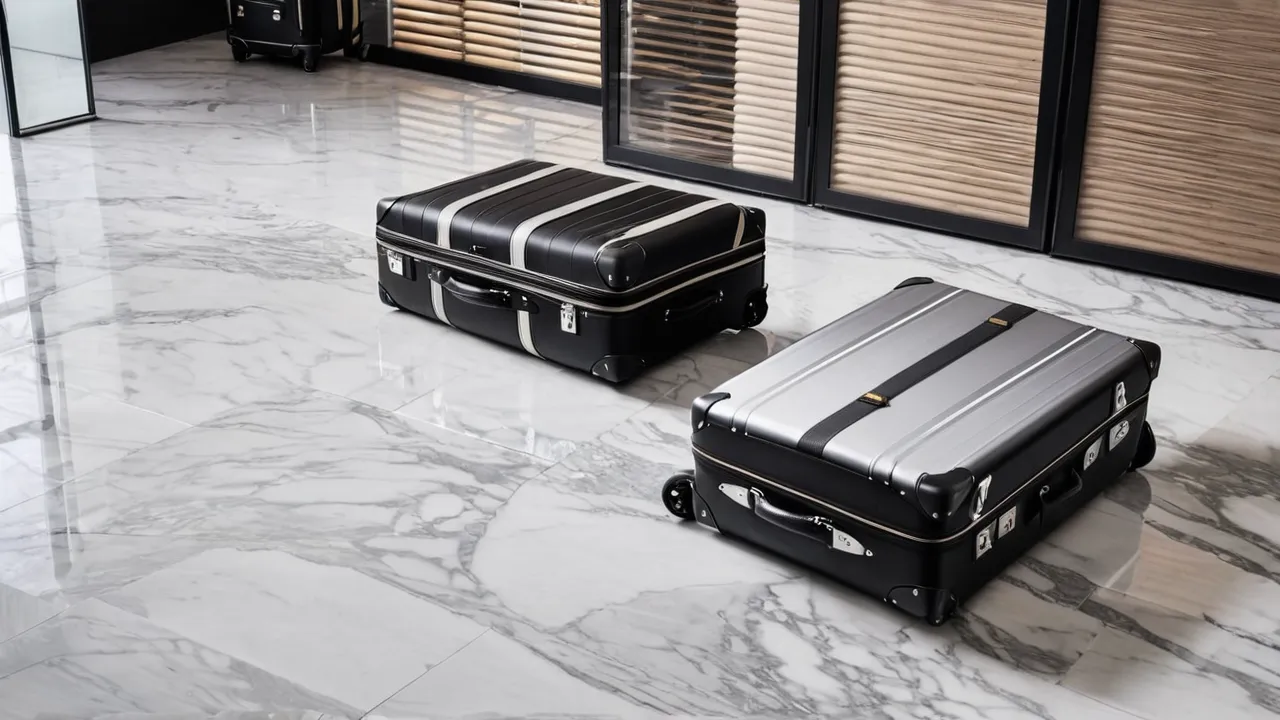
The costliest luggage buying mistakes are buying the wrong size for your airline, ignoring warranty exclusions, choosing wheels you cannot replace, and buying a set with pieces you will not use. Each of these leads to fees, repairs, or a replacement bag. The list below ranks the mistakes by what they usually cost you in money and trouble, and gives a fix for each, so you can buy a bag that lasts.
Ranking the mistakes by cost
Costs include fees, repairs, replacement, and time. This ranking is a judgment based on how often each mistake leads to a loss, not a measured statistic.
| Rank | Mistake | Typical cost |
|---|---|---|
| 1 | Not checking size with wheels and handles | Gate fees, forced checking |
| 2 | Ignoring warranty exclusions | Repair or replacement bill |
| 3 | Wheels that cannot be replaced | Whole bag replaced early |
| 4 | Buying a set with unused pieces | Wasted money and storage |
| 5 | Overlooking empty weight | Overweight fees |
| 6 | Choosing style over routes | Daily frustration |
| 7 | Buying by looks or brand | Paying for a label |
The seven costliest mistakes and their fixes
Mistake one: trusting the size label
A bag labeled carry-on may not fit your airline’s sizer once wheels and handles are counted. Many US carriers describe a limit near twenty-two by fourteen by nine inches, but it varies. Check the airline page for your carrier and measure the bag in full, including bulges when packed.
The fix is a tape measure and a margin. Read the dimensions with wheels, compare them with the limit, and buy a bag that sits a little under. Keep the numbers on your phone. If the maker does not publish full dimensions, treat the size as unconfirmed.
Mistake two: ignoring warranty exclusions
A warranty that says lifetime is not a promise of free replacement. Many policies exclude airline damage, wheels, handles, and normal wear, and many require proof of purchase and ask you to pay shipping. The mistake is reading the headline and skipping the clauses.
The fix is to read the warranty before buying. Look for what is covered, what is excluded, who pays shipping, and whether the warranty transfers. Keep your receipt and photograph the bag when it arrives. If the terms are hard to find, treat that as a reason to look elsewhere. Our how we review page explains how we weigh support terms.
Mistake three: wheels you cannot replace
Wheels are the first mechanical part to wear out, and a bag with riveted wheel housings and no parts support becomes waste when one wheel fails. The mistake is choosing wheels by looks, not by repairability.
The fix is to ask whether the maker sells replacement wheels or has a repair program, and whether the wheels are held by screws. Spinners are easier on smooth floors, and two-wheel designs suit rough ground, so choose by route and check repair access. See the luggage sets category for how makers describe their support.
Mistake four: buying a set you will not use
Sets look like a bargain, but the price is only a bargain if you use the pieces. A set with a size you never carry wastes money and closet space. The mistake is buying the bundle first and the use second.
The fix is to list your trips and count the pieces you need. If you use only one or two sizes, buy singles. If two or more people share the pieces, a set can pay off. The best travel luggage set roundup shows how sets are typically composed.
Mistake five: ignoring empty weight and capacity
A heavy empty bag leaves less allowance under a weight limit, and a large bag invites overpacking. The mistake is comparing bags by volume and style and never looking at empty weight. Overweight fees are common, and a heavy bag is hard to lift.
The fix is to check the stated empty weight, subtract it from the weight limit for your fare, and pick a bag that leaves enough allowance. Weigh the packed bag at home with a scale before you leave.
Mistake six: choosing style over routes
A bag that looks right can be wrong for the places you travel. Spinner wheels glide on airport floors but struggle on cobblestones, and a rigid shell does not squeeze into a tight bin. The mistake is picking the look first and the route second.
The fix is to write down where the bag will roll most, such as smooth terminals, rough sidewalks, stairs or trains, and choose the wheel type, shell and size that suit those places. If you cross rough ground often, consider two inline wheels or a backpack.
Mistake seven: buying by looks or brand
A label or a fashionable color tells you little about wheels, zippers or support. Prestige pricing can pay for marketing rather than for a sturdier build, and a trend color may be hard to match later when you add a piece.
The fix is to compare the same construction details across brands: wheel mount, handle tubes, zipper size, stated weight and warranty terms. Choose on those, and treat appearance as a tie-breaker.
Smaller mistakes that add up
Several smaller errors come up often, beyond the seven above.
- Buying hardside when you pack stuffed carry-ons, or softside when you carry fragile items.
- Skipping the zipper check and choosing a bag with thin zipper coils.
- Ignoring the handle, which wobbles in the store and gets worse over time.
- Buying a bag that does not fit your car trunk or closet.
- Choosing a pale color that shows every scuff, or an unusual color that is hard to resell.
- Forgetting to check the return window and not inspecting the bag when it arrives.
Each one is small on its own, but several together can make a bag frustrating to own. A short inspection on arrival catches many of them while you can still return the bag. For soft-sided options and their trade-offs, see the best softside luggage set page.
How these mistakes compound
Mistakes rarely arrive alone. A buyer who trusts the size label often also skips the warranty, because both come from relying on the product page headline. A buyer who buys a big set for the bundle price often ends up with heavier bags and more overweight risk. Seeing the pattern helps: most of these errors come from taking a seller’s summary at face value.
A useful habit is to write down three numbers before you buy: the size limit you must meet, the weight allowance you need, and the number of pieces you will use. If a bag cannot meet all three, it is not the right bag, however good it looks.
A short pre-purchase checklist
Before you buy, run through these questions.
- Does the bag fit the strictest airline limit on my list, wheels included?
- What is the empty weight, and how much allowance does that leave?
- Can the wheels and handle be replaced, and where do I buy parts?
- What does the warranty exclude, and who pays shipping?
- Will I use every piece if this is a set?
- Does the wheel style suit my usual routes?
- Can I return it if it fails my inspection?
If you cannot answer yes or a clear number to most of these, keep shopping. A few minutes with the list is cheaper than the mistakes it prevents.
Who is most at risk, and who can relax
Frequent flyers who check bags are most at risk from wheel and airline damage problems and should focus on parts and warranty. Budget-airline travelers are most at risk from size mistakes. Gift buyers are at risk from fit and style mistakes, since they may not know the recipient’s trips.
Occasional travelers who drive to their destination can relax about airline limits, but should still check capacity and warranty. Anyone buying a first bag can use the checklist and keep the receipt.
Frequently Asked Questions
What is the biggest mistake when buying luggage?
Trusting the size label. A bag called carry-on may not fit your airline’s sizer once wheels and handles are counted. Measure the full outside dimensions, compare them with the carrier’s published limit and keep a small margin. Keep the numbers on your phone so you can compare candidates quickly.
Is a luggage set a mistake?
Only if you will not use every piece. A set can be good value for a family or couple who share sizes, but a size you never carry wastes money and storage. List your trips first, then count the pieces you need.
How can I avoid overweight baggage fees when buying luggage?
Check the stated empty weight, subtract it from your airline’s limit and choose a bag that leaves enough packing allowance. Weigh the packed bag at home before you leave, and leave a margin for the return trip. A home scale takes a minute and can save a fee at the counter.
Final Thoughts
Most luggage regrets come from skipping a few checks: measuring with wheels, reading warranty exclusions, confirming parts availability, and counting the pieces you need. Rank the mistakes by cost and spend your attention on the top of the list. Keep the receipt, inspect the bag when it arrives, and use the return window if something is off.
A bag that fits the rules, carries the weight you need, and can be repaired is a bag you buy once. The extra effort before purchase is small compared with the cost of replacing a bag that fails early.
Related buying guides
- Luggage Colors and Finishes: Scuffs, Fading and Resale
- Luggage for Couples: Sharing Bags or Buying Two Sets
- Luggage for Women Travelers: Fit, Weight, and Handle Height
About the author

The BuyOnceChoice Editorial Team researches durable products worth buying once. Our guides compare published specifications, warranty terms, expert review consensus, and verified owner feedback. We do not conduct our own product trials. See How We Review and our Editorial Policy for our standards.