Luggage Buying Checklist: 12 Checks in the Store or Online
Online shoppers cannot roll a bag across a store floor. This checklist turns product pages into measurable checks, from size and weight to wheels and warranty.
 By BuyOnceChoice Editorial Team
Updated November 16, 2026
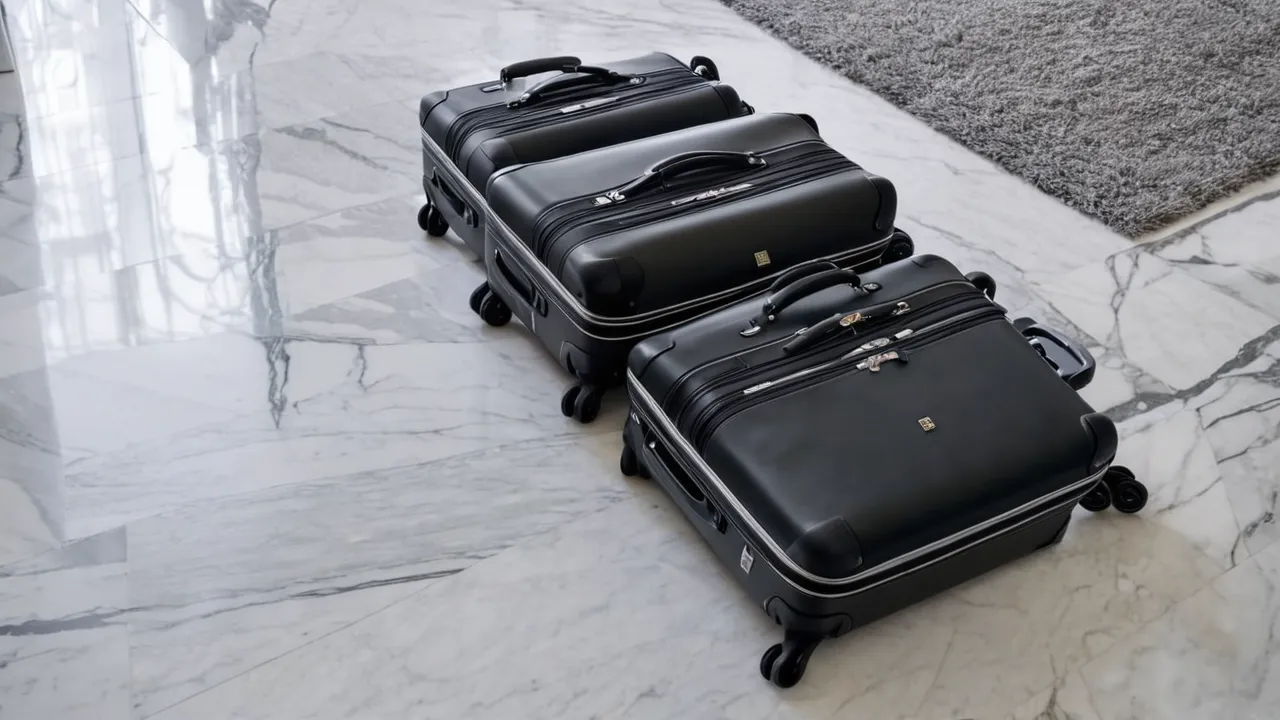
A luggage buying checklist for online shoppers has to replace the in-store routine of rolling, lifting and wiggling a bag. Check the exact dimensions and empty weight, the wheel and handle construction, the zipper size, the shell or fabric and the warranty terms. Then verify the return policy so you can handle the bag yourself when it arrives.
Six Checks From the Product Page
Step One: Match Size to Your Airline and Trip
Start with the limits that decide whether the bag can travel with you. Size rules differ by airline, so look up the carry-on and checked limits of the carriers you use most. Measure the bag’s outside dimensions, including wheels and handles, because the listed interior size is not the number airlines use.
Note both the outside height, width and depth and the combined linear inches for checked bags. Compare these against your airline rules, remembering that regional jets and budget carriers often use stricter limits. If you cannot find exact dimensions on the page, treat the missing information as a warning.
Step Two: Check Weight Before Anything Else
Empty weight sets how much you can pack within an allowance. Find the stated weight and subtract it from your limit. A heavy shell reduces what you can bring, so compare weights between candidates. Our guide to shell materials shows how material changes weight. If the product page lists no weight, look at the manufacturer’s site or skip the bag.
Step Three: Read the Wheels and Handle
Wheels and handles fail first on most bags. Look for details instead of adjectives.
- Wheels: double or single spinner design, sealed bearings, a housing that appears metal or reinforced, and a statement that replacement wheels exist.
- Handle: a telescoping design with a stated number of stop positions, tube walls that look thick, and a locking mechanism that appears firm.
- Grips: padded top and side handles that attach with reinforced stitching or bolts.
Look at photographs at high zoom and read written reviews for patterns such as wobble. Reviews carry opinions, but repeated mentions of the same fault are useful.
Step Four: Inspect the Zippers and Closures
Zippers are the most common failure after wheels. Check for zipper size, which appears on some listings as a number or as a description such as large coil. Look for double sliders, which add flexibility, and zipper garages or covers that protect the pulls. For an expandable bag, note that the second zipper is an extra point of failure.
Check whether the bag has built-in locks or lock-ready pulls. If you plan to use a lock, read the TSA lock guidance before you decide that a built-in lock is enough.
Step Five: Judge the Shell and Interior
For hard shells, identify the material and look at the surface. Textured shells hide scratches, and thicker panels resist impact. For soft shells, read the fabric description. A named fabric with a stated weave beats a vague high-quality material claim. Our best softside luggage set roundup explains what to look for.
Inside the bag, check that compartments make sense. Dividers, compression straps and pockets add function but also add weight and stitching. Pick what you will use. A tidy interior with a few well-made compartments is better than a complicated one.
Step Six: Warranty, Repair and Returns
Read the warranty before you buy. Confirm what it covers, what it excludes and how long it lasts. Look for clear statements about wheels, handles and zippers, and whether airline damage is excluded. Check that the brand lists a repair process and whether parts are available.
Also read the retailer’s return policy. A generous return window lets you handle the bag, weigh it, roll it and check the wheels. When it arrives, take it through the same checks you would in a store: roll it, extend the handle, work every zipper, and load it with the weight you normally carry.
Quick Checklist Table
| Check | What to confirm |
|---|---|
| Outside size | Includes wheels and handles, within airline limits |
| Empty weight | Stated by the maker, leaves packing room |
| Wheels | Bearing, housing, replaceable |
| Handle | Tube walls, locks, minimal wobble |
| Zippers | Size, sliders, protected pulls |
| Warranty | Parts covered, exclusions clear |
| Returns | Window long enough to inspect |
Checks When the Bag Arrives
The product page tells you what the maker claims. The first hour with the bag tells you whether it is true. Do these checks right away, while returns are easy.
- Weigh it on a bathroom scale, by holding it and subtracting your own weight, and compare the result with the stated empty weight.
- Measure the outside with a tape, including wheels and handles, and compare with your airline limits.
- Roll it across hard floor and carpet. Listen for scraping and watch for wheels that drag or wobble.
- Extend and retract the handle several times. It should lock firmly at each position without play.
- Work every zipper end to end and check that the pulls feel solid.
- Pack it with a realistic load and lift it into a car trunk or onto a bed, noting how it feels.
- Read the warranty card or the manufacturer’s page again and keep a copy with your receipt.
Keep packaging until you are satisfied. If a problem appears, photograph it and contact the seller promptly, since many return windows are short.
Questions to Ask the Seller
When a product page leaves gaps, a short message to the seller or the maker can fill them. Ask for the outside dimensions with wheels and handle, the empty weight of the exact size, the wheel and housing type, whether replacement wheels and handles are sold and how to order them, what the warranty excludes, who pays return shipping and how long the return window lasts. A clear, specific answer is a good sign. A vague answer or no answer tells you how a future claim might go.
Keep the replies with your order confirmation. If a seller states a figure in writing and the bag differs, you have a record to support a return.
Use this printable list when you shop:
- Outside size with wheels and handle, within my airline limit.
- Empty weight stated and leaves room in my allowance.
- Wheels: bearing, housing, replaceable.
- Handle: locks firmly, minimal wobble in photos and reviews.
- Zippers: stated size, protected pulls.
- Shell or fabric named and described.
- Warranty read, exclusions noted.
- Return window long enough to inspect.
Reading Reviews Without Being Misled
Customer reviews help, but they need careful reading. Skip the star average and look for repeated, specific comments about the same part, such as a wheel that cracked after a few trips or a handle that wobbled from the start. A single complaint is an anecdote, but five matching complaints are a pattern.
Pay attention to how long the reviewer owned the bag. A review written the day the bag arrived says little about durability, while one written after a year of travel says much more. Watch for reviews that mention the brand’s support response, since a company that replaces parts quickly is worth more than one that ignores emails. Be careful with reviews that read like advertisements, and remember that product pages can mix reviews across different sizes or colors of the same line.
When two bags look equal on paper, choose the one whose maker publishes more detail about construction and parts. Specific information suggests a maker who expects scrutiny.
Who Should Use Which Approach
If you travel often, prioritize wheels, handle and warranty over color or style. If you travel rarely, prioritize size and weight and accept simple designs. If you buy as a gift, favor a generous return window. Skip any listing that hides the weight, dimensions or warranty. Read what we weigh on the how we review page, and see more guidance in our luggage section.
Keep notes as you compare. A simple list of dimensions, weights, warranty terms and return windows for three or four candidates makes the best choice obvious, and it protects you from deciding on color alone.
Before you pay, also compare the checklist against your budget of time. Some listings let you buy first and read the exact steps later, which is the wrong order for an online order with a short return window. Open the warranty page, the returns page and the shipping terms in separate tabs, write down the three numbers that matter to you, and compare candidates side by side. A candidate that is easy to read usually has a support team that is easy to deal with.
Frequently Asked Questions
What should I look for when buying luggage online?
Check the outside dimensions with wheels and handle, the stated empty weight, the wheel and handle construction, zipper size, the named shell or fabric, and the warranty and return terms. Treat missing numbers as a warning sign. Compare two or three candidates with the same list before you decide.
How do I check a suitcase when it arrives?
Weigh it, measure the outside with a tape, roll it on hard floor and carpet, extend the handle several times, work every zipper and pack it with a realistic load. Do this while the return window is open and keep the packaging until you are satisfied.
Are customer reviews reliable when buying luggage?
They are useful for patterns, not averages. Repeated mentions of the same fault, such as cracked wheels or a wobbly handle, matter more than the star rating. Weigh reviews from owners who used the bag for months, and check that the reviews match the size you plan to buy.
Final Thoughts
Online buying removes the roll-and-lift check, so replace it with numbers and a plan. Confirm size and weight, study wheels and handle details, check zippers, read the warranty and use the return window to put the bag through its paces. A checklist keeps you focused on durable construction instead of pretty photographs.
Related buying guides
- Common Luggage Buying Mistakes and How to Avoid Them
- Luggage Colors and Finishes: Scuffs, Fading and Resale
- Luggage for Couples: Sharing Bags or Buying Two Sets
About the author

The BuyOnceChoice Editorial Team researches durable products worth buying once. Our guides compare published specifications, warranty terms, expert review consensus, and verified owner feedback. We do not conduct our own product trials. See How We Review and our Editorial Policy for our standards.