Travel Backpack Size Guide: Liters for Every Trip Length
Reconcile conflicting liter claims by checking carry-on dimensions and weight, then match pack volume to trip length and how much you are willing to carry.
 By BuyOnceChoice Editorial Team
Updated November 16, 2026
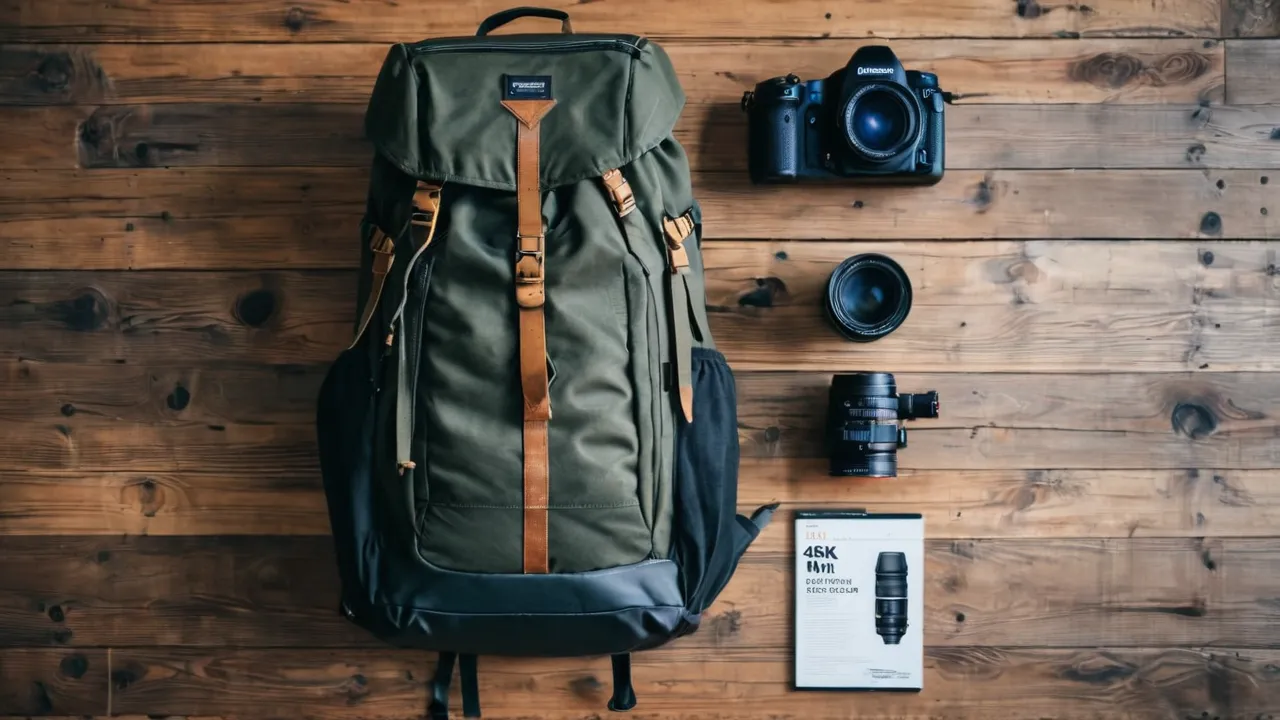
Travel backpack size in liters is only a rough guide, and the right number depends on the trip length, the airline’s carry-on dimensions, and how much weight you can carry comfortably. Roughly twenty to thirty liters suits day trips and a personal item, thirty to forty liters suits a short carry-on trip, and forty to fifty liters is the range where carry-on claims become unreliable. Liters describe volume, not the shape that passes the sizer, so check the dimensions and weigh your packed bag before you buy.
Why liter claims conflict
Sources disagree about how many liters fit a carry-on because liters measure the interior volume of the bag, while airlines limit the outside size. A pack with a compact, boxy shape can hold more volume inside the same dimensions as a tapered pack. Brands also measure volume differently, some including pockets and some not, and there is no universal standard for the measurement.
That means a forty liter pack from one brand can be smaller than a thirty-five liter pack from another once packed. The only reliable path is to read the stated outside dimensions and compare with the airline limit.
Volume claims are also affected by how full you pack. A pack stuffed past its design bulges and grows by an inch or more, which can push a forty liter pack beyond the sizer. Treat the liter figure as the upper bound under ideal packing.
What fits in each size range
The ranges below are rough guides, based on common packing practice rather than a single rule.
| Volume range | Typical use | What to watch |
|---|---|---|
| 20 to 30 liters | Personal item, day trip, weekend | Tight for shoes and layers |
| 30 to 40 liters | Short carry-on trip, one week light | Check outside size |
| 40 to 50 liters | One-bag travel, longer trips | Often above carry-on limits |
| 50 liters and up | Checked or long trips | Heavy when full |
A traveler who packs light and does laundry can live out of thirty to forty liters for weeks. A traveler who carries a laptop, camera gear, and a coat will fill forty five liters quickly. Cold climates add bulk and require more volume.
Dimensions and weight beat liters
Because liters do not map to sizers, start with the airline’s carry-on limit and look for a pack whose stated outside dimensions fit with room to spare. Packs designed for carry-on often state this in the specifications. If the page lists only liters, treat the pack as unconfirmed.
Weight is the other half. Many carriers state a weight limit for carry-ons, especially outside the United States. Your own body is also a limit: a heavily loaded pack becomes tiring over long walks, and individual tolerance varies a great deal, so find your own comfortable limit by carrying it.
Weigh your packed bag at home. If it exceeds the airline limit or your comfort limit, remove items or move to a smaller volume. The temptation with a larger pack is to fill it, so a smaller pack can be a better discipline tool.
Matching volume to trip length
A common approach is to pick a pack volume that matches what you must carry and then plan laundry as the tool that makes the trip longer than the bag. With a laundry plan every few days, thirty-five to forty liters can cover a long trip in mild weather.
Without laundry, a week is a practical limit for a small pack, and two weeks demand a larger pack or a second bag. In cold weather, a coat and boots may take up the volume that clothes would take in summer.
Think about whether you will add purchases. A pack that is full on day one leaves nowhere for gifts. Choose a size that leaves a quarter of the volume free for the return leg, or accept a plan to ship items home.
Fit, frame, and comfort for larger packs
As volume rises, so does the importance of the harness. A forty-five liter pack with a padded hip belt and a back panel that matches your torso length carries better than a smaller pack with thin straps. Measure your torso and read the maker’s sizing chart.
Look for a stiff back panel or frame, load lifter straps, a sternum strap, and a hip belt that can carry weight. Check the shoulder straps for padding and for a shape that suits your frame. Some packs offer different harness sizes, which matters if you are shorter or taller than average.
Also consider access. A clamshell opening, like a suitcase, makes packing easier than a top-loading tube. See the backpacks category for pack styles, and the best executive backpack guide for work-oriented designs that trade volume for organization.
A worked method for choosing liters
Start with a trial pack in a bag you already own. Lay out the clothing, shoes, toiletries and electronics for the trip, put everything in, and note how full the bag is as a fraction, such as three quarters. Divide by that fraction to see how much room you need. If a 30 liter bag is three quarters full, your load is roughly 22 liters, and a 35 liter pack would leave about a third of its volume free for the return leg. Add the volume of anything you plan to buy.
Then check the outside dimensions. Suppose the airline limit is 22 by 14 by 9 inches and a candidate pack is listed at 21 by 13 by 9 inches. It passes with about an inch of margin on two sides and none on depth, so a full soft pack could bulge past the limit. Choose a pack with a small margin on every side, or plan to compress it with straps.
Last, weigh the loaded pack and carry it around your home or neighborhood for twenty minutes. If it feels heavy now, it will feel heavier after a day of travel.
Packing tactics that make a smaller pack work
You can shrink the volume you need by changing what goes into the pack. Choose clothing that mixes and matches in a narrow color range, so each item works in several outfits. Wear the bulkiest shoes and the coat on travel days, since worn items do not take pack volume. Roll soft items and use packing cubes to keep the pack organized, but avoid cubes that are so rigid they waste space.
Limit toiletries to what you can carry within airline liquid rules and buy larger items at the destination. Keep electronics lean with one charger hub rather than a separate charger for every device. Each of these steps saves a few liters, which can be the difference between a forty-five liter pack and a thirty-five liter pack.
Also decide what a day out looks like. If you will carry a daypack at the destination, a small foldable pack can live inside the main pack and avoid the need to carry the large pack on short outings.
Who should choose what
Choose twenty to thirty liters if you travel for a weekend, use the pack as a personal item, or add it to a rolling bag. Choose thirty to forty liters if you want a carry-on pack and are disciplined about packing. Choose forty to fifty liters only if the dimensions are confirmed to pass your carrier and you are comfortable carrying the weight.
Skip a large pack if you walk long distances with it, if your airline has a strict weight cap, or if you tend to fill any available space. Skip a small pack if you carry bulky camera gear or cold-weather clothing. If you prefer a suitcase for heavy loads, compare options in the luggage sets category and the best travel luggage set roundup for ideas.
Read the how we review page to see how we treat missing size and weight data when reviewing a pack.
Frequently Asked Questions
How many liters is a carry-on backpack?
Many carry-on trips fit in about 30 to 40 liters, and 40 to 50 liters is where carry-on claims become unreliable. Liters measure interior volume, while airlines limit the outside size, so check the stated dimensions and your airline’s limit.
What size backpack do I need for a week of travel?
Roughly 30 to 40 liters suits a light week, especially with a laundry plan, while cold weather or bulky gear pushes the need higher. Lay out your trip items, pack a trial load and weigh it before you commit to a size.
Does a 40 liter backpack fit as a carry-on?
Sometimes. A compact, boxy 40 liter pack may pass, while a tapered or overstuffed one may not. Compare the outside dimensions and the packed shape with your airline’s carry-on limit, and weigh the pack, since some carriers apply a weight cap.
Final Thoughts
Treat liters as a starting point and dimensions and weight as the deciding numbers. Find your carrier’s carry-on limit, choose a pack whose outside size fits it with margin, and then pick the volume that matches your trip length and laundry plan. Weigh the packed pack at home and carry it for a while.
A pack that is slightly smaller than you think you need often serves better, because it limits the weight you carry and keeps you inside the limits. Confirm the numbers on the airline page before each trip, since they change.
Related buying guides
- Travel Backpack vs Duffel Bag vs Suitcase
- Travel Backpack Warranty Guide: Brands That Repair for Life
- TSA Friendly Laptop Backpack: What the Label Means
About the author

The BuyOnceChoice Editorial Team researches durable products worth buying once. Our guides compare published specifications, warranty terms, expert review consensus, and verified owner feedback. We do not conduct our own product trials. See How We Review and our Editorial Policy for our standards.