Travel Backpack vs Duffel Bag vs Suitcase
Each luggage format wins on different trips. Score backpacks, duffels and suitcases against city breaks, road trips, long flights and multi-stop journeys.
 By BuyOnceChoice Editorial Team
Updated November 16, 2026
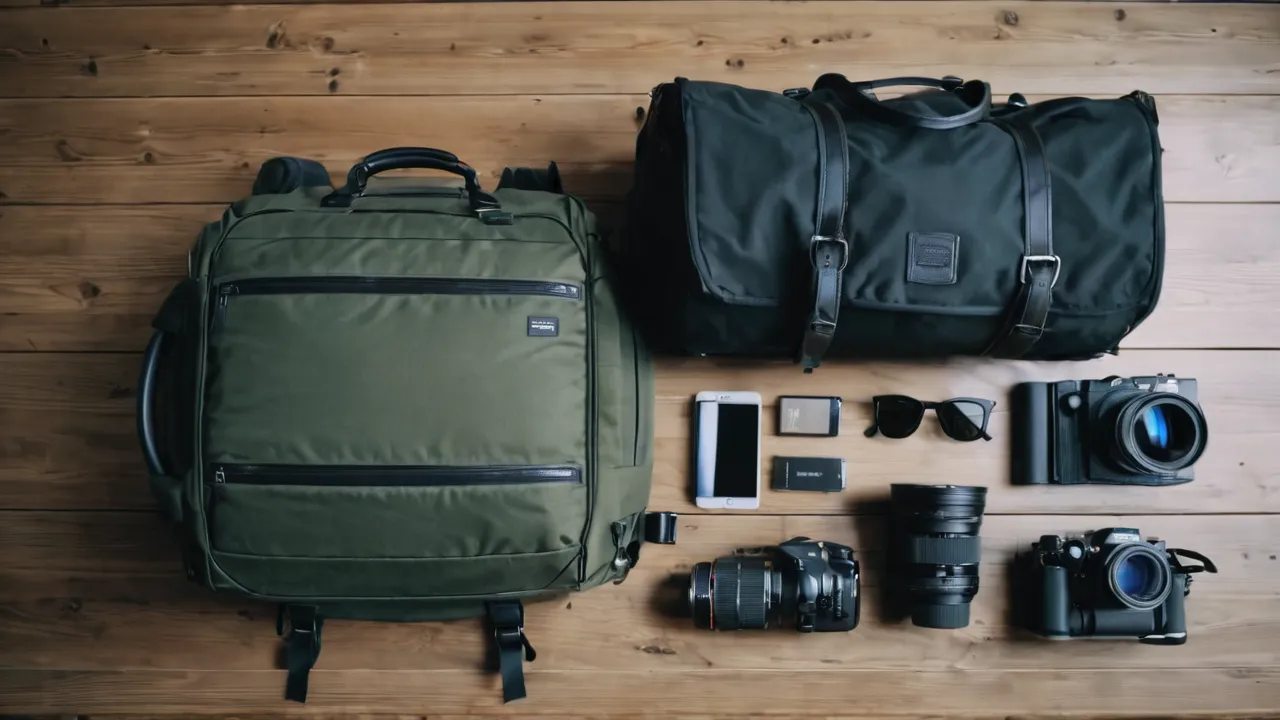
Backpack vs duffel vs suitcase has no single winner. A travel backpack wins when you walk a lot, use stairs or change locations often. A suitcase wins on smooth floors, formal trips and fragile contents. A duffel wins for flexible loads and tight storage, such as road trips or gear that does not fold neatly. Choose by trip type, not by habit.
How the Three Formats Differ
A suitcase is a structured case, usually with wheels and a telescoping handle. The structure protects contents and makes packing neat, but it needs smooth surfaces to roll and holds its shape even when partly empty.
A travel backpack carries weight on your shoulders and hips, with a clamshell or top opening. It keeps your hands free and goes up stairs and over cobblestones, but all the weight rides on your body, and the shape is less organized.
A duffel is a soft cylinder or box with handles and often a shoulder strap. It squashes into trunks and overhead bins, accepts odd shapes, and can fold small when empty. It offers little structure, so contents shift and wrinkle, and carrying a heavy one by a single strap is tiring.
Hybrid formats, such as rolling backpacks and wheeled duffels, blend these traits, and our related comparison covers them separately.
Scoring Table by Trip Type
Use this table as a thinking tool. Scores range from poor to strong, and they reflect typical designs rather than specific products.
| Trip type | Backpack | Duffel | Suitcase |
|---|---|---|---|
| City break with stairs and trains | Strong | Fair | Fair |
| Business trip, formal clothing | Fair | Poor | Strong |
| Week-long beach vacation | Fair | Strong | Strong |
| Road trip by car | Fair | Strong | Fair |
| Multi-country trip with many moves | Strong | Fair | Fair |
| Trip with fragile items | Poor | Poor | Strong |
| Cobblestone destination | Strong | Fair | Poor |
| Airport-heavy trip with smooth floors | Fair | Fair | Strong |
Adjust the scores if you are strong or have a medical limitation. A person with a bad shoulder will weigh the backpack column differently.
Worked example: ten days across three cities
Picture a ten day trip with a flight, two train rides and a ferry, with hotels up a flight of stairs. Walking distances between stations add up, and there is no car. A backpack of moderate capacity wins here, because you will lift and carry it constantly. Pack for laundry every few days, take a small packable daypack, and accept that dress clothes will wrinkle.
Now change the trip: one hotel, a conference and two dinners, with a taxi at each end. A carry-on suitcase with a garment fold keeps a jacket presentable, rolls through the terminal and sits on a luggage rack. The backpack’s advantage disappears, because you never carry it far.
Change it again: a family road trip with a cooler, a stroller and sports equipment. A duffel per person compresses into a trunk in ways a rigid suitcase cannot, and it empties into a closet and folds flat afterward.
When to mix formats
Many experienced travelers combine formats. A wheeled suitcase for the main load and a small backpack for the day and the laptop is a common pairing, as is a backpack for carry-on plus a duffel folded inside for the return trip, when souvenirs and dirty laundry need extra space. Mixed setups cost more in weight and handling, but they match different parts of a journey. Make sure your combined items meet airline rules for a carry-on plus a personal item before relying on them.
Carrying Comfort and Effort
How you move shapes the decision. A well-fitted backpack spreads weight on your hips and leaves your hands free, which helps in crowds, on stairs and on public transit. Fit matters, and our guide on how to fit a backpack shows the adjustments.
A suitcase moves weight to the floor, which is easy over long flat distances and difficult up stairs. Lifting a heavy suitcase into a train rack or onto a bed is a real chore, and wheels struggle on gravel, snow and cobblestones.
A duffel is the least comfortable for long carries unless it has backpack straps or wheels. Shoulder strap loads concentrate on one side, so reserve duffels for short moves between a car and a room.
Packing, Protection and Organization
Suitcases do the best job of protecting contents, especially hard shells for fragile items. Their flat panels make folding and packing cubes easy, and structured interiors keep clothes in order. See luggage sets for options and the best travel luggage set for rankings.
Backpacks with clamshell openings can approach a suitcase’s organization, but you pack around your back, and fragile items need extra padding. A duffel gives the least protection. It forgives awkward shapes, such as sports gear, but crushes anything delicate and lets items migrate to the bottom.
Wrinkle control also differs. Suitcases with garment folders reduce creasing for suits. Backpacks and duffels wrinkle clothes more, so they suit casual wear or items that tolerate rolling.
Airline and Transit Handling
Carry-on limits apply to all three formats, and airlines count size by outside dimensions. A soft duffel or backpack can squeeze into a tight sizer, which gives them an edge with strict carriers. Hard suitcases do not compress. If you check a bag, backpack straps can snag in conveyors, so use a rain cover or a duffel bag to enclose straps. Suitcases are made for checked handling, and duffels are tolerated, although zippers are exposed.
Weight matters, too. Empty weight varies by design, with hard suitcases often heaviest. Check the allowance of your airline before choosing.
Durability and Repair
Suitcases fail at wheels, handles and zippers. Backpacks fail at straps, buckles and zippers. Duffels fail at handles and seams. Wheels and handles are replaceable only on some suitcases, and our luggage warranty checklist points to what to ask. A backpack’s strap anchors carry all the load, so look for reinforced stitching. For fabric guidance, compare the options in our backpack discussions at the best executive backpack page.
Who Should Choose What
Choose a backpack if you move often, face stairs or rough ground and can keep your packing light. Choose a suitcase if you travel with formal clothes, fragile items or a lot of gear and mostly stay on smooth floors. Choose a duffel for road trips, sports gear and flexible storage. Skip a backpack if you carry fragile items or have trouble with weight on your shoulders. Skip a suitcase if your route includes long stretches of stairs or rough ground. Skip a duffel for anything you must carry more than a few minutes. Learn how we judge such trade-offs on the how we review page.
Budget and storage play a part too. Soft formats fold away in a closet, while a hard suitcase occupies a fixed block of space, which matters in a small apartment. Resale and sharing differ as well: a plain suitcase passes easily between family members, whereas a backpack is fitted to one body. Weigh these practical points when two choices look equal.
A quick decision rule
Count the conditions that apply to your trip. Stairs, trains, cobblestones or many moves each favor a backpack. Formal clothes, fragile contents or long smooth floors each favor a suitcase. Car travel, sports gear, odd shapes or tight storage each favor a duffel. Whichever column collects the most marks is the format to start with, and a tie means you can mix formats or choose the one you can carry comfortably when something goes wrong.
Verdict by buyer type: a backpacker or city hopper should lean backpack; a business or family traveler on smooth floors should lean suitcase; a road tripper or gear hauler should lean duffel. Each verdict changes if the dominant condition of the trip changes, which is why the same traveler can reasonably own two formats.
Think about the return leg too. Souvenirs, damp laundry and shoes change the load, and a format that felt right on day one can become awkward on the last day. A backpack with a little free volume, a suitcase with an expansion option or a duffel that folds inside another bag each solves that problem differently, so decide before you leave how you will handle extra weight on the way home.
Frequently Asked Questions
Is a backpack better than a suitcase for travel?
It is better when you walk a lot, climb stairs or change locations often, because it keeps your hands free. A suitcase is better on smooth floors, for formal clothes and for fragile contents. Choose by the dominant condition of your trip, not by habit.
Is a duffel bag a good alternative to a suitcase?
For road trips, sports gear and tight storage, yes, because a duffel squashes into trunks and holds odd shapes. It offers little structure or protection, and carrying a heavy one by one strap is tiring, so it suits short moves.
Which is easier for airline carry-on limits?
Soft backpacks and duffels can compress into a tight sizer, which gives them an edge with strict carriers. A hard suitcase cannot compress. Check your airline’s outside dimensions and weight rules, since size is counted by the outside measurements. Weigh the packed bag as well.
Final Thoughts
Pick the format that matches the dominant condition of the trip: terrain, formality, fragility and how often you move. A backpack suits mobility, a suitcase suits protection and a duffel suits flexibility. If two formats tie, choose the one you can carry comfortably when something goes wrong, such as a delayed train or a long walk.
Related buying guides
- Travel Backpack Warranty Guide: Brands That Repair for Life
- TSA Friendly Laptop Backpack: What the Label Means
- Anti-Theft Travel Backpack Features That Matter
About the author

The BuyOnceChoice Editorial Team researches durable products worth buying once. Our guides compare published specifications, warranty terms, expert review consensus, and verified owner feedback. We do not conduct our own product trials. See How We Review and our Editorial Policy for our standards.