Anti-Theft Travel Backpack Features That Matter
Most theft deterrents slow a thief rather than stop one. See which backpack features add real friction, which are mostly marketing and how to carry smarter.
 By BuyOnceChoice Editorial Team
Updated November 16, 2026
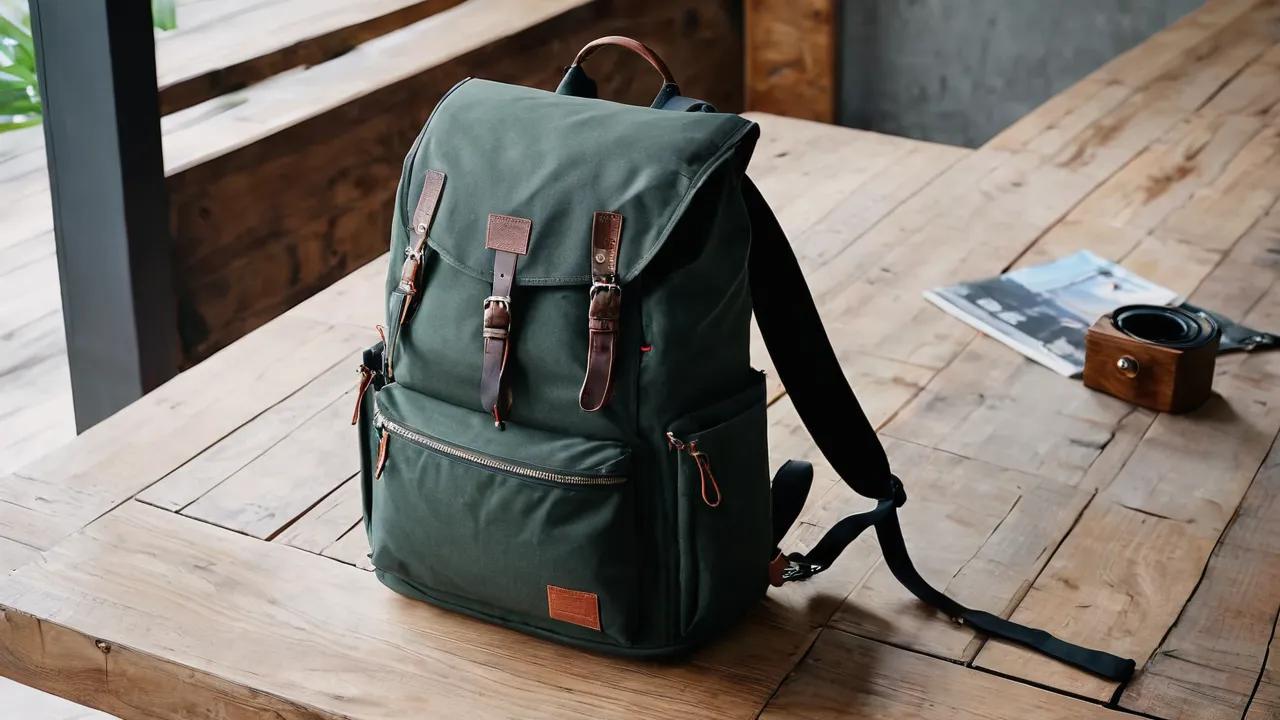
Anti theft backpack features are design details, such as lockable zippers and body-facing pockets, that make a pack harder to open unnoticed. They reduce opportunity theft but cannot stop a determined thief. The ones that help most are lockable zippers, a body-facing main pocket and hidden or hard-to-reach compartments. Slash resistance and signal blocking add less than the labels suggest, so check how each feature works before you pay for it.
What an Anti Theft Backpack Is Trying to Prevent
Think about how bags are actually stolen. Most thefts in tourist areas are quick and quiet: a hand slips into an open pocket, a zipper is opened in a crowd while you are distracted, or a bag is left on a chair back and walked away with. Slashing a bag with a blade is far rarer. Because of that, the features that matter most slow down quick access and make the bag harder to open unnoticed.
A good bag raises the effort and the risk for the thief. It does not make you invulnerable. Deterrents work best when combined with habits, such as keeping the pack in front of you in crowds and never leaving it unattended. Our best executive backpack roundup shows how some work packs integrate these security details without looking like tactical gear.
Features That Add Real Friction
Lockable zippers
Zipper pulls with holes for a small padlock or a cable lock stop an unnoticed open. Some designs tuck the pulls into a hidden channel or clip them to a loop. A lock will not stop someone who cuts the fabric, but it prevents the quick, quiet access that most thieves rely on. Check that the lock holes are metal or thick, reinforced plastic, and that the zippers themselves are sturdy enough to take the strain.
A body-facing main compartment
When the main opening faces your back, anyone trying to open it has to get past you. A rear-access design, with the opening along the back panel, is one of the most effective layouts because you feel any attempt. The trade-off is slower access for you, so you must unclip the straps to open the bag.
Hidden and hard-to-reach pockets
A pocket against the back panel or inside a shoulder strap keeps a passport or phone out of sight. Hidden pockets are only as good as their discretion. If a product listing advertises them in large detail, assume thieves know where to look, and use them for items that are valuable but not critical.
Concealed or cross-body zippers
Zippers that run along the body side rather than the outside edge are harder to reach in a crowd. Look for a design where all zippers sit against your back or are tucked beneath a flap.
Features With More Marketing Than Protection
Slash resistant panels
Some packs add wire mesh or cut-resistant fabric to panels. These can stop a casual cut, but wire can be defeated with the right tools and adds weight and stiffness. Manufacturers’ claims vary, and no independent standard is universal for bags, so read the description for what material is used and which areas are covered. A strap with a steel cable core is similar: it adds resistance against a quick snip but not a determined attack.
Signal blocking pockets
Pockets lined with a metallic mesh claim to protect contactless cards from wireless skimming. Real-world reports of this kind of theft are limited, and the pocket does not help if you take cards out in a crowd. If you worry, a simple card sleeve is cheaper than a whole pack.
Tactical looks
Military-style bags with webbing and badges can draw more attention to a bag. If you want to blend in, a plain, quiet design often protects better than a conspicuous one.
Comparing Features at a Glance
| Feature | What it stops | What it does not stop |
|---|---|---|
| Lockable zippers | Quiet, quick opening | Cutting the fabric |
| Rear access opening | Pickpocket reach | Whole bag theft |
| Hidden pocket | Visual targeting | Thorough searches |
| Slash resistant panel | Casual cuts | Determined attack, weight penalty |
| Signal blocking pocket | Theoretical skimming | Physical theft |
| Cable strap anchor | Grab and run | Cutting the cable |
Habits That Matter as Much as Features
Features support habits, not the other way around.
- Wear the pack on your front in crowded areas such as transit and markets.
- Keep both shoulder straps on and the sternum strap fastened when possible.
- Use a cable lock to attach the bag to a fixed object when you sit, such as a chair leg.
- Keep your most valuable items, like a passport, on your body or in a hidden pocket, not in the main compartment.
- Avoid putting your bag on the floor between your feet without a strap around a leg.
- Do not leave a bag in a car where it can be seen.
Our guide on travel backpack buying mistakes covers how fit and load can also affect security, since an uncomfortable pack gets taken off more often and left unwatched.
Pick a size that discourages overstuffing
A bulging pack strains every zipper and makes lockable pulls harder to use. When the main compartment is packed to the limit, the pull tabs sit under tension and the zipper teeth can separate, which defeats the lock. Choose a capacity that leaves a little slack, and use packing cubes so that the bag closes without force. A slim pack also tucks against your body better in a crowd and is harder to snag.
Think about the airport and the hostel
Security needs differ by setting. In a hostel, a cable lock lets you secure the bag to a bed frame or locker, so check that the pack has a sturdy loop at the base or on a strap for this. On a train, a bag between your feet with a strap looped around your ankle is harder to lift. At an airport, locks on a bag you plan to check can be cut by security staff if they need to inspect it, so use only locks that the authorities can open or accept that a lock may be removed. Security locks vary in who can open them, so read the lock’s description.
Carry a backup plan
Photograph your passport and keep a digital copy stored securely. Keep a card and a small amount of cash separate from the main wallet. Having a way to cancel cards and replace documents reduces the damage of a loss, whatever the bag does.
How to Check the Construction
Look at the details that carry load. The lockable zipper is only as good as the stitching around it. Check that the tape is double-stitched, the pull points are reinforced, and the straps join the body with strong stitching. A thin fabric with a fancy lock is a weak combination.
Check material too. Dense, abrasion-resistant fabric is harder to cut quietly. A good bag may also have a lining that shows when it has been cut. Read the product description for named fabrics, and see how we handle durability on our how we review page.
Five quick checks before you commit
- Close the zippers and slide the pulls together. Do they meet at a lock hole, or can you still pry them apart a little?
- Press the lock holes. Metal or thick reinforced plastic is reassuring, thin molded plastic is not.
- Reach into each pocket from the outside while the pack is on your back. Could someone else do that without you noticing?
- Look for a loop or anchor point at the base or on a strap where a cable lock can attach.
- Read the listing for the named fabric and what any slash resistant layer is made of and where it sits.
If the listing cannot answer these, or hides the details behind adjectives, treat the feature as decoration. A modest pack with two or three of these basics done well protects better than a pack with a long feature list and weak stitching.
Who Should Choose What
Choose a rear-access pack with lockable zippers if you walk through crowded cities and public transit. Choose a plain, low-key bag with a lockable main compartment if you want security without drawing attention. Skip slash-resistant extras if the weight bothers you, and skip signal-blocking pockets if a card sleeve does the job. If you mostly travel by car and carry little of value, ordinary pockets and good habits are enough. Browse the travel and luggage guides for related advice.
Frequently Asked Questions
Do anti theft backpacks actually work?
They help against quick, opportunistic theft by making a pack harder to open unnoticed, but they do not stop a determined thief or a stolen bag. Lockable zippers and a body-facing main compartment add the most friction. Pair them with habits such as wearing the pack on your front in crowds.
Are slash proof backpacks worth buying?
Usually only if you accept the extra weight and stiffness. Slashing is rare compared with quiet pocket theft, and cut resistant layers can be defeated with the right tools. Check which areas are covered and what material is used. For most travelers, lockable zippers and a rear access opening matter more.
Do RFID blocking pockets protect my cards?
They add little for most travelers. Reports of wireless card skimming in crowds are limited, and a pocket does not help once you take a card out. If you worry, a simple card sleeve costs less than buying a whole pack for it, and you can keep the pack you already like.
What is the safest place to carry a passport in a backpack?
On your body, in a hidden pocket or pouch, rather than in the main compartment. A pocket against the back panel is a fair second choice for small valuables. Keep a digital copy of the passport stored securely, and keep a card and some cash separate from your main wallet.
Final Thoughts
Security is friction and habit. Lockable zippers and body-facing openings add the most real protection, hidden pockets help for small valuables, and slash resistance and signal blocking add less than their labels suggest. Choose a bag that you will actually use correctly, and keep your valuables close to your body.
Related buying guides
- How to Choose a Travel Backpack for a 17 Inch Laptop
- Backpack Buying Mistakes That Cause Back Pain
- How Many Liters Do You Need for a One Week Trip
About the author

The BuyOnceChoice Editorial Team researches durable products worth buying once. Our guides compare published specifications, warranty terms, expert review consensus, and verified owner feedback. We do not conduct our own product trials. See How We Review and our Editorial Policy for our standards.