Checked Luggage Size Guide: 24, 26, or 28 Inch
See how the common 24, 26, and 28 inch labels map to airline linear limits and empty shell weight, and which size suits a week, two weeks, or a move.
 By BuyOnceChoice Editorial Team
Updated November 16, 2026
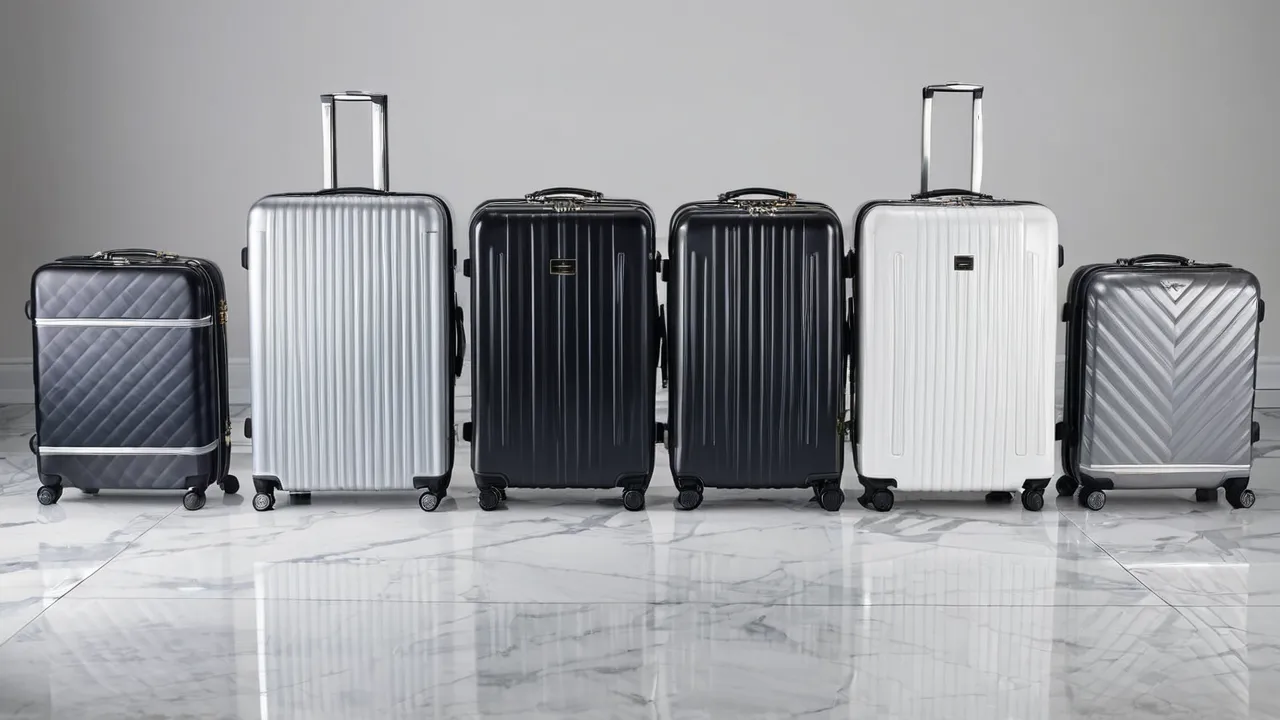
Checked luggage size is limited by two numbers, total linear inches and weight, and the common 24, 26, and 28 inch labels refer to bag height only. For most travelers a 24 or 26 inch bag packs enough for one to two weeks without hitting limits, while a 28 inch bag adds room but also adds empty weight and often pushes close to the linear cap. This guide gives a step-by-step method with numbers so you can choose a size that stays within the limits you face.
What the 24, 26, and 28 inch labels mean
Those numbers describe the approximate height of the bag, often measured without wheels or handles. They are a family of sizes, not an exact standard, so a 26 inch case from one brand can be taller or fatter than a 26 inch case from another. The labels help for comparison within a brand and help less across brands.
Airlines do not care about the label. They check the linear size, which adds height, width, and depth, and they check weight. Many US carriers set a limit of about sixty-two linear inches for standard checked bags and about fifty pounds for economy, but oversize and overweight fees apply when you exceed the stated limits, and these rules vary by carrier, route, and fare. Premium cabins and some loyalty tiers may allow more.
Because labels do not equal measured size, read the full dimensions on the product page and measure the bag yourself. A 28 inch case measured with wheels can approach or exceed the linear cap, especially with a deep body.
Step 1: Calculate linear inches
Linear inches are the sum of the three outside dimensions: height with wheels and handles, width, and depth. Use a flexible tape and measure at the widest points with the bag closed and packed normally.
| Typical label | Example outside size (varies by brand) | Example linear total | Fit versus a sixty-two inch cap |
|---|---|---|---|
| 24 inch | About 25 by 17 by 11 | About 53 | Comfortable margin |
| 26 inch | About 27 by 18 by 12 | About 57 | Moderate margin |
| 28 inch | About 30 by 20 by 13 | About 63 | At or over the cap |
The sizes in the table are illustrative. A deep or expandable 28 inch case can reach the cap, and a slim one can stay under it. If you fly across the Atlantic or on regional carriers, check the stated limit, since some set lower caps or count pieces and kilograms instead.
Step 2: Subtract empty weight to find real packing room
The shell weighs something before you put a single item in, and that empty weight reduces your packable allowance. A bag that weighs several pounds more than a rival with the same label leaves less room under a fifty pound cap.
Check the manufacturer’s stated empty weight. If it is missing, treat that as a reason to look further. Hard shells and frame-based soft bags vary a great deal, so compare within the same style.
Here is the method with numbers:
- Take the airline weight limit for your fare, for example fifty pounds.
- Subtract the bag’s stated empty weight, for example ten pounds for a large hard shell versus seven for a lighter soft case.
- The result is your real packing allowance, forty pounds in the first case and forty-three in the second.
A larger bag fills more easily, which tempts people to pack heavy shoes and bulky coats. A smaller bag limits the weight naturally and is easier to lift into a trunk or onto a scale. Also leave a margin of a couple of pounds, because scales at different airports can read slightly differently.
A quick check of the whole method: a 26 inch case that measures about 57 linear inches and weighs eight pounds empty leaves five linear inches of room under a sixty-two inch cap and about forty-two pounds of packing allowance under a fifty pound limit. A 28 inch case at 63 linear inches fails the size check before weight even matters. Run your own numbers before checkout, and write the results next to the airline limits so you can compare candidates side by side.
Step 3: Match size to trip length
Use these ranges as a starting point and adjust for climate and laundry access.
- 24 inch: a week for one adult, or a couple’s shared bag on a short break.
- 26 inch: ten days to two weeks for one adult, or a shared bag for a couple on a trip with laundry.
- 28 inch: long trips, winter clothing, or a move, when weight is watched carefully.
Climate matters. Winter coats and boots take more volume than summer clothes, so a bag that suits a summer week can be too small for winter. If you plan to shop on the trip, leave room or use an expandable bag, remembering that expansion adds to the linear size.
If you travel with someone else, two medium bags are easier to lift and spread the weight across two allowances. A single oversize bag concentrates the weight and risks a fee.
Handling and lifting realities
Weight limits are not only about fees. A fifty pound bag is hard to lift into a car trunk, up a flight of stairs, or onto a train rack. If you travel alone or have limited lifting capacity, a 24 inch bag packed to a lower weight is a better fit than a 28 inch bag at the limit. Look for strong grab handles on the top and side, since you will use them more than you expect.
Wheels and handles matter more on large bags. A big spinner with weak wheels can wobble when loaded, and a flimsy handle can bend under a heavy load. See how spinner and two-wheel designs differ for what to check.
Soft, hard, and expandable differences
The shell style changes how you read a size. A hard shell holds its shape, so the measured size is the size you get, which makes linear inches easy to predict. A soft shell can compress to fit a trunk, but stuffing it fully makes it bulge past its labeled depth. An expandable bag offers extra volume with the zipper open, but the expanded depth counts toward the linear total, and some owners forget to re-measure.
If you rely on expansion, measure both states. A bag that sits under the cap when closed and over it when open should be packed closed for flights and expanded only for the return when you can weigh it. Expansion zippers are also a stress point and are often the first closure to fail on a heavily packed bag.
Weight is enforced at check-in with a scale. A home scale or a hanging luggage scale takes the guesswork out, and weighing before you leave lets you move items to a carry-on or personal item instead of paying a fee at the counter.
Who should choose which size
Choose a 24 inch bag if you travel for a week or less, fly on carriers with tight limits, or want a bag you can easily lift. Choose 26 inches if you want a flexible size for two-week trips and moderate climates. Choose 28 inches if you regularly pack for long stays or cold weather and will watch weight closely.
Skip the 28 inch size if you mostly travel with stairs or small vehicles, if your carrier has a lower weight cap, or if you tend to fill any bag you carry. Skip the 24 inch size if you routinely need bulky gear or bring home purchases. For sets that offer all three sizes, the best travel luggage set roundup shows how they are usually grouped, and the how we review page explains how missing size data is treated.
Frequently Asked Questions
What is the maximum size for checked luggage?
Many US airlines list about sixty-two linear inches, which is height plus width plus depth, and about fifty pounds for standard economy bags. Limits differ by carrier, route, and fare class, and fees apply above them. Always read the baggage page for your specific airline before you pack or buy.
Is a 28 inch suitcase too big to check?
Not always, but it often sits close to the linear cap. A slim 28 inch case may pass while a deep or expandable one may not. Measure height with wheels, width, and depth, add them, and compare with your airline limit. The empty weight also matters, since a heavy shell reduces what you can pack.
What size suitcase do I need for a two-week trip?
A 26 inch bag is a common choice for one adult on a trip of about two weeks, especially if laundry is available. Choose 28 inches for winter clothing or long stays if you can keep weight under the limit. Count clothing volume rather than days, since bulky items take more room.
Do wheels count in checked luggage dimensions?
Yes, most airlines measure the full outside size, including wheels and handles. Product listings sometimes leave them out, so a bag labeled with a smaller height can measure larger in real life. Measure from the floor to the top of the handle housing with the handle retracted and use that number.
Final Thoughts
Pick the size from your limits, not from the label. Read the airline page for linear inches and weight, measure the bag, subtract its empty weight, and see what you can really carry. A 26 inch bag is a reasonable default for many travelers, but a lighter 24 inch bag may serve better if you are careful about weight.
Whatever size you choose, confirm the dimensions on the product page, keep a scale at home, and weigh the bag before you leave for the airport. That habit prevents most overweight surprises.
Related buying guides
- Coil vs Chain Zippers on Luggage: What Fails First
- Luggage for College Students: What Holds Up for Four Years
- Do Packing Cubes Save Space? How to Use Them
About the author

The BuyOnceChoice Editorial Team researches durable products worth buying once. Our guides compare published specifications, warranty terms, expert review consensus, and verified owner feedback. We do not conduct our own product trials. See How We Review and our Editorial Policy for our standards.