Hardside vs Softside Luggage: Which Lasts Longer
Zippers, shells, wheels and repair access decide which suitcase style lasts. Here is a buy-once view of both, with a verdict for each type of traveler.
 By BuyOnceChoice Editorial Team
Updated November 16, 2026
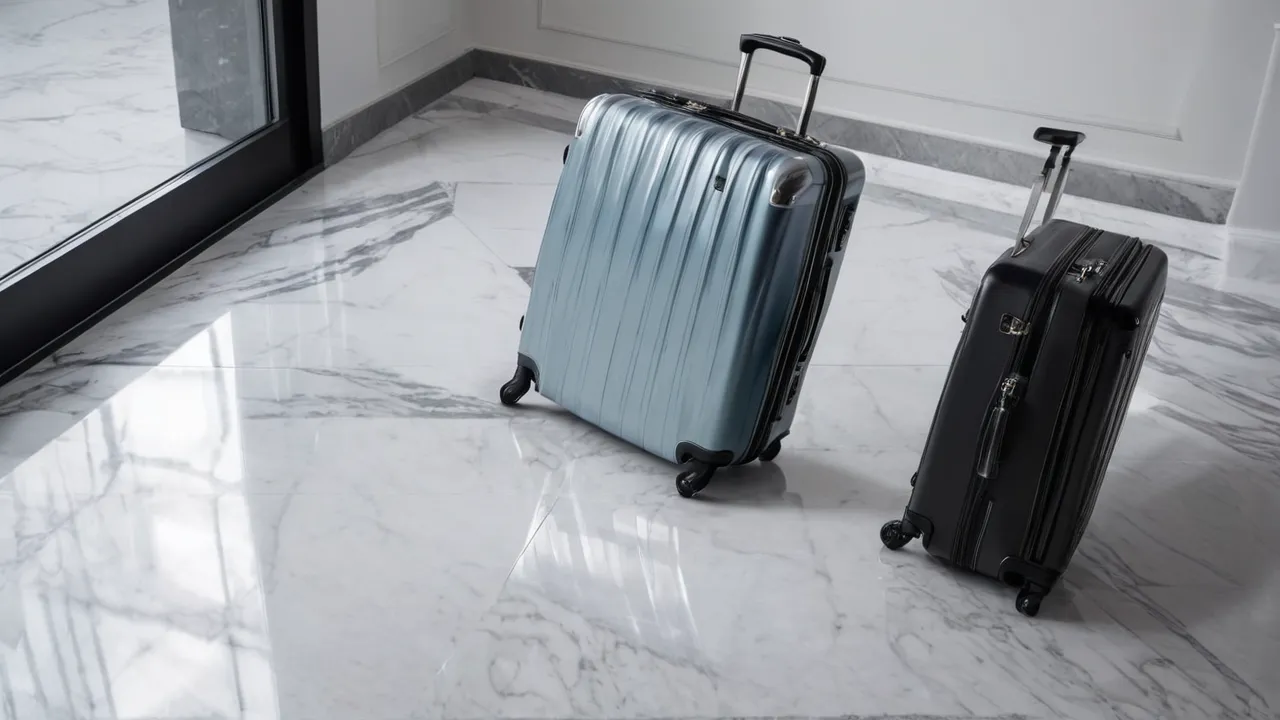
Hardside and softside luggage can both last for many years, but they break in different places: a hard shell usually fails by cracking or by a stressed zipper track, while a soft bag usually fails at the fabric, seams, or zipper pull. The better choice depends on how you pack, how roughly your bags are handled, and how easily the weak part can be repaired. This guide compares the two styles through failure points, not marketing claims, and it ends with a clear verdict for each kind of traveler. If you are shopping for a full range, the luggage sets category shows how both styles are usually offered.
Why the weight debate misleads buyers
Search results disagree about weight because they compare unlike bags. A premium polycarbonate case can be lighter than a budget softside with a thick frame, and a budget hard shell can be heavier than a thin ballistic nylon bag. Style alone does not predict empty weight. What the shape does predict is how the bag handles abuse. Hard shells resist rain and crushing but cannot squeeze into a tight overhead bin. Soft bags give a little, which helps with stuffed carry-ons, but they absorb water and dirt at the surface.
For a buy-once decision, the more useful question is which part of the bag wears out first and whether you can fix it. Empty weight still matters for the airline allowance, so read the manufacturer-stated weight on the product page and compare bags of the same size only.
Where each style actually breaks
Failure patterns here come from general category knowledge and typical owner experience, not from a single study. Treat them as tendencies.
Hardside failure points
- Cracked shell corners or a split along a seam, most often on low-grade shell material in cold conditions.
- Zipper track that spreads or splits when the case is overfilled, because the rigid halves cannot flex to relieve strain.
- Wheel housings that crack where they are bonded to the shell.
- Cosmetic scratches that never affect function but bother some owners.
Softside failure points
- Seam fraying and fabric abrasion at the bottom corners, where the bag drags and lands.
- Zipper pulls and sliders that wear out, especially with an overstuffed main compartment.
- Exterior pockets that tear first because they carry uneven loads.
- Fabric that holds stains and absorbs moisture unless it has a water-resistant coating.
Notice that the zipper is a risk in both styles. A larger, coil-style zipper with a sturdy slider and a rain flap tends to hold up better than a thin one, so look at the zipper itself, not just the shell or fabric.
Repair cost and repair access
Repairability is the least discussed trait and the most relevant for buying once. A soft bag can often be fixed by a local tailor or shoe repair shop: a new slider, a re-stitched seam, a patched corner. A cracked hard shell is harder. Small cracks can be reinforced, but a split shell usually means replacing the case or sending it back under warranty.
Wheels, handles and feet are the parts that affect both styles equally. Whether they are bolted on or riveted determines whether a repair is cheap or impossible. Before you buy, check whether the maker sells replacement wheels or telescoping handles, or offers a repair service. Our repair guides help you decide what a home fix can cover.
As a rule of thumb, the more modular the bag, the longer it stays in service. A soft bag with replaceable wheel assemblies can outlast a hard shell with fused ones, and the reverse is also true.
A simple repair-or-replace rule helps here. If the shell or frame is sound and the failed part is a wheel, handle, slider or seam, repair is usually worth it when the quoted cost is well under half the price of a comparable new bag. If the shell is cracked through, or two or three major parts have failed at once, a replacement usually makes more sense. Soft bags tend to meet the first condition more often because tailors can fix fabric and zippers, while hard shells pass it when wheels are bolted on and the shell is intact.
Shell materials inside the hard category
Hard shells are not all the same. Polycarbonate flexes slightly and tends to spring back after a hit, which many owners prefer for rough handling. ABS is stiffer and often lower in cost, and it can crack on a sharp corner drop. Blends sit between the two. Aluminum resists crushing but can dent. Check the product page for the stated material, and be cautious about listings that say only hard plastic.
Fabric choices inside the soft category
Soft bags vary as much. Ballistic nylon and other dense weaves resist abrasion at the corners, while thin polyester can scuff quickly. A water-resistant coating helps with rain but wears off with time. Look for the stated fabric, the weight or denier if the maker gives it, and reinforced corner panels.
Side by side: durability, protection and packing
| Trait | Hardside | Softside |
|---|---|---|
| Crush protection for fragile items | Stronger | Weaker, relies on padding |
| Water resistance | High at the shell, zipper is the weak point | Depends on fabric and coating |
| Overstuffing tolerance | Poor, shell cannot flex | Better, fabric stretches |
| Exterior pockets | Rare | Common and handy |
| Typical wear sign | Scratches, scuffs, cracks | Abrasion, frayed seams |
| Repair by local shop | Limited | Often possible |
Hardside rewards disciplined packers who zip a bag without forcing it. Softside rewards travelers who pack to the last inch and want quick access pockets. If you are unsure, the softside option in our best softside luggage set guide is a reasonable place to start, and the best travel luggage set guide lists hard-shell picks by quality.
Who should choose each style
Choose hardside if you ship fragile items, travel in wet climates, or want a clean look that wipes off. It suits people who rarely overpack and who plan to use the case as a stand-alone bag rather than squeeze it into a small bin.
Choose softside if you often cram the bag into tight compartments, value exterior pockets, or need a bag that gives a little under pressure. It also suits anyone who wants an easy fix at a neighborhood repair shop.
Skip hardside if you regularly overstuff the case or travel mostly in very cold conditions where shells get brittle. Skip softside if you commonly check bags through rough handling or tend to leave luggage outdoors in the rain with no cover.
A quick inspection routine before you commit
Whether you shop online or in a store, the same checks reveal most weak builds. Start with the zipper: run it fully open and closed and see whether the teeth look even and the slider moves without catching. A zipper that feels gritty on day one will not improve with use. Next, look at wheel mounting. Wheels held by visible screws or a removable housing can be serviced, while wheels molded into the base are throwaways.
Press on the shell or fabric near the corners, where impact lands. A hard shell should flex slightly and return to shape. Fabric should feel dense, with tight stitching and reinforced corner patches. Extend the handle and shake it side to side: a wobbly handle on a new bag becomes a loose one within a few seasons. Finally, check the interior lining and straps, because a flimsy lining often signals corners cut elsewhere.
Online buyers can still inspect by reading product photos closely and by looking for the maker’s stated details on materials, zipper type and replaceable parts. If those details are missing, treat that as a signal in itself.
Check the warranty before you decide
A style can look durable on paper and still be a poor choice if the warranty excludes the parts that fail first. Read what is covered: wheels, handles, zippers, and airline damage are the usual disputes. A long term does not help if it excludes normal wear or airline damage. The criteria used on this site to judge such claims are explained on our how we review page.
Register the purchase, keep the receipt, and photograph damage promptly. These habits matter more than the shell choice if a claim is ever needed.
Frequently Asked Questions
Is hardside or softside luggage more durable?
Neither is more durable in every case. Hardside resists crushing and weather but can crack and split a zipper track when overfilled. Softside absorbs impact and is easier to repair, but fabric can abrade and seams can fray. Match the style to how you pack and handle bags.
Which type of luggage is easier to repair?
Softside is usually easier, because a tailor or shoe repair shop can replace a slider, restitch a seam or patch a corner. A cracked hard shell is harder to fix. Wheels and handles can be repaired on either type if the parts are bolted on rather than riveted.
Does hardside luggage protect fragile items better?
Generally yes against crushing, since a rigid shell keeps its shape under stacking. Soft cases absorb drops but can be squeezed. In both cases wrap breakables and pack them in the center of the bag, and carry irreplaceable items in the cabin.
Final Thoughts
Neither style wins outright. Hardside favors careful packers who want protection and weather resistance. Softside favors flexible packers who need pockets and local repairability. In both cases the zipper, wheels and warranty terms matter as much as the shell or fabric. Pick the style that matches how you actually pack, then compare real construction details on the product page, including zipper size, wheel attachment, and what the repair policy covers.
Related buying guides
- How Long Does Luggage Last? Lifespan by Type
- How to Choose a Carry-On Suitcase: Size, Shell, Wheels
- How to Choose Luggage for a Cruise
About the author

The BuyOnceChoice Editorial Team researches durable products worth buying once. Our guides compare published specifications, warranty terms, expert review consensus, and verified owner feedback. We do not conduct our own product trials. See How We Review and our Editorial Policy for our standards.