How Long Do Portable Generators Last? Hours and Care
Generator lifespan is quoted in hours, but owners think in years. Learn the conversion, the habits that shorten life and what to check before buying.
 By BuyOnceChoice Editorial Team
Updated November 16, 2026
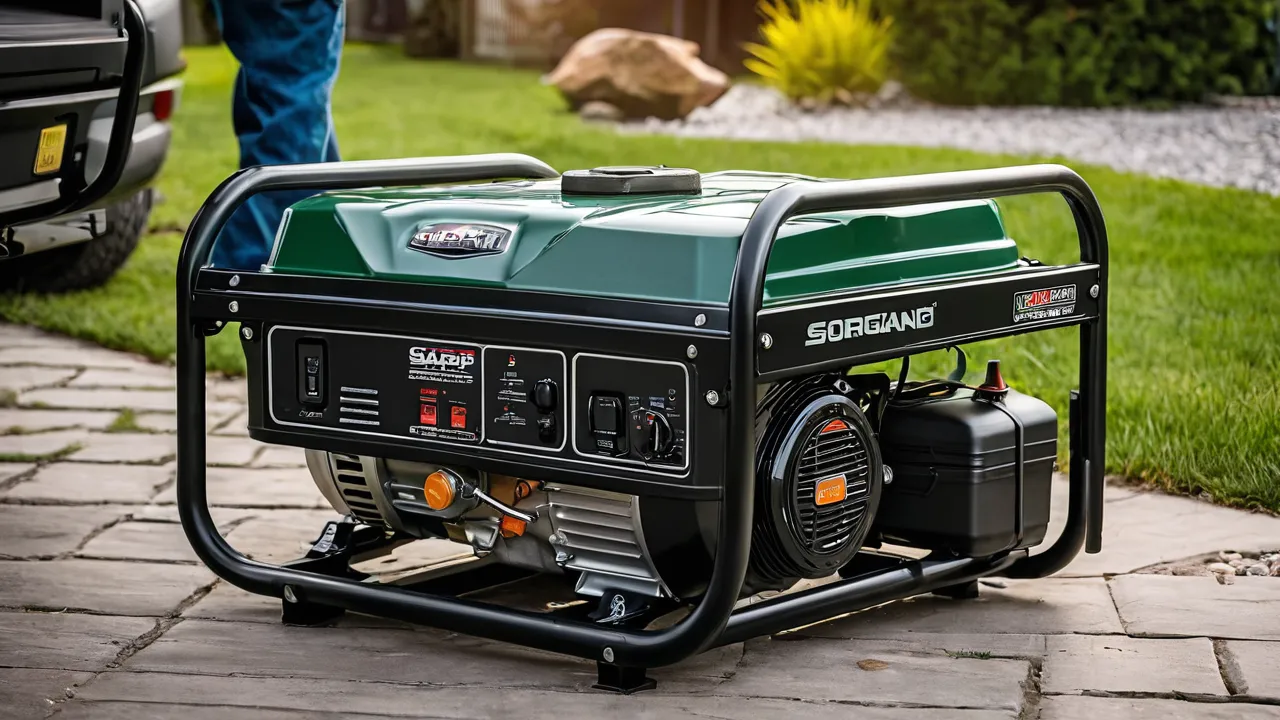
How long portable generators last depends on how many hours they run and how well they are maintained. Makers and shops quote lifespans in running hours, and the number of years that equals depends on whether you use the generator as an occasional storm backup or as a regular power source. A backup generator that runs a few dozen hours a year can last many years if it is maintained, while a unit run heavily every week wears out far sooner.
Hours are the unit, years are the question
Engines wear by running time, not by calendar. That is why published ranges vary so widely: they depend on the engine class, the load and the care. Treat any specific hour figure you find as a rough statement and check what the manufacturer says for your model. What you can do is convert hours into years for your own pattern of use.
A worked conversion
Use round numbers for illustration. Suppose a generator is rated by its maker or a shop at a certain number of total running hours before major wear. If you run it twenty hours a year for storm outages and a few trial runs, a thousand hours would take many decades, so age, fuel problems and corrosion will end its life long before the engine wears out. If you run it two hundred hours a year on a job site, the same thousand hours is five years. These are examples, not promises, and your real figure comes from your manual and your usage log.
Three owner profiles
- Occasional backup owner: runs it a few times a year. The enemies are stale fuel, a gummed carburetor, a dead battery and a forgotten storage routine, not engine wear.
- Regular user, such as a camper or tailgater: runs it dozens of hours a year. Oil changes, air filter care and valve checks matter, and an inverter unit with a quieter engine suits this use.
- Heavy user: runs it for work or as a main power source. A commercial-grade engine, an oil-change schedule by hours and a plan for rebuilds make sense, and a standby unit may be more economical.
Pick your profile before comparing models, because the right unit for one is wrong for another.
What shortens a generator’s life
- Stale fuel that gums the carburetor or fuel injectors.
- Running at or above rated load for long periods.
- Skipped oil changes, since small engines run hot and oil breaks down.
- Dirty air filters and clogged spark arrestors.
- Water, dust and rust from poor storage.
- Overfilling oil or fuel and running on uneven ground.
- Starting under heavy load without letting the engine warm up.
Fuel is the most common problem. Gasoline degrades, and ethanol blends can absorb moisture. Use fresh fuel, add stabilizer as directed, and either run the carburetor dry or drain it before long storage, per the manual.
Maintenance that adds years
Follow the manual’s schedule. Typical items include an early first oil change, regular oil changes by hours or season, an air filter check, a spark plug check and a valve clearance check at the stated interval. Run the generator under load for a while every few months so the engine, battery and fuel system stay active. Keep a log with dates, hours and what you did. A logged routine tells you what is due and gives a buyer confidence if you ever sell.
Store the generator in a dry, ventilated space away from living areas, and keep it covered but not sealed in plastic. Never run it in a garage, and let it cool before covering or refueling. Replace the battery on electric-start models on schedule and keep the starter cord intact.
Engine class and build
Open-frame conventional generators often use larger, simpler engines that suit heavy or long runs and are easier to service. Inverter generators use smaller, quieter engines with electronics that adjust speed to load, which saves fuel at light load. Their electronics add parts that may fail, and repair costs vary. Cast-iron-sleeved engines and commercial-grade engines are often built for longer duty than light consumer engines, but check the manual and warranty to see what the maker claims and covers.
Weight, tank design and cooling also matter. A unit with a metal frame, a sturdy fuel tank and good ventilation tends to survive rough handling better than a light plastic-heavy model. Larger machines such as those in our best 13000 watt portable generator coverage are built for heavier loads and carry their own care routines.
Parts and service: the quiet factor
A generator whose engine is widely used has parts and service shops nearby. A unit with a rare engine can be hard to repair, which shortens practical life. Before buying, check that filters, plugs, carburetors, recoil assemblies and fuel valves are listed and available, and that a local service dealer can work on the brand. Read the warranty terms, including what counts as normal use and what the warranty covers.
When repair stops making sense
Repair when the problem is a clogged carburetor, a bad spark plug, a failed switch or a dead battery, since those are inexpensive. Consider replacement when the engine loses compression, burns oil heavily, knocks or has a cracked housing or alternator failure that costs close to a new unit. Compare the repair quote with the cost of a replacement and the value of the safety you gain. A generator that is unreliable is a risk when you need it most.
Safety reminder for older machines
Older generators can have worn fuel lines, cracked tanks and damaged cords. Inspect them before each season, replace anything brittle and never run a unit that smells of fuel indoors. Run generators outdoors only, far from windows, doors and vents, and keep battery-powered carbon monoxide alarms working. Use a licensed electrician for any house connection. Our portable generators category covers related guides, and how we review explains how we weigh durability claims.
A maintenance log you can copy
Keep a card with the generator and fill it in each time you run or service it. Write the date, the hour meter reading if the unit has one, the oil level, the fuel type and age, what load you ran and any odd noise or smell. Add service entries: oil change, filter cleaned, spark plug replaced, valves checked, battery replaced. After a year the card shows how many hours you actually use, which turns the vague question of years into a clear estimate. It also tells you when the next oil change is due without guessing, and it helps a technician if something goes wrong.
Estimating your own lifespan
Estimate in three steps. First, count how many hours you run the generator in a typical year, including trial runs. Second, find the maker’s maintenance intervals in hours, and compare them with your yearly hours to see how often you will service the engine. Third, ask what is more likely to end the unit: wear from hours or age-related problems such as fuel degradation, corroded fuel lines, a failed battery and cracked hoses. Light users should focus on storage and fuel care, and heavy users on oil, filters and parts. Either way, the best predictor of a long life is a routine that you actually follow.
Warranty length as a clue
A longer warranty on the engine and alternator suggests the maker expects the machine to last, but read what is covered, what counts as commercial use and whether the warranty starts from the purchase date or the hour meter. Some warranties are shorter for rental or commercial use. A warranty is not a lifespan, and it does not replace maintenance. Use it as one input along with parts availability and the reputation of service in your area.
What to buy for a long service life
- Choose an engine from a widely supported maker so parts and service are easy to find.
- Match the generator to your load with margin, so it does not run at its limit.
- Look for features that protect the engine, such as low-oil shutoff, a sturdy air filter and a good fuel valve.
- Prefer a model with a fuel gauge and an hour meter, which makes maintenance easy to track.
- Choose a size you can move and store, because a unit that is too heavy to handle gets neglected.
Frequently Asked Questions
How many hours does a portable generator last?
Published ranges vary widely by engine class and care, so check your manual and maker. For a unit used only for storm backup, age and fuel problems usually matter more than hours. A heavily used unit accumulates hours quickly and needs a maintenance schedule by hours.
How long can a portable generator run continuously?
It depends on the fuel tank and the load. Makers list runtime at a stated load, often half load. Check the manual for continuous run limits, refuel only after the engine cools, and give the machine rest if the maker advises it.
Does a generator last longer if I run it regularly?
Periodic running under load keeps the fuel system, battery and seals active, which helps. Running it for hours without need adds wear. A short run every few months, with fresh fuel and an oil check, is a sound routine.
When should I replace a portable generator?
Replace it when major engine repairs approach the cost of a new unit, when it is unreliable, or when parts are no longer available. Frequent no-starts, compression loss or fuel leaks are signs to evaluate repair against replacement.
Final Thoughts
A portable generator can last many years as a backup if you keep fuel fresh, change oil on schedule, store it dry and run it periodically. A heavily used unit wears by the hour and needs a stronger engine and a stricter routine. Judge by hours, your usage profile, parts availability and warranty terms rather than a single number of years, and keep safety rules first.
Related buying guides
- How to Choose a Quiet Generator: Noise Ratings Explained
- How to Store Gasoline and Prep a Generator for Storage
- Inverter vs Conventional Generator: Which to Buy Once
About the author

The BuyOnceChoice Editorial Team researches durable products worth buying once. Our guides compare published specifications, warranty terms, expert review consensus, and verified owner feedback. We do not conduct our own product trials. See How We Review and our Editorial Policy for our standards.