How Long Does a Whole House Generator Last
Published hour figures disagree. See how run pattern, service quality and climate decide generator life, and how a plan and warranty fit a buy once approach.
 By BuyOnceChoice Editorial Team
Updated November 16, 2026
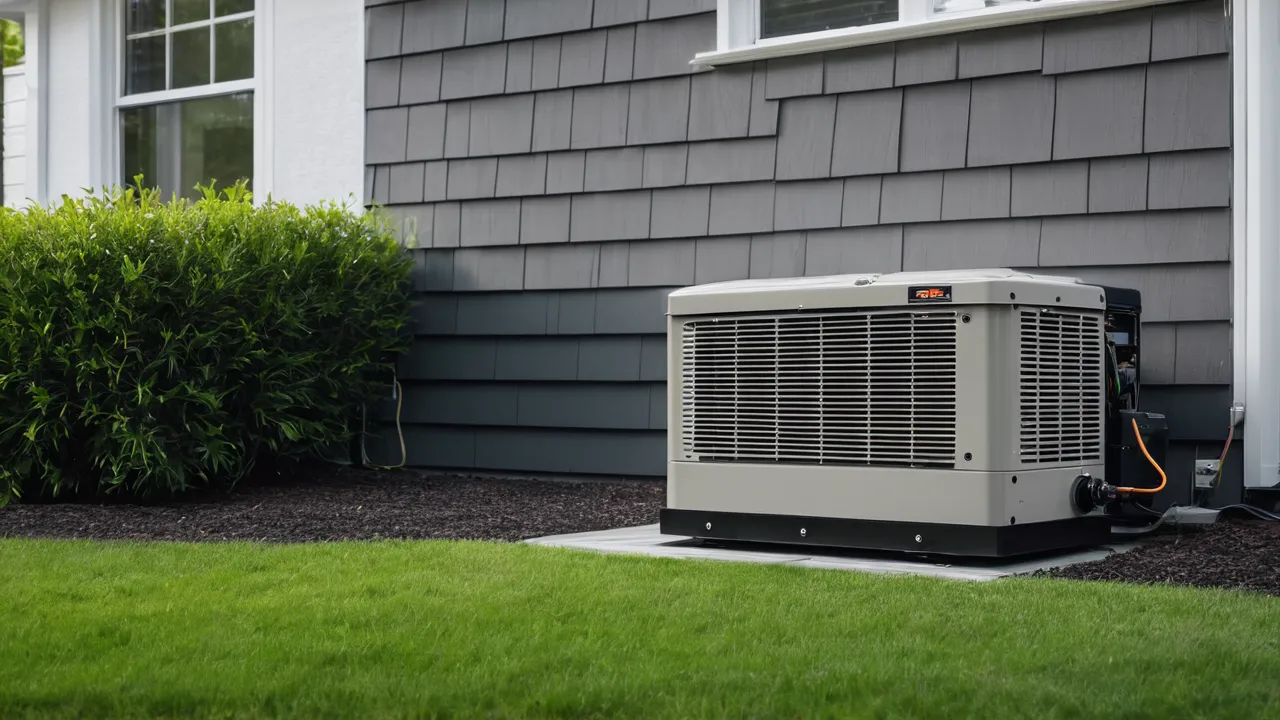
A whole house generator is commonly cited as lasting about 10 to 25 years with regular service, and some last longer, but the number of hours matters as much as the years. Most standby generators run only a few hundred hours over their life if used for outages and weekly exercise, so maintenance quality, engine type and climate matter more than the calendar.
Why the Numbers Conflict
You will see different numbers because makers and installers measure different things. Some quote calendar years, some quote engine hours and some quote what a well maintained unit might achieve. A generator that runs a few hours each year may reach 20 years or more, while one that runs long outages every winter accumulates hours faster. Hours also depend on the weekly exercise run, which adds up. Treat any single number as a rough guide, and ask the maker or installer what life they expect and under what conditions.
Read the fine print in marketing claims. A statement such as built to last for thousands of hours refers to engine hours, and a home generator rarely reaches that many. A statement such as lasts decades usually assumes light use and regular service. Neither tells you what your unit will do. Ask for the duty rating, the service schedule and the warranty, and compare those instead of slogans.
Air-Cooled Versus Liquid-Cooled
Most residential standby generators are air cooled. They are compact and lower cost, and they are designed for typical home outage use. Larger units, often above a certain output, are liquid cooled, with a radiator and a larger engine similar to automotive engines. Liquid cooled units usually offer longer expected life under heavy use because they run cooler and have sturdier engines, but they cost more to buy and service.
Choose based on how you use it. For a home that sees a few outages a year, air cooled is typically enough. For a property with long or frequent outages, a larger liquid cooled unit may offer longer service. Check the engine design and the maker’s stated duty rating in the manual.
Check the details of the engine. Air cooled units rely on airflow around the engine, so clearances and clean vents matter. Liquid cooled units rely on coolant levels and a radiator, so coolant service is part of maintenance. Neither is maintenance free. Ask the installer about parts availability for the engine and the controller, because parts for common engines are usually easier to find.
Run Pattern: How You Use It
Hours of operation are the main wear factor. Each hour of run time adds wear to the engine. A unit that runs 10 to 50 hours a year can last a very long time, while one that runs hundreds of hours a year ages faster. Load matters too: running at light load for long periods can cause incomplete combustion and carbon buildup, and running at heavy load for long periods increases heat and wear. Size the generator to your loads so that it runs in a healthy range, and avoid undersizing, which strains the engine.
Weekly Exercise Is Good, Not Optional
Standby generators run a short self check cycle every week, commonly around 5 to 20 minutes depending on the model. This keeps parts lubricated, charges the battery and shows problems early. Do not disable it. Set the day and time in the controller as the manual describes, so it does not run at inconvenient hours. If your generator has an exercise mode that runs under load, check the manual. A unit that never runs is more likely to fail when needed than one that exercises regularly.
Service Quality Is the Biggest Lever
Regular service is the strongest influence on life. Follow the maker’s schedule, which usually includes yearly inspection and oil and filter changes, spark plugs, an air filter, valve checks as specified, battery replacement every few years and checks of the transfer switch and fuel connections. Use a qualified technician authorized by the maker, and keep records. Skipping service shortens life and may void warranty coverage. Also keep the area around the unit clear of leaves, snow, mulch and pests.
Keep a service binder or folder. Include the installation permit, the manual, each service report and a list of parts replaced. Note the hours shown on the controller at each service. This record helps the technician diagnose problems, supports warranty claims and increases the unit’s value if you sell the house. If your technician offers a service plan, read what it covers, such as parts, labor and emergency calls, and how quickly they respond after storms.
Warranty and What It Tells You
Read the warranty for length and what it covers. Many standby generators carry warranties in the range of a few years, and some makers offer extended options. The warranty may depend on registration, professional installation and annual service. A longer warranty suggests confidence, but it is not a lifetime prediction. Ask about parts availability, since a model that cannot get parts is hard to keep running. See the whole-home generators category.
Signs a Generator Is Wearing Out
- Hard starting or failure to start during exercise.
- Rough running, surging or loss of power under load.
- Excess smoke, oil consumption or leaks.
- Unusual noises, vibration or overheating.
- Frequent fault codes or transfer switch problems.
- Repair bills increasing from year to year.
Check the controller’s alerts, and call the technician if any of these appear. Do not ignore a failed weekly exercise.
Decision Rules by Buyer Type
- Few short outages: an air cooled unit with annual service can last a long time.
- Frequent or long outages: choose a robust unit, possibly liquid cooled, and budget for service.
- Coastal or harsh climate: look for corrosion resistant enclosures and keep the unit clean.
- Older generator with rising repair costs: compare repair against replacement.
Plan for storms. Before each storm season, check the generator’s controller for alerts, make sure the battery is healthy, clear debris and confirm gas or propane supply. If you use propane, check the tank level and schedule a refill. Make a note of the technician’s phone number. These steps help ensure that the generator does its job when everyone else is calling for service.
Safety and Professional Work
Standby generators connect to your gas line and electrical panel, and mistakes can cause gas leaks, fires and backfeed. Use licensed professionals for installation, repair and service. Never run a generator indoors, in a garage or near doors, windows and vents, and keep carbon monoxide alarms working in the home. Follow the manual and local code.
How Climate and Site Affect Life
Coastal salt air corrodes enclosures and parts, so rinse and inspect more often. Hot, humid climates stress cooling and electrical components, and cold climates stress batteries and oil, so check the manual for cold weather kits and battery care. Make sure the pad is level and drains, and keep vegetation, snow and debris away from the unit and its vents. Rodents can damage wiring, so use the preventive measures your service technician suggests.
What a Realistic Timeline Looks Like
Consider a well maintained unit installed in a mild climate. In the early years, you service it yearly and replace the battery. In the middle years, you may replace spark plugs, belts or other wear items as scheduled. Around the second decade, repairs become more likely, such as a failed controller, a voltage regulator or engine wear. At that point you decide whether to repair or replace, based on the repair estimate and how often outages occur.
Repair or Replace
Use a simple rule. If the repair is a routine part and the generator is otherwise in good shape, repair it. If a major component, such as the engine or alternator, fails and the unit is old, compare the repair cost with the cost of a new unit, and consider parts availability. A new unit comes with a new warranty and often better features, but the installation of a replacement may be simpler if the pad, gas line and transfer switch are suitable. Ask a qualified technician for a written estimate and recommendation. See the portable generator category and how we review.
Frequently Asked Questions
How long do whole house generators last?
Commonly cited as about 10 to 25 years with regular service, depending on engine type, hours of use, climate and maintenance. Calendar years matter less than engine hours and service. Ask the maker and your installer what to expect for your model. Longer outages and heavy loads add hours faster.
Do whole house generators need yearly service?
Yes, most makers recommend annual service by a qualified technician, including oil and filter changes, spark plugs and checks of the transfer switch. Skipping service shortens life and may affect the warranty. Keep service records. Service also helps catch small problems before an outage.
Is an air cooled generator less durable than a liquid cooled one?
Often for heavy use, yes, because liquid cooled engines run cooler and are built for longer duty. For typical home use with occasional outages, a well maintained air cooled unit can last many years. Match the unit to your outage pattern.
When should I replace my standby generator?
Consider replacement when repairs become frequent or costly, parts are hard to find, it fails to start reliably or it no longer meets your loads. Get a written estimate from a qualified technician and compare it with replacement. A qualified technician can also check whether the transfer switch and wiring are still sound.
Final Thoughts
Expect roughly 10 to 25 years, as commonly cited, from a whole house generator, with service quality, run hours and climate deciding where in that range yours lands. Keep up the weekly exercise and annual service, and use licensed professionals for repairs and any gas or electrical work.
Related buying guides
- Inverter vs Conventional Generators: What to Buy
- Natural Gas vs Propane Standby Generators
- Portable vs Standby Generators for Home
About the author

The BuyOnceChoice Editorial Team researches durable products worth buying once. Our guides compare published specifications, warranty terms, expert review consensus, and verified owner feedback. We do not conduct our own product trials. See How We Review and our Editorial Policy for our standards.