How Long Do Portable Power Stations Last
A cycle rating becomes years only when you know how often you recharge. See usage patterns, habits that age batteries faster, and what warranty terms mean.
 By BuyOnceChoice Editorial Team
Updated November 16, 2026
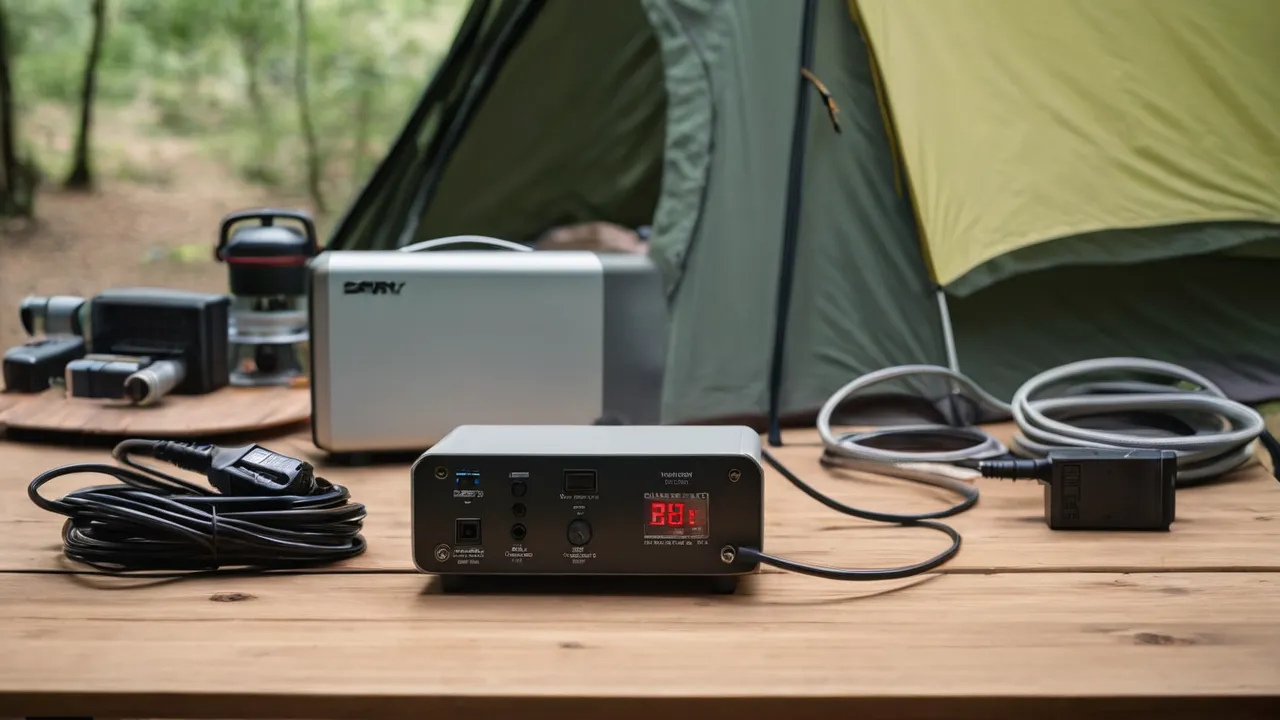
Portable power stations commonly last several years to a decade, depending on battery chemistry, how often you cycle them and how they are stored. The battery cells usually wear out first, measured in charge cycles. Lithium iron phosphate units often list thousands of cycles to a stated capacity, and other lithium chemistries often list fewer, so check the specification sheet.
What Wears Out First
The battery cells are the main wear item. Each full charge and discharge slightly reduces capacity, and age and heat add to the loss. Other parts can fail earlier, including cooling fans, outlets, ports, the inverter and the battery management system. A unit can feel dead when a port or inverter fails, even though the cells are fine, so reading the warranty and looking at repair options matters.
Manufacturers rate battery life in cycles to a stated capacity, such as 80 percent of original. That means a battery that has reached the stated cycles can still work, with reduced runtime.
Find the battery type on the specification sheet, since it sets expectations. Lithium iron phosphate cells tolerate many cycles and heat better than some other lithium chemistries, and they are common in newer units. Other lithium chemistries are lighter and more energy dense but often list fewer cycles. Neither is better in every case: if weight matters on a trip, a lighter unit may be the right choice, and if you plan daily use at home, longevity may matter more.
Turning Cycle Ratings Into Years
A cycle rating becomes years when you estimate how often you cycle. Suppose a unit is rated for 3,000 cycles to 80 percent. If you fully cycle it once a week, that is 52 cycles a year, and 3,000 cycles would take nearly 58 years, so age and other parts will end its life long before cycles do. If you fully cycle it daily, 3,000 cycles take about eight years.
Most owners use a portable station occasionally, for camping, travel and outages, so calendar aging, storage conditions and part failures matter more than cycles. A unit rated for 500 cycles that you cycle fifty times a year lasts ten years in theory, but battery aging also occurs with time. Treat the numbers as guides, not guarantees.
Try the calculation for your pattern. Write down how many times a year you expect to drain the battery from full to empty. Count partial uses as fractions, so two half cycles equal one full cycle. Divide the rated cycles by that number for the years of cycle life, and compare it with the warranty and the age you would expect from calendar wear. If cycle life is far longer than you will own the unit, ignore it and focus on storage and care.
Habits That Shorten Life
- Leaving the unit in a hot car or in direct sun.
- Charging or discharging in freezing temperatures, unless the manual allows it.
- Keeping it at 100 percent or empty for long periods.
- Running it at maximum output for long periods without airflow.
- Blocking vents or covering the unit during use.
- Using unapproved chargers and cables.
- Dropping it or exposing it to water.
A few small changes help. Do not leave the unit plugged in at full charge for months on end if the manual advises against it. Do not run it in a closed cabinet. Do not charge it right after bringing it from a freezing garage, and let it warm up first. Keep the vents clear of dust, and use the supplied cables, since thin or damaged cables overheat. These steps cost nothing and keep the unit working through its warranty and beyond.
Storage Habits That Help
For storage of several weeks or months, many manufacturers recommend a partial charge, often around 50 to 80 percent, in a cool, dry place within the temperature range in the manual. Check the manual for the recommended level, since it varies. Top up the charge every few months, because batteries self discharge slowly, and do not let the battery sit empty. Keep the unit off concrete floors if the manual advises, away from heat and flames, and out of reach of children.
Choose a storage spot in advance: an interior closet or shelf away from windows, heaters and water. Put a reminder on your calendar every three months to check the charge level, and record the date on a tag on the handle. If you store the unit in a vehicle for emergencies, understand that car interiors reach temperatures well beyond the range in most manuals, so bring it inside when it is very hot or very cold. Keep the manual, cables and any adapters in one bag with the unit so that it is ready to use.
Reading the Warranty
Look at the term, which often ranges from one to five years for power stations, and what it covers: battery capacity, electronics or both. Check whether the warranty requires registration, what counts as misuse and who pays shipping for a repair. A longer warranty, and one that states a capacity guarantee, tells you more about the maker’s confidence. Also check that parts and support are available.
Keep the receipt and the serial number, register the product if the maker asks and write the date on the unit. When a problem appears, contact the maker before opening the case, and describe the symptom, the date and your usage. Note whether the warranty covers shipping and how long repairs usually take, since a unit you need for emergencies should not sit in a repair queue for weeks.
Signs a Unit Is Wearing Out
- Runtime is much shorter than when new.
- The unit shuts off under loads it once handled.
- The display shows large swings in percentage or odd readings.
- Fans run loudly or constantly.
- Ports or outlets stop working.
- The case swells, leaks or smells, which are safety issues. Stop using it and contact the maker.
Do a simple runtime check once or twice a year with a known load and a plug-in watt meter, and compare with the specification.
Keep a simple log. Once or twice a year, run a known load such as a lamp or small heater of known watts from full charge until the unit shuts off, and note the time. Multiply watts by hours for watt hours delivered, and compare with the rating. Do this only if the manual allows running to low charge. A drop of more than about 20 percent from the earlier reading suggests the battery is aging.
Who Should Care Most, and Who Can Relax
Owners who cycle a unit daily, such as van lifers, off grid users and people using it as a daily backup, should look carefully at cycle ratings and warranties. Occasional users can relax about cycles and focus on storage, heat and keeping the battery charged. For emergency use, check the unit every few months so it is ready.
Safety Notes
Never charge or store damaged, swollen or hot battery packs. Keep the unit away from heat, flames and flammable materials, use it in a dry place within the temperature range and do not cover the vents. Do not open the case. If it smells, leaks or overheats, stop using it, move it away from flammables if it is safe to do so and contact the manufacturer. Recycle old batteries at a collection site rather than trash.
How Charge Level and Depth of Discharge Change the Math
Shallower cycles generally wear a battery less than deep ones. Using only the middle of the range, for example 20 to 80 percent, for daily use can extend life compared with full cycles, though it reduces usable runtime. Some units have settings for charge limits, and an app may let you choose.
Why Two Identical Units Can Age Differently
Two units of the same model can age differently because of temperature, charge habits, the number of high power uses and storage. One kept in a cool closet and cycled lightly can outlast another used in a hot truck. Manufacturing variation also plays a role. See the portable power station category, the power and energy section and how we review.
Frequently Asked Questions
How many years does a portable power station last?
Many last several years to a decade with careful use, depending on the battery chemistry, cycles, heat and storage. Check the cycle rating and warranty, and treat the figures as guides. Keep the unit cool and charged to a moderate level when stored.
How many cycles does a power station battery have?
It varies by chemistry. Lithium iron phosphate units often list thousands of cycles to a stated capacity, such as 80 percent, while other chemistries list hundreds. Check the specification sheet and the conditions assumed, and remember that age also matters. Heavier daily use reaches those cycle counts sooner than occasional use.
Should I keep my power station fully charged?
Not for long storage. Many makers recommend storing at a partial charge, often around 50 to 80 percent, in a cool, dry place and topping it up every few months. Follow your manual, since recommendations differ. A cool storage place helps as well.
Can a power station battery be replaced?
Some manufacturers offer battery replacement or service, and many sealed units do not. Check the warranty and support options before you buy, and do not open the case yourself because of fire and shock hazards. Ask the maker about service options before you buy.
Final Thoughts
Expect several years of useful life, keep the unit cool, store it at a moderate charge and avoid deep, frequent cycling when you can. Read the warranty, watch for signs of wear and follow the manual’s safety guidance.
Related buying guides
- How to Choose a Portable Power Station
- LiFePO4 vs Lithium Ion Power Stations: Which Lasts
- Pass Through Charging: What Matters on a Power Station
About the author

The BuyOnceChoice Editorial Team researches durable products worth buying once. Our guides compare published specifications, warranty terms, expert review consensus, and verified owner feedback. We do not conduct our own product trials. See How We Review and our Editorial Policy for our standards.