LiFePO4 vs Lithium Ion Power Stations: Which Lasts
Cycle ratings and cold-weather claims conflict from seller to seller. Here are the honest trade-offs between the two chemistries and a rule for who needs which.
 By BuyOnceChoice Editorial Team
Updated November 16, 2026
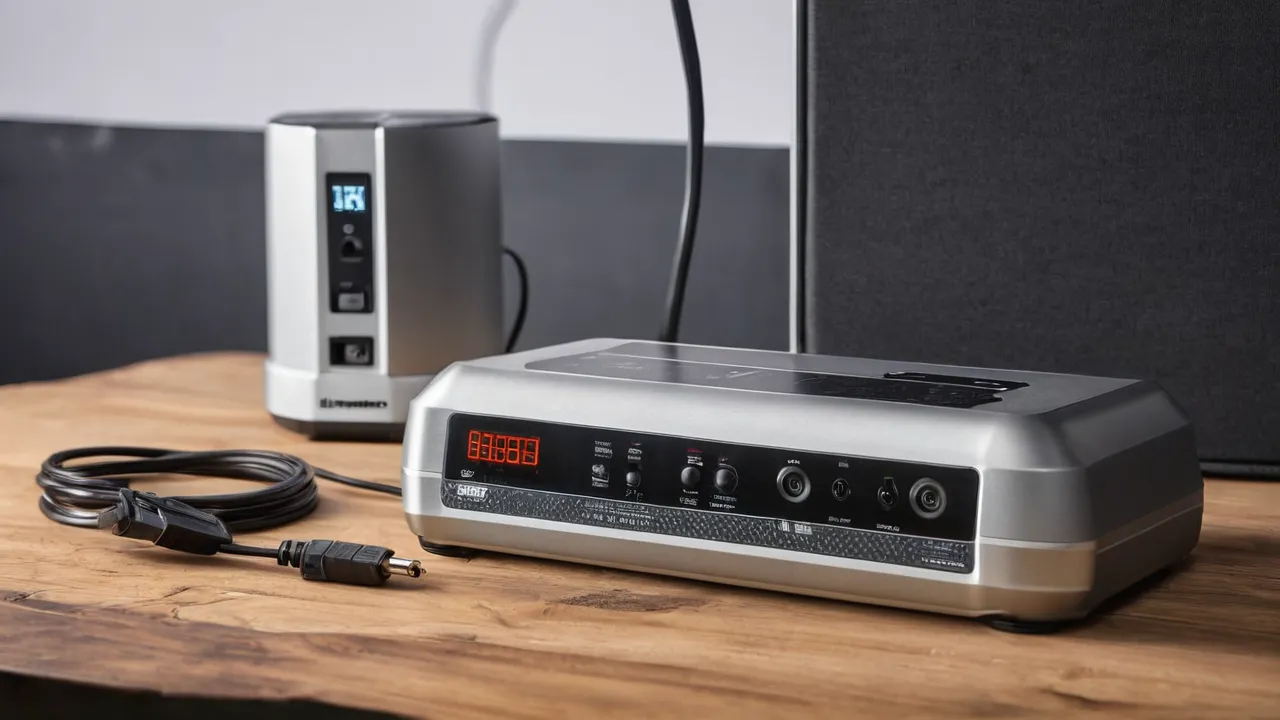
LiFePO4 (lithium iron phosphate) and lithium-ion in a power station comparison usually means nickel-manganese-cobalt (NMC) cells, and the practical difference is this: LiFePO4 packs are generally rated for far more charge cycles and handle heat better but weigh more for the same capacity, while NMC packs are lighter and more compact but typically wear out sooner. For a unit you will keep and use often, LiFePO4 is usually the better long-term choice, and for a light pack you carry on trips, NMC can be reasonable.
Seller pages conflict on cycle counts and cold-weather behavior, so this guide gives honest trade-offs and tells you which numbers to read in the manual. Browse the portable power station category to compare models, see how we review for our approach to specifications, and visit our solar generator category if you plan to pair a unit with panels.
What the Two Names Actually Mean
Both chemistries are lithium-ion in the broad sense, since lithium ions move between electrodes as the battery charges and discharges. In shopping language, though, lithium-ion means cells such as NMC or similar nickel-based chemistries, and LiFePO4 means lithium iron phosphate. The cathode material differs, and that single change drives most of the differences in life, safety margin, weight, and voltage.
Product pages may use words like lithium polymer, ternary lithium, or simply lithium battery. When the chemistry is not named in the specifications or the manual, ask the manufacturer before you buy. A listing that avoids naming the chemistry makes comparison impossible.
Cycle Life: Read the Endpoint, Not the Headline
A cycle is one full discharge and recharge. Makers rate cycles to an endpoint, usually when capacity drops to a stated percentage of the original, often eighty percent. LiFePO4 stations are commonly rated in the range of a few thousand cycles, while NMC stations are often rated in the hundreds to a couple of thousand. Those ranges are broad, and conflicting figures exist across brands, so compare the number and its endpoint for the specific model.
Convert cycles to years for your habits. If you use a unit twice a week, five hundred cycles is about five years, and three thousand is far longer than the unit’s useful life. If you use it only for rare outages, calendar aging matters more than cycle count, and both chemistries age slowly when stored properly. Depth of discharge also matters: shallow cycles generally extend the life of either chemistry.
Weight, Size, and Portability
NMC cells pack more energy into a given weight and volume, so a NMC station of a given capacity is generally lighter and smaller. LiFePO4 stations of the same capacity weigh more, sometimes noticeably. If you carry the unit up stairs, haul it to campsites, or fly with it in checked luggage where allowed, weight can matter more than cycle life. If it sits in a closet or a truck bed and moves a few times a year, the extra pounds rarely matter.
Check airline and carrier rules before you travel with any lithium station. Limits on watt-hours apply, and most rules are set by the carrier and by transportation regulations, so verify them before packing.
Heat, Cold, and Safety
LiFePO4 is known for a stable cathode that tolerates higher temperatures before thermal runaway becomes a concern, so it is often described as the safer chemistry. NMC can run hot under abuse and needs good battery management. In both cases, the unit’s protection circuits, enclosure, and your habits matter at least as much as the chemistry. Do not charge a damaged, swollen, or wet unit, and stop using one that smells or gets unusually hot.
Cold is where sellers disagree. Neither chemistry should be charged below freezing without protection. Some stations have heaters or a low-temperature charge cutoff, and others simply refuse to charge. Discharging in cold is usually allowed over a wider range than charging, but capacity drops. Read two ranges in the manual, the charging range and the discharging range, and keep the unit indoors in winter when possible.
Storage and Calendar Aging
Batteries age even on a shelf. Storing at a moderate charge level, roughly half to most of a full charge depending on the manual, in a cool dry place, slows that aging. LiFePO4 tends to hold up better in storage, and both chemistries benefit from a top-up every few months. Follow the maker’s storage guidance exactly, since some units have standby drain that can empty the pack over a long period.
Cost Over a Lifetime
Compare cost per cycle instead of the sticker alone. A LiFePO4 unit that costs more up front but lasts several times as many cycles can be cheaper over the years if you use it often. If you use the unit rarely, the cheaper and lighter option may be the better buy. Include warranty length and how the maker handles degradation claims in the comparison.
A Worked Example: Two Owners, Two Choices
Owner one keeps a station in the kitchen as backup for a refrigerator and a router, and recharges it from the wall after each outage. The unit is drained deeply a few times a year but sits on a shelf the rest of the time. Cycle count hardly matters here, because a handful of cycles a year will never reach any rating. What matters is storage behavior, standby drain, and whether the pack tolerates a hot summer in a closet. Either chemistry can work, and LiFePO4 is the more forgiving choice if the closet gets warm.
Owner two works from a truck, charging from solar each morning and draining the pack every night. That is roughly three hundred cycles a year. A pack rated for five hundred cycles to eighty percent would be at its endpoint within a couple of years, while one rated for three thousand could last close to a decade, assuming the rating holds. The heavier LiFePO4 unit pays for its weight in this use.
The takeaway is to multiply your real cycles per year by the years you want to keep the unit, then compare the result to the rating. Ratings are estimates made under set conditions, so keep margin. Also ask whether the rating assumes a gentle discharge rate and room temperature, because hard use in a hot vehicle can shorten life compared with the figure on the datasheet.
A Simple Rule for Who Needs Which
- Choose LiFePO4 if you use the unit weekly, depend on it for home backup, store it in a warm garage, or want to keep it for many years.
- Choose NMC if weight and size dominate, you use it a few times a year, and the price difference is large.
- Either works for light camping, as long as you respect temperature limits and follow the manual.
- Skip both if your loads are large and permanent. A fixed battery system or a standby generator is a better fit than a portable station.
Questions to Ask Before You Buy
- Which chemistry is used, and what is the cycle rating to what endpoint?
- What are the charging and discharging temperature ranges?
- Does the unit have a low-temperature charge cutoff or a heater?
- What is the warranty term, and does it cover capacity loss?
- What are the storage guidelines and the standby drain?
Charging Speed, Efficiency, Voltage, and End of Life
Chemistry also affects charging behavior. LiFePO4 cells have a flatter voltage curve and a different nominal voltage than NMC, which is why a station’s solar input window is specified separately. Match panels to the input range in the manual, whichever chemistry is inside. Efficiency differences between the two are small compared with differences between designs, so compare the manual’s stated conversion efficiency if it gives one.
At end of life, both chemistries should be recycled, not thrown away. Many retailers and local programs accept lithium batteries, and the manufacturer may offer a take-back. Check local rules, and tape or bag terminals as the program directs. Never put a lithium pack in household trash.
Frequently Asked Questions
Is LiFePO4 worth the extra cost for a power station?
For frequent use or home backup, usually yes, because the higher cycle rating spreads the cost over many more charges and the chemistry handles heat well. For occasional camping where weight matters, an NMC unit may be enough. Compare stated cycles to a stated endpoint and the warranty before paying more.
Can I charge a LiFePO4 power station in freezing weather?
Usually not safely, unless the manual says the unit has a heater or a low-temperature charging allowance. Charging lithium cells below freezing can damage them. Check the charging temperature range in the manual, warm the unit indoors before charging, and use the discharge range only for powering devices.
How long do power station batteries last?
It depends on chemistry, cycles, heat, and storage. Rated cycle counts give an estimate, not a promise, and calendar aging also applies. Keep the unit cool, avoid leaving it empty, charge it every few months in storage, and read the warranty for what it says about capacity loss.
Final Thoughts
LiFePO4 trades weight for cycle life and heat tolerance, and NMC trades life for lightness. Match the chemistry to how often you use the unit and where you keep it, read the cycle endpoint and temperature ranges in the manual, and ignore seller claims that do not name either. A unit you keep for many years is the better value.
Related buying guides
- Pass Through Charging: What Matters on a Power Station
- Portable Power Station Cold Weather Guide
- Portable Power Station Safety Checklist
About the author

The BuyOnceChoice Editorial Team researches durable products worth buying once. Our guides compare published specifications, warranty terms, expert review consensus, and verified owner feedback. We do not conduct our own product trials. See How We Review and our Editorial Policy for our standards.