Gas vs Battery Lawn Mower: Cost Per Mow and Lifespan
Compare fuel, upkeep and battery replacement over the years you will own a mower, and see which yards and owners are better served by gas.
 By BuyOnceChoice Editorial Team
Updated November 16, 2026
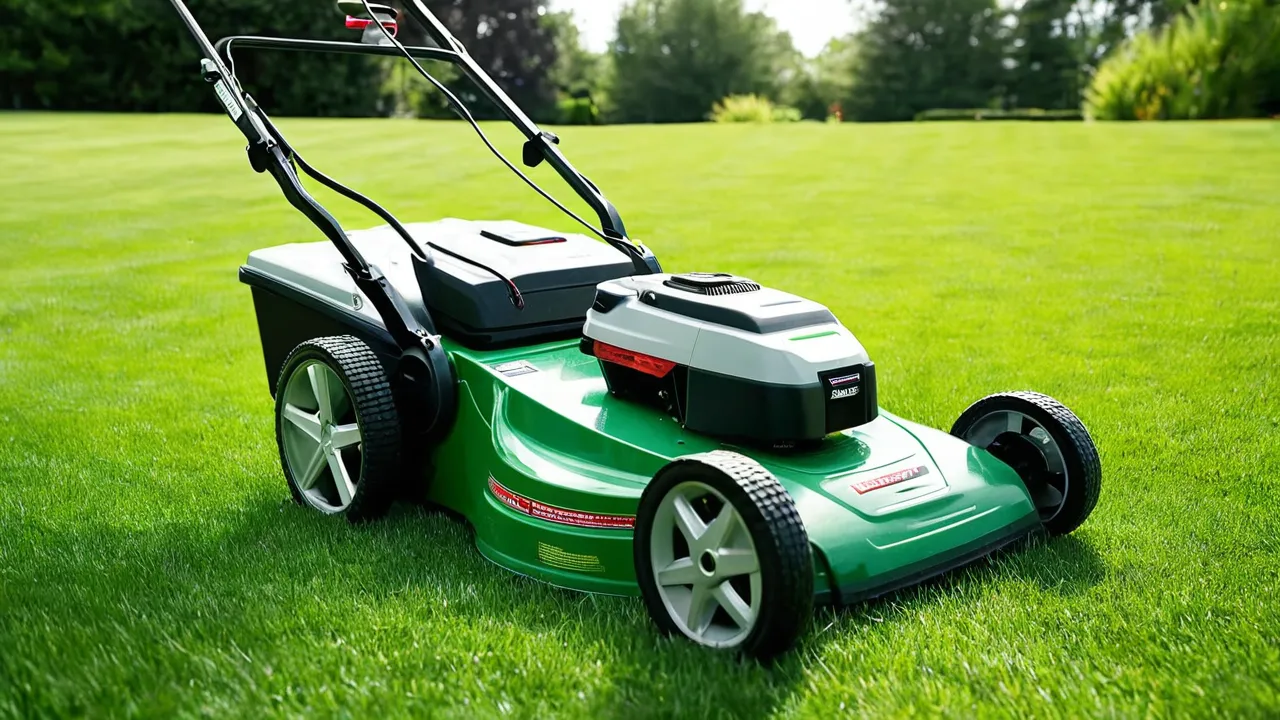
In a gas vs electric lawn mower comparison, battery mowers usually win on cost per mow and upkeep, while gas wins on unlimited runtime and heavy, wet or overgrown grass. The real cost question is not electricity versus fuel, which is small either way, but whether you will need to replace the battery pack within the mower’s service life and what that pack costs.
This guide builds a simple ownership model you can fill in with your own numbers: fuel and oil on one side, battery replacement and charger on the other, plus the yard conditions that decide which machine actually fits.
What each mower costs to run per mow
A gas mower burns fuel in proportion to deck load and time. A typical small-yard push mower sips fuel, but you also buy oil, a spark plug, an air filter and fuel stabilizer if the machine sits between seasons. These items are cheap individually, but they recur every year and they require a few tools and a little time.
A battery mower draws electricity from the wall through a charger. Residential electricity is inexpensive per kilowatt hour, and a full mow uses a modest amount of energy. So the per-mow electricity cost is typically tiny compared with gasoline. To estimate yours, multiply the battery capacity in watt hours (listed on the pack or in the manual) by your local electric rate and divide by the number of mows you get per charge.
For gas, estimate gallons per hour from the manual or owner reports for your engine size, multiply by your mowing hours, and add oil, filter and plug costs. Put both on one sheet for one mowing season and you will see the gap in running cost. It is real but modest, so the larger decision is the replacement bill.
The battery replacement bill
Lithium-ion packs lose capacity with age and cycles. A pack that gave a full lawn at first may give less after several seasons, and eventually you replace it. Manufacturers state the warranty for battery packs separately from the mower, and terms differ, so read the warranty section on the product page before you buy and note how long the pack and the tool are each covered.
Treat the battery as a consumable with a long life, not a lifetime component. If you mow on a large lot and drain the pack every time, it will age faster than a pack used lightly on a small yard. Buying a mower that takes two packs gives you headroom and spreads wear.
A battery platform that shares packs with a trimmer, blower or saw has added value, because the cost of the pack is spread across several tools. If you already own batteries from a brand, check the voltage and connector compatibility, since packs are not interchangeable across brands and sometimes not across product lines.
Lifespan and how each type fails
Gas engines fail from neglect: stale fuel, dirty oil, clogged filters and carburetor varnish. With regular care, an engine from a known brand can run for many seasons, and repair parts are widely available. Engine life is usually discussed in hours of use, and a repair-versus-replace decision often depends on whether parts are still stocked.
Battery mowers have fewer wear parts. The motor is often brushless and requires no oil change, belt tensioning or carburetor work. Failures tend to be the pack, the charger, the electronics or the deck hardware. If a brand discontinues its battery line, replacement packs can become hard to find, so ask how long a brand typically supports its platforms.
Power and runtime in real lawns
Gas mowers keep going as long as there is fuel, and they tolerate thick, damp or tall grass better because the engine can sustain high load for extended periods. Battery mowers deliver strong torque at the start but may reduce runtime sharply in dense grass, and some models slow to protect the battery or motor when the load is too high.
Read runtime claims carefully. Manufacturers usually state minutes for light conditions with specific batteries. If your lawn is overgrown or you mow on a hill, expect shorter runs than the headline number and plan for a second battery or a mid-job recharge.
Mowing frequency matters too. Cutting weekly means each mow is light, which suits battery mowers. Cutting every two or three weeks means taller, heavier grass and a larger load, which favors gas or a battery mower with a second pack.
Noise, fuel storage and handling
Battery mowers are much quieter and start with a button. They also produce no exhaust at the point of use. Gas mowers need fuel stored in approved containers away from ignition sources, and stored with stabilizer if unused for long periods. Follow the manual for fuel mixing, storage and filling when the engine is cool.
For lithium batteries, use the charger supplied with the mower, charge in a dry place away from flammables, and do not use packs that are swollen, cracked or leaking. Store them as the manual describes, which often means a moderate temperature rather than a hot garage or a freezing shed. The cordless self-propelled mower roundup explains what to look for in the pack and charger.
A practical way to compare is to total the first eight seasons. For gas, add the purchase price, yearly oil, filter and plug costs, fuel, and one carburetor or blade service. For battery, add the purchase price, electricity, blade service, and one replacement pack at the point your warranty ends. Use your own quotes for each line item rather than rule-of-thumb figures, and note that a second pack bought up front often changes the answer for larger yards.
Questions That Settle a Close Call
When the cost model gives a near tie, ask three things. Can I finish the whole lawn on the packs I would own, with some charge to spare? Is there a local shop that services this brand, for either engine or battery problems? Will I actually do the yearly oil, plug and fuel care that a gas engine asks for? A no to the first points to gas or a second pack, and a no to the last points to battery. Write the answers beside your cost sheet so the decision rests on your own yard, not on a general rule.
Who should choose which
| Owner | Better fit | Reason |
|---|---|---|
| Small to medium yard, weekly mowing | Battery | Low upkeep, quiet, enough runtime |
| Large lot or very thick grass | Gas | Unlimited runtime, higher sustained load |
| Already own a battery platform | Battery | Shared packs lower the effective cost |
| Mow infrequently, long storage gaps | Battery | No stale fuel or carburetor issues |
| Rough, brushy or overgrown ground | Gas | Tolerates heavy load |
| Dislike maintenance tasks | Battery | No oil, plugs or fuel |
If you fit more than one row, rank your biggest pain point. A homeowner who hates fuel and small repairs but has a modest yard should lean battery even if the pack will need replacing later. Someone who mows a large property in a single session should price a second pack and a fast charger before assuming battery is cheaper.
Who should skip battery
Skip battery if your yard needs more energy than two packs can deliver in one session, if you mow wet or very tall grass regularly, or if you cannot find service support for the brand locally. Skip gas if you rarely maintain engines, have little storage space for fuel, or live under noise restrictions that make early mowing difficult. The lawn mower category separates these by type so you can narrow quickly.
Frequently Asked Questions
Are battery lawn mowers cheaper to run than gas mowers?
Usually, yes. Electricity for a mow costs very little, and battery mowers skip oil changes, spark plugs, and fuel stabilizer. The main extra cost is replacing the battery pack when it loses capacity, so check the pack warranty and price a replacement before you compare the two.
How long do lawn mower batteries last?
It varies with pack quality, charge cycles, heat, and how hard you drain the pack. Lithium ion packs lose capacity with age and use, and a pack used lightly on a small yard ages slower than one drained every mow. Read the warranty terms for the pack on the product page.
Can a battery mower handle thick or wet grass?
Many can handle moderate grass, but runtime drops in dense, tall, or damp grass, and some models slow to protect the motor or battery. Gas engines sustain heavy load for longer. If you mow every two or three weeks, consider a second pack or a gas model.
Is it safe to store lithium mower batteries in the garage?
Follow the manual. Many makers advise a moderate temperature, away from heat, freezing, and flammable materials, and a charge level suited to storage. Use only the supplied charger, and stop using any pack that is swollen, cracked, or leaking. Store gas in approved containers away from ignition sources.
Final Thoughts
For most small and medium yards, battery mowers cost less per mow and less in upkeep, with the battery replacement as the one cost to plan for. Gas remains the sturdier choice for big, heavy mowing. Check the battery warranty, the platform support and the runtime assumptions on the product page, and see How We Review for how we evaluate products on this site.
Related buying guides
- How Long Lawn Mowers Last: Hours and Repair Rules
- How to Choose a Riding Mower: Engine, Deck, Transmission
- Hydrostatic vs Gear Drive Mowers: What Lasts Longer
About the author

The BuyOnceChoice Editorial Team researches durable products worth buying once. Our guides compare published specifications, warranty terms, expert review consensus, and verified owner feedback. We do not conduct our own product trials. See How We Review and our Editorial Policy for our standards.