How Long Lawn Mowers Last: Hours and Repair Rules
Learn which parts wear out first, how to count hours instead of years, and when a repair stops making sense compared with buying a new mower.
 By BuyOnceChoice Editorial Team
Updated November 16, 2026
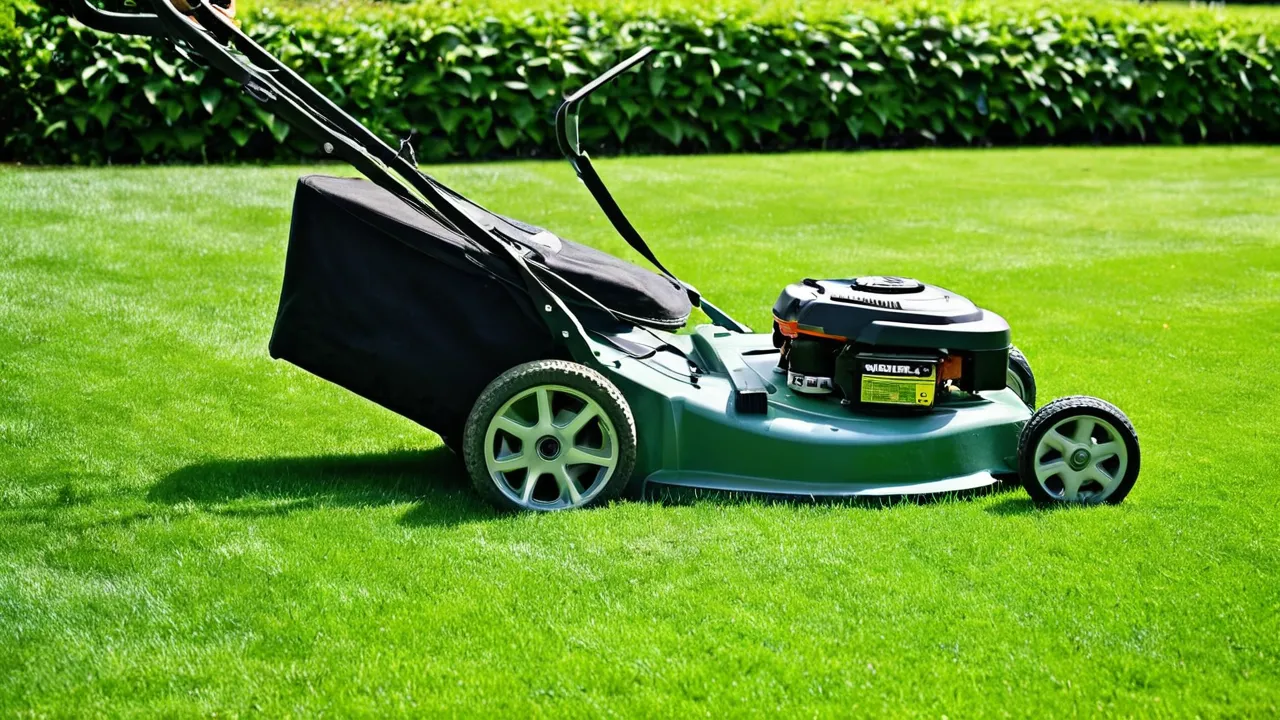
How long a lawn mower lasts depends more on hours of use, storage and maintenance than on age: a well-kept mower from a dealer-supported brand can serve for many seasons, while a neglected one can fail early. A useful repair rule is to fix a mower when the repair is a small share of a new one’s cost, parts are available, and the frame and deck are sound.
Manufacturers do not promise a lifespan, and published warranty terms cover defects, not wear. So the practical approach is to track what actually wears out, decide your repair threshold in advance, and avoid the common mistake of sinking money into a mower with a failing core component.
Count hours, not years
A homeowner mowing a small lawn weekly might put a modest number of hours on a mower each season, while a landscaper puts many times that on a commercial machine. Two ten-year-old mowers can be at completely different points in their lives. Riding mowers usually have an hour meter, which makes this easy. For walk-behind mowers without one, estimate: mowing time per session times sessions per season times seasons owned.
Engine makers often describe service intervals in hours, such as oil changes and air filter service, and those intervals appear in the operator manual. Use them as your maintenance schedule rather than relying on the calendar. If your mower lacks a meter, keep a note in the garage each time you service it.
Keep records of the date and the work done, because a documented maintenance history helps with resale and with deciding whether a repair is worthwhile.
What wears out first on a gas mower
Several parts wear in a predictable order. Blades, belts and spindles are consumables. Air filters, spark plugs and oil are routine service items. Carburetors tend to fail from old fuel left to varnish. Pull-start cords and recoil assemblies wear with use. Deck rust is a long-term issue on steel decks, especially when wet clippings are left under the deck.
Engines themselves are the long-lived part when the oil is changed and the filter is clean. The failure that ends an engine is usually lack of lubrication, overheating from a clogged cooling area, or damage from running with a loose blade. Each is preventable with basic habits.
Transmissions on self-propelled mowers and riders vary. Some are simple and serviceable, and others are sealed. Check the manual for the service interval and whether the transmission can be repaired or only replaced.
What wears out on a battery mower
Battery mowers shift the wear to the pack and the electronics. The motor is often brushless and wears slowly, and the blades and deck wear like on any mower. The battery pack is the finite part, and its capacity declines with age and charge cycles. A mower may still run after several seasons but with a shorter runtime.
Chargers, battery management boards and switches can also fail. Before buying, check what the warranty states for the pack and the tool, and whether replacement packs are sold by the maker or by third parties. If the brand supports its battery line for a long time, the mower will be easier to keep running.
Our cordless self-propelled mower roundup discusses how to judge a battery platform before you commit.
Habits that extend mower life
- Change the oil on the schedule in the manual, and use the grade the manual specifies.
- Clean the underside of the deck after mowing so wet clippings do not hold moisture against the steel.
- Sharpen and balance the blade, since a dull or unbalanced blade stresses the spindle and the engine.
- Use fresh fuel with a stabilizer for storage, or run the carburetor dry before long storage if the manual allows it.
- Store the mower in a dry place and, for battery models, store the pack as the manual describes.
- Clean the engine cooling fins and air intake so the engine does not overheat.
None of these habits is expensive, and together they address the most common reasons for early failure. The most valuable habit is also the simplest: wipe and look over the machine each time, so a loose bolt or a leaking seal is caught early.
A repair versus replace rule
Decide your threshold before the mower breaks. A workable rule has four checks. First, how large is the repair quote compared with the price of a comparable new mower? If the repair approaches a big share of replacement cost, lean toward replacing. Second, is the core component, meaning the engine, transmission or battery pack, still healthy? Third, are parts available and is a local shop willing to service the brand? Fourth, is the deck or frame cracked, bent or rusted through?
If the answer to the third or fourth check is no, replace the machine even if the repair is small. A mower that cannot be serviced locally will cost you in downtime, and structural damage is rarely worth fixing.
| Situation | Lean toward |
|---|---|
| Dull blade, dirty filter, old plug | Repair, routine service |
| Carburetor gummed by old fuel | Repair if engine is otherwise sound |
| Engine knocking or losing oil pressure | Replace or replace engine if dealer-supported |
| Battery pack at low runtime on an otherwise good mower | Replace the pack if it is still sold |
| Transmission failure on a mower with sealed parts | Compare quote against new mower |
| Cracked or rusted-through deck | Replace the mower |
Labor is the hidden part of a repair quote. A shop may charge a minimum bench fee, a pickup fee and parts markup, so a cheap part can still produce a sizable bill. Ask for the quote in writing with parts and labor separated, and ask whether the shop warrants the repair. If you can do the job yourself with a video, a basic socket set and the service manual, the equation shifts further toward repair, but only if you are honest about your time and tools.
Buying with lifespan in mind
If you want a mower to last, look at the markers of durable construction: a thick, fabricated or reinforced deck, a clear parts diagram and parts list, a manufacturer with dealers near you, and a warranty that is clearly stated. Compare the length of warranty on the mower and, for battery models, on the pack separately. Avoid judging by marketing words alone, and read the manual online before purchase where possible.
Consider whether the engine or motor is common across many models, since common engines have deep parts availability. Check that blades and filters are easy to find at a local store. The lawn mower category gathers models by type so you can compare these markers.
Who should repair and who should replace
Repair if you are comfortable with basic maintenance or have a trusted shop nearby, and the mower is a dealer-supported brand with sound structure. Replace if the engine or transmission is failing, parts are scarce, or the mower no longer fits your lawn, because needs change when a yard grows or a family member can no longer push a heavy machine.
Skip expensive repairs on any mower whose parts cannot be found, and skip buying a very cheap mower expecting it to last as long as a serviceable one. A mower that can be maintained for many seasons is the whole idea of buying once.
A Worked Repair Decision
Say a push mower stops starting after winter. A shop quotes a carburetor cleaning and a new spark plug, with parts and labor listed separately. The engine has good compression when the shop pulls the cord, the deck is solid, and the blade and wheels are in good shape. This passes all four checks, so repair is sensible. Now imagine the same mower with a knocking engine and a cracked deck. The quote might look small, but two core parts are failing and structural damage rarely pays back, so replacement is the better use of money.
Frequently Asked Questions
How many hours does a lawn mower last?
There is no promised number, and it varies by engine, build quality, and care. Hours of use, oil changes, clean air filters, and fresh fuel matter more than age. Check the operator manual for service intervals in hours, and keep a log so you can judge whether a repair makes sense.
How long does a battery lawn mower last?
The motor and deck can last many seasons, but the battery pack is the finite part, and its capacity declines with age and charge cycles. A mower may run for years with shorter runtime. Check the pack warranty, and confirm that replacement packs are sold before you buy.
Is it worth repairing an old lawn mower?
It is when the repair is a small share of a new mower’s cost, the engine or transmission is healthy, parts are available, and the deck and frame are sound. If a core component is failing or the deck is cracked or rusted through, replacing the mower is usually the better choice.
What kills a lawn mower engine?
Usually a lack of lubrication, overheating from clogged cooling fins, or running with a loose blade. Stale fuel is another common cause of carburetor trouble. All are preventable by changing oil on schedule, cleaning the engine’s cooling area, tightening the blade, and using fresh fuel with a stabilizer.
Final Thoughts
A mower lasts as long as its owner keeps oil, fuel, blades and storage in order, and as long as parts remain available. Count hours, use the four-question repair rule, and prefer brands with local service. For how we evaluate products, see How We Review.
Related buying guides
- How to Choose a Riding Mower: Engine, Deck, Transmission
- Hydrostatic vs Gear Drive Mowers: What Lasts Longer
- Lawn Mower Maintenance Schedule by Hours of Use
About the author

The BuyOnceChoice Editorial Team researches durable products worth buying once. Our guides compare published specifications, warranty terms, expert review consensus, and verified owner feedback. We do not conduct our own product trials. See How We Review and our Editorial Policy for our standards.