Self Propelled vs Push Mower: Is the Drive Worth It
A drive system adds cost and a part that can fail. Find out which yards, slopes and bodies benefit from front or rear wheel drive and which should skip it.
 By BuyOnceChoice Editorial Team
Updated November 16, 2026
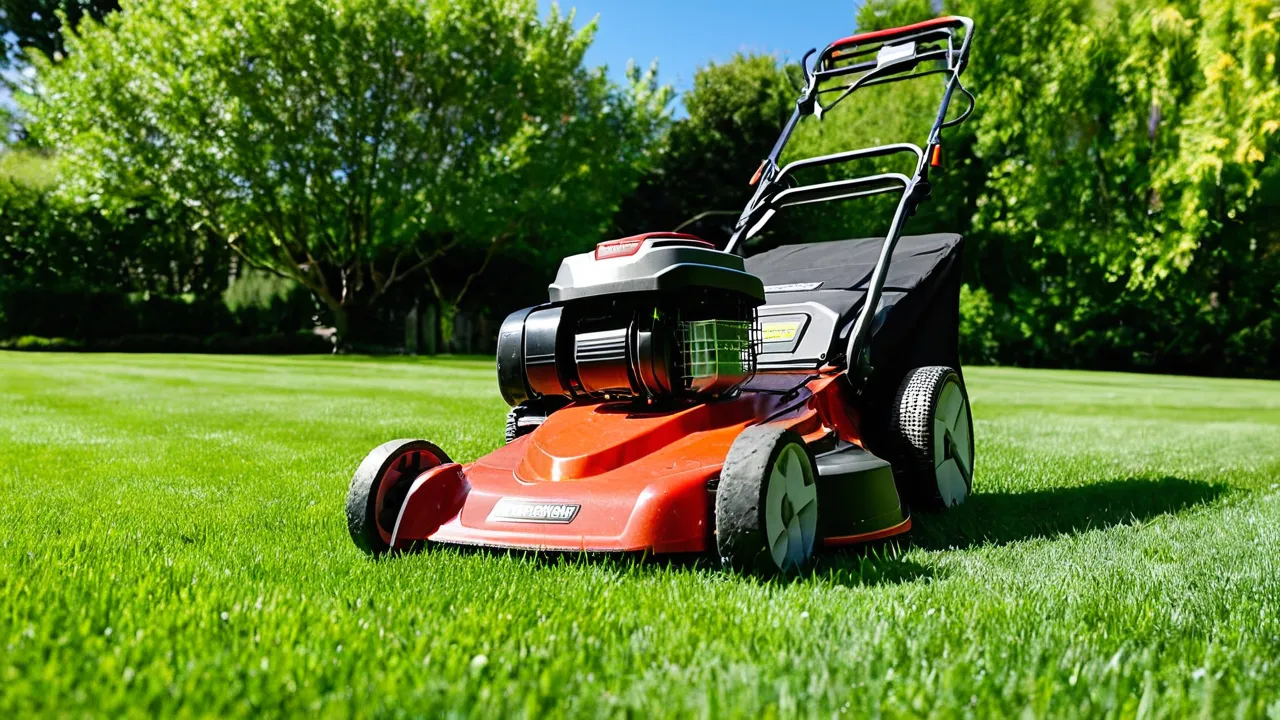
A self propelled mower has a drive system that turns the wheels for you, while a push mower relies on your own effort to move it. The drive is worth it on lawns bigger than a small city lot, on hills, or when you bag heavy clippings or cut thick grass, and it is hardly needed on a flat lawn of a few thousand square feet.
What the Drive System Really Adds
The drive does not cut better. It removes the work of pushing, so you walk instead of shove. On a self propelled mower, a transmission powers the front, rear or all wheels, and you steer with the handle and control speed with a bar, lever or dial. The benefit is less fatigue and a steadier pace, which also gives a more even cut.
The drive also adds weight, parts and cost. Push mowers are lighter and simpler, which is a real advantage in tight yards where you turn often, lift the mower over steps or store it on a shelf. If your yard is small and flat, the extra weight and cost may never pay back.
Front Wheel, Rear Wheel and All Wheel Drive
Front wheel drive is common on less expensive models. It turns easily because you can tilt the front up with a push on the handle, but it can lose traction when a full bag is heavy at the rear and on slopes. Rear wheel drive grips better on hills and under a bag load, since weight sits over the driven wheels, though turns can feel heavier. All wheel drive and some models with a dedicated traction control grip well on wet grass and slopes at higher cost and weight. Check the manual for how the drive engages and whether you can disengage it to push freely.
Put drive types in context with deck size and weight. A compact 21 inch deck with front drive is easy to maneuver, while a larger deck with rear drive offers stability but takes more room to turn. Keep the weight in mind when you load the mower into a truck or up a step. If you plan to carry it, a lighter push mower may be more practical, since a self propelled model can be heavy to lift.
The Yard Size Cutoff
There is no single cutoff, but a rough guide helps. For a lawn under about a quarter acre that is flat and open, a push mower is often enough. From a quarter to about half an acre, or if you have gentle slopes, a self propelled model reduces fatigue. Over half an acre, consider a riding mower or a robot, since walking a drive mower for hours is still work. Count your total mowing time per week and your own fitness. If mowing takes more than about 45 minutes, the drive earns its price.
Hills, Bags and Thick Grass
Hills make the drive valuable. On a slope, pushing up and holding back downhill is tiring and unsafe. A rear wheel or all wheel drive helps on moderate grades, and you should mow across slopes only as the manual says and never on steep ones. A full bag adds several pounds, and thick or damp grass resists the wheels. In these cases, a drive that you can speed up and slow down makes the work steadier.
Try a simple weight check. A push mower plus a full bag of damp clippings can feel like pushing a loaded wheelbarrow uphill. A self propelled mower carries that load for you, so you only steer. If you bag clippings in spring when growth is fast, or mow damp grass in a wet season, the drive helps most. If you mulch on a flat lawn, you rarely feel the difference.
Slope safety matters whichever type you own. Mow across slopes only if the manual allows it, and never mow wet grass on a hill, because footing is poor. Wear shoes with grip and keep your hands on the handle controls so the blade stops if you let go. Do not rely on the drive to hold you back on a steep grade.
Reliability and What to Check
Drive systems fail at the transmission, the drive cable or the wheel gears. Before buying, look for a durable design, such as a transmission rated for the mower’s weight, a variable speed control and wheels with solid bearings. Cordless models run drive motors from the battery, so drive use shortens runtime. Check the battery size and the maker’s runtime for mowing with drive engaged. For gas models, check the engine type and oil needs.
Keep the drive in shape: clean grass buildup from the wheels and underside, check the drive cable for slack and follow the service schedule in the manual. A drive that slips or does not engage is usually a cable or belt adjustment, and a gear failure may need the maker’s repair parts.
Ask three questions on the product page. Is the drive adjustable, so you can match the pace to your walk? Is the drive part of the warranty and for how long? Are parts like drive cables, belts and wheels sold to consumers? Reviews from owners who have used the mower for several seasons are more informative than a first impression, but treat any single report with care and look for repeated patterns. Drive problems most often show up as a mower that creeps forward by itself, will not engage or loses power on slopes, and a cable adjustment is often all it takes to fix them.
Comfort, Technique and Pace
A drive sets the pace, so you walk at about the same speed all the time. That gives an even cut but can feel fast if you have trouble keeping up. Variable speed lets you slow for corners. Use the bail bar as designed, and release it to stop the drive. Hold the handle at a comfortable height and wear closed shoes. Mow when the lawn is dry, empty the bag before it is heavy and keep the blade sharp. If you have joint or back pain, the drive often makes mowing possible, and a handle with adjustable height helps.
Adjusting the pace is a real feature. Single speed drives suit a steady walker, while variable speed lets you slow in tight areas or around obstacles and speed up on open ground. Look for a speed control you can use comfortably in work gloves. Some mowers add a cruise setting that lets you release a lever without stopping the drive, which reduces hand fatigue. Check handle height adjustment too, since a fixed handle that is too low strains the back. If you are tall, a folding or adjustable handle also makes storage easier.
Costs over the Life of the Mower
A drive model costs more than a push model with the same engine or battery, and some repairs are drive related. Over several seasons, think about what you give up if the drive wears out. A push mower has fewer failure points. A self propelled mower can still be pushed if the drive fails on many designs, though it is heavy. Weigh the extra price against how many hours the drive saves and how you will use it. For cordless buyers, the best cordless self propelled lawn mower page explains choices, and the lawn mowers category lists more. See How We Review for our process.
Here is a simple way to decide. Count your yearly mowing hours, multiplied by the weeks in your season. Then ask whether the extra upfront price of the drive divided by the seasons you expect to own the mower is small compared with the effort it saves. For a 45 minute weekly mow over 30 weeks, that is about 22 hours a year. A drive that makes every hour easier is worth more to a person with a bad knee than to a person who enjoys the exercise. There is no wrong answer, but there is a wrong match: buying a drive for a tiny, flat patch of turf, or a push mower for a hilly half acre.
Frequently Asked Questions
Is a self propelled mower worth it for a small yard?
Usually not if the yard is flat and small, since the drive adds weight and cost and a push mower is easier to turn and store. It becomes worth it with slopes, a bag you fill often or limited strength or stamina.
Is front wheel or rear wheel drive better?
Rear wheel drive grips better on hills and when the bag is full, while front wheel drive turns more easily and costs less. All wheel drive helps on wet or sloped ground. Pick based on your terrain and check the manual for how it engages.
Can a self propelled mower be pushed without the drive?
On many models, yes, by releasing the drive bar, though the added weight makes it harder than a push mower. Check the manual for how to disengage the drive and for the correct way to store and service it.
How big a lawn needs a self propelled mower?
A flat lawn under about a quarter acre is fine with a push mower. Above that, or with slopes, bagging or thick grass, a self propelled model reduces fatigue. If mowing takes more than about 45 minutes, a drive is worth considering.
Final Thoughts
The drive is worth it for larger lawns, slopes, bagging and anyone who wants less effort. For small flat yards, a push mower is lighter, simpler and cheaper to own. Choose the drive type for your terrain, check battery or engine details and keep the drive clean and adjusted.
Related buying guides
- Winterizing a Lawn Mower: Fuel, Oil, Battery Steps
- Zero Turn Mower Safety: Rollover, Slopes, Operator Basics
- Zero Turn vs Riding Mower: Which Fits Your Yard
About the author

The BuyOnceChoice Editorial Team researches durable products worth buying once. Our guides compare published specifications, warranty terms, expert review consensus, and verified owner feedback. We do not conduct our own product trials. See How We Review and our Editorial Policy for our standards.