How Long Do Stand Mixers Last and What Fails First
Warranty length is not real life. Learn what fails first in a stand mixer, how gear wear and grease leaks show up, and when to repair or replace.
 By BuyOnceChoice Editorial Team
Updated November 16, 2026
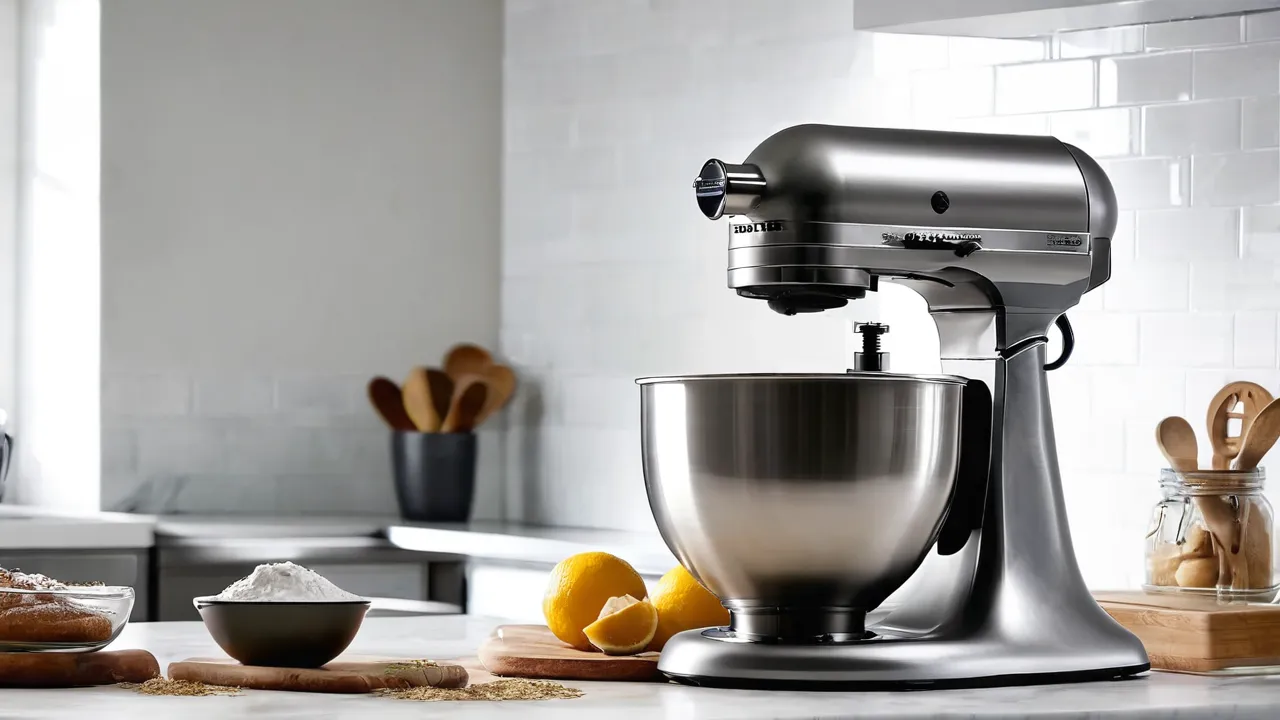
How long do stand mixers last? No maker publishes a guaranteed lifespan, and owner stories range from a few years to several decades, mostly depending on how heavy the loads are and whether the machine was kept within its limits. What fails first is usually the gearing, the lubricant, or the bowl and beater fit, and many of these can be repaired.
Warranty Versus Real Life
A warranty is a promise about a defined period and defined faults. It is not a prediction of how long the machine will last. A mixer with a short warranty can run for many years, and one with a long warranty can still fail after heavy use. What a warranty does tell you is how much the maker is willing to cover, and what the maker expects from the design.
Real life depends on use. A mixer making a cake batter now and then is under little stress. One kneading stiff dough several times a week for years is under heavy stress, and the gears carry the load. Owners who report decades of service typically describe moderate use within the machine’s limits and some maintenance. Owners who report failure within a few years often describe heavy dough, overloaded bowls, or a machine pushed beyond its stated capacity.
Read both kinds of story, and remember that people with problems post more than people with working machines. Treat any single claim of a number of years as an anecdote.
What Usually Fails First
Stand mixers are mechanically simple, but the drive train takes load. These are the common failure points.
- **Gear wear or breakage.** Gears can strip, especially if one is plastic or if the machine is overloaded. A grinding noise or a mixer that spins but does not turn the beater suggests this.
- **Grease leaks.** The lubricant in the gearbox can degrade or leak past seals, appearing as dark oil around the beater shaft. Heat from heavy use speeds this up.
- **Speed control problems.** A mixer that only works on high, or surges, may have a control board, governor, or motor brush issue.
- **Motor wear.** Brushes wear on some motors and can be replaced by a technician.
- **Beater and bowl fit.** The beater can drift out of adjustment and scrape the bowl, wearing coating.
- **Head lock or hinge wear** on tilt head models, which shows up as movement while mixing.
- **Switch or knob failure,** especially with moisture or flour dust.
Notice that most of these are mechanical, not electronic, which is a point in favor of repair.
Warning Signs to Act On
| Sign | Likely cause | Next step |
|---|
|—|—|—|
| Grinding or clicking from the head | Worn or damaged gears | Stop using it; contact service |
|---|---|---|
| Dark oil near the beater shaft | Grease leak past a seal | Stop heavy use; service the gearbox |
| Only works at one speed | Control or motor issue | Check warranty; technician |
| Burning smell | Overload or motor problem | Unplug and stop using |
| Beater scrapes the bowl | Height adjustment drifted | Adjust per the manual |
| Head wobbles on tilt models | Worn hinge or lock | Reduce load; service |
A burning smell, smoke, or sparking means unplug at once and have a licensed electrician or the manufacturer examine it.
What Owners Commonly Describe
Owner discussions on this topic tend to follow a pattern. Older machines are often praised for long service, with some owners reporting many years of regular use. Newer models are sometimes described as less robust, and some owners suspect design changes or lighter parts, though without sourced data this is only a perception. A sensible reading is that build quality varies between models and eras, so judging a current machine by a decades old one is risky. Look at the specific model’s gear material, warranty, and parts supply instead.
Another common thread is that heavy dough, especially in smaller mixers, is the most frequent cause of trouble. Owners who knead stiff dough in a light duty machine often describe grinding noises or stripped gears, while those who size up report fewer problems. This echoes the advice to match the machine to your heaviest regular batch.
Cost Per Year Illustration
Divide what you paid by the years you have used the machine. If it has served for many years, the cost per year may already be low, and a repair that restores another stretch of service is easy to justify. If the machine is young and the fault is covered by warranty, claiming it costs you nothing. If the machine is young but out of warranty and the repair rivals a new unit, replacing may be sensible, but first check whether a cheaper part is the real cause, since beaters, bowls, and adjustments solve many complaints.
End of Life Triggers
Think about replacement, or a service visit if parts exist, when you see these.
- A stripped or broken gear, shown by a grinding noise and a beater that spins slowly or not at all under load.
- Grease dripping from the head toward the bowl.
- A motor that smells hot, smokes or cuts out even with light loads.
- A speed control that jumps or works only on high.
- A head that no longer locks or tilts correctly, so the beater hits the bowl.
- A frayed cord or a plug that runs hot.
Stop using the machine at the first sign of smoke or burning, unplug it, and contact the maker.
Grease and Gears: The Hidden Maintenance
Gearboxes are packed with food grade grease. Over many years, the grease can break down, leak, or dry out. A mixer that is regularly heavily loaded generates more heat, which ages grease faster. Some owners have their machine serviced periodically, which can mean cleaning old grease and replacing it. Ask the maker or an authorized service center whether the machine is user serviceable and what grease is approved.
Do not open the gearbox unless the manual or the maker allows it. Using the wrong grease can damage seals or create a safety issue. If oil is dripping toward the bowl, stop using the machine for food until it is serviced.
Repair or Replace: A Decision Rule
Use this sequence.
1. **Check the warranty.** Read the length and what it excludes, and claim it first if applicable.
2. **Identify the fault.** A worn beater or bowl is cheap to replace. A stripped gear or a leaking gearbox usually needs service.
3. **Estimate the repair cost.** Include parts, labor, and shipping, since a heavy mixer is costly to ship.
4. **Compare cost per year.** Divide the repair cost by the extra years you expect, and compare with a new machine’s price divided by its expected years.
5. **Weigh parts supply.** A maker that sells gears, seals, and brushes keeps repair realistic. If parts are not sold, replacement is likely.
For a higher quality machine with available parts and service, repair is often worthwhile. For a budget machine with no parts, the repair math usually favors replacement.
Questions to Ask Before You Pay for a Repair
- Is the machine still under warranty, and does the claim need proof of purchase?
- Does the maker or an authorized shop service this model?
- Is a gear set, grease service or motor replacement the likely fix, and is the part in stock?
- What does the shop charge for shipping a heavy mixer both ways?
- Is the repair itself warrantied for a stated period?
A clear answer to each question means repair is realistic. Vague answers favor replacement.
Ways to Extend Life
- Stay within the maker’s stated dough capacity, and mix stiff dough at low speed.
- Give the machine rest between heavy batches, as the manual advises.
- Do not hold the bowl or push on the mixer while it runs.
- Wipe flour dust from vents and controls, and keep liquid out of the head.
- Adjust the beater height when needed so it does not scrape the bowl.
- Store it clean and dry, and keep the cord loose.
Safety Note
Unplug the mixer before cleaning, changing attachments, or inspecting it. Never put your hand in the bowl while it runs. Plug into a grounded outlet and keep the cord away from heat. Opening the housing is for authorized technicians, and electrical problems belong to a licensed electrician or the manufacturer.
Frequently Asked Questions
How long does a stand mixer last?
No maker guarantees a lifespan, and owner stories range from a few years to decades depending on load. Mixers used within their stated limits, with available parts and a clear warranty, tend to last longest. Heavy dough in a light duty machine is a common cause of early failure.
What fails first on a stand mixer?
The drive train usually takes the strain first, so gear wear, grease leaks, speed control problems and motor wear are common. Attachments such as bowls and beaters wear too but are cheap to replace. Most of these failures are mechanical, which makes repair more practical than for electronic faults.
Is it worth repairing a stand mixer?
Often yes for a higher quality mixer with parts and service available, because mechanical faults like worn gears or grease leaks can be repaired. For a budget model with no parts supply, replacement usually wins. Compare the repair cost per extra year with a new mixer’s cost per year.
Can I fix a stand mixer’s grease leak myself?
Only if the manual or maker allows it. Gearboxes use specific food grade grease, and the wrong product can damage seals or create a safety concern. Unplug the mixer and contact the maker or an authorized service center. Do not use a mixer that drips oil toward the bowl.
Final Thoughts
Stand mixers can last many years when used within their limits, and the gears and grease are the parts to watch. Choose a model with a clear warranty, parts support, and a stated dough capacity that exceeds your heaviest regular batch. Act on noise, leaks, and burning smells quickly, and use the cost per year rule to decide between repair and replacement. See the stand mixer category, the best stand mixer roundup, and how we review for more.
Related buying guides
- How to Choose a Stand Mixer: Capacity, Motor, Build
- Stand Mixer Attachments Worth Buying and Ones to Skip
- Stand Mixer Beater Types: Flat, Wire Whip and Dough Hook
About the author

The BuyOnceChoice Editorial Team researches durable products worth buying once. Our guides compare published specifications, warranty terms, expert review consensus, and verified owner feedback. We do not conduct our own product trials. See How We Review and our Editorial Policy for our standards.