Stand Mixer Wattage: What the Number Really Means
Watts show how much electricity a mixer draws, not how well it kneads. Learn why gears, torque, and weight say more about heavy dough performance.
 By BuyOnceChoice Editorial Team
Updated November 16, 2026
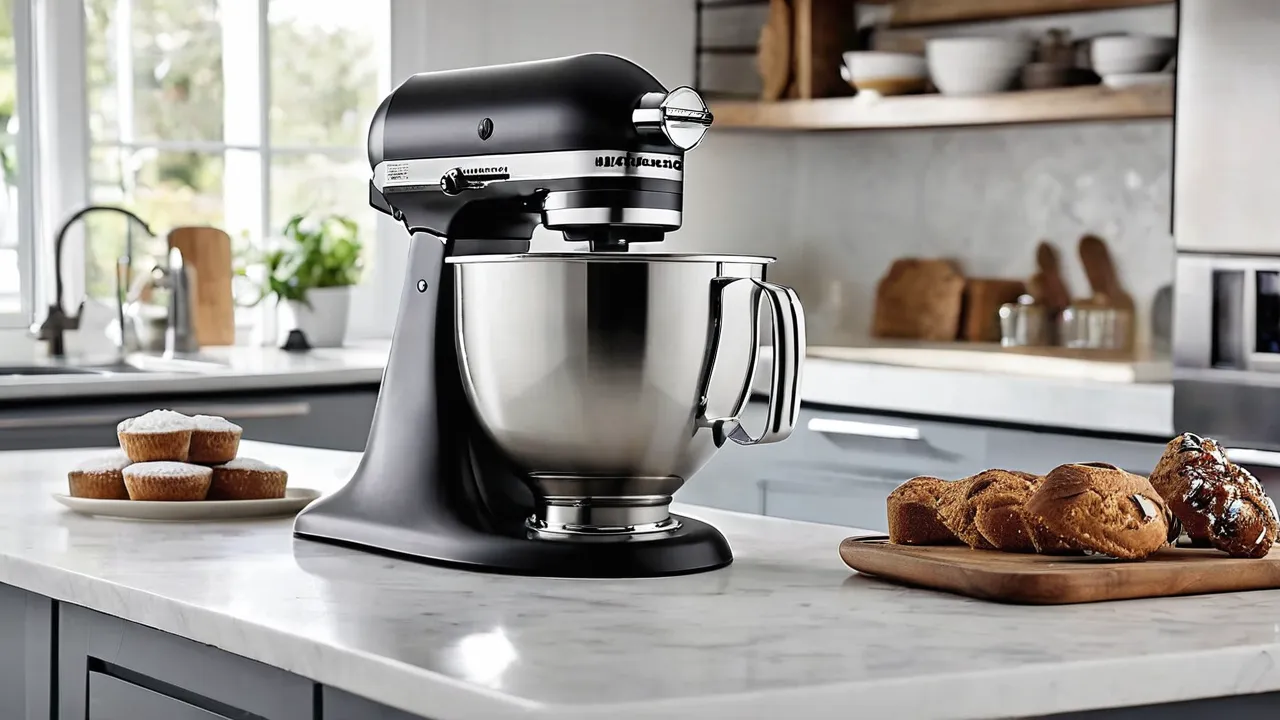
Stand mixer wattage is the electrical power rating printed on the mixer, and it tells you how much electricity the motor can draw, not how much useful force reaches the beater. A lower wattage mixer with efficient gearing can knead dough as well as a higher wattage model with weaker gearing, so treat watts as a rough hint and rely on stated dough capacity, gear design, and weight instead.
What Watts Actually Measure
A watt is a unit of power. On a stand mixer label, the figure usually reflects the electrical power the motor consumes at its maximum rating. That is input power, and it is not the same as the mechanical power delivered at the beater. Some of the electricity becomes heat and friction in the motor and gears before it ever turns the attachment.
Makers do not all state wattage the same way. Some give the input draw, some give a peak rating, and some give an output figure for the motor alone. Because there is no common standard in product listings, comparing one brand’s number against another’s can mislead. The only fair comparison is within the same brand and with the same definition, which the manual may clarify.
This is why you will find owner threads where people disagree. One person points out that a lower wattage mixer handles bread fine, and another says a bigger number is needed. Both can be right, because the number alone is incomplete.
Input Power Versus What the Beater Feels
What matters when kneading dough is torque, meaning twisting force at the beater, at a slow speed. Torque comes from the motor and the gears together. A motor spinning fast with a reduction gear can deliver high torque at the beater with modest electrical draw. A motor with weak gearing may spin fast but stall under stiff dough.
Think of a bicycle. Two riders with the same leg power can climb the same hill if one has low gears and the other does not, but the rider without low gears will struggle. The gears determine how well the power gets used.
Because torque at the beater is rarely published, the maker’s stated dough capacity is the best proxy. It reflects what the engineers expect the whole drive train to handle. Look for it in the specifications or the manual, often expressed as a flour weight or a number of loaves or cookie batches.
Why a Big Number Can Hide a Weak Drive
A motor rated high on paper still needs a gear train that holds up under load. If the gears are small or soft, the mixer may chew through its own drive before the motor ever strains. In that case the wattage label tells you about the motor and nothing about the part that fails first. This is a common owner regret: buying on the number, then finding the mixer slows or skips under a double batch of bread dough.
Motor Types and Why They Matter
Stand mixers use different motor designs, and the type changes how well a given wattage performs.
- Universal motors are common and compact. They spin fast and rely on gearing for torque. They produce more noise and can heat up under load.
- DC motors are used in some models and often run quieter, with smoother speed control. Makers may describe them as efficient, though you should rely on stated capacity, not marketing words.
- Induction motors appear in some heavy duty and commercial style machines and are known for durability, but they are less common in home models.
Check the manual or product page for the motor type. If the maker does not say, treat it as unknown. Do not assume a motor type from the wattage.
Gears, Weight, and Build Cues
If watts are a weak guide, what else tells you a mixer can handle dough? These cues help.
- Stated dough capacity. The most direct statement from the maker.
- Gear material. Metal gears generally handle heavy loads better than plastic, though design and lubrication also matter. Check the manual.
- Weight. A heavy base stays put under load, and weight often correlates with sturdier construction. It is a cue, not a guarantee.
- Head design. A fixed head holds up better under heavy dough than a hinged one in many designs.
- Speed range. A true low speed with good torque suits dough. Look for a stated slow speed setting.
- Warranty. A longer warranty suggests the maker trusts the drive train. Read what it actually covers.
Combine these and you get a better picture than watts alone.
A Comparison Without Numbers
Imagine two mixers from different brands. Mixer A lists a high wattage and has plastic gears and a light base. Mixer B lists a lower wattage, has metal gears, a heavy base, and a stated dough capacity that is higher than A’s. Most bakers would expect B to handle bread better, even though A’s label looks stronger. The reason is that the label figure measures what goes in, while the stated capacity and the gears show what comes out.
Now imagine two mixers from the same brand, one with a bigger bowl and a higher wattage. Here the higher number likely reflects a larger motor, and the stated dough capacity should confirm it. Always check that capacity line, since it settles the question.
Noise and Heat as Clues
A mixer that gets very hot, smells of hot electronics, or slows sharply under dough is telling you the load exceeds its design. Owners often describe the sound of a motor straining. Stop the machine, let it cool, and reduce the batch. Repeated overload shortens motor life, whatever the wattage label says.
How to Use Wattage Anyway
Wattage is not useless. Within one brand and one line, a higher wattage often goes with a larger motor and a bigger bowl. It is also a ceiling on the electricity the mixer draws, which matters for your household circuit. A kitchen circuit has a limit, and running a mixer alongside other appliances can trip a breaker. The manual lists the rating and the plug type.
When comparing two models, use wattage like this: if the numbers are similar, ignore them and compare capacity and build. If they differ a lot, check whether the maker defines the figure the same way, and see whether the higher one is paired with a higher stated dough capacity. If it is not, the extra watts may be spent on friction or a different design.
Checking the Manual for the Definition
Before you compare any two wattage figures, open the manual or the product specifications and look for the exact wording. Phrases such as input power, rated power, or maximum power each mean something slightly different. If the maker lists a voltage and a current, you can multiply them to see the draw, but that again shows electrical input only. When a listing offers only a single bare number with no definition, treat it with caution, and weight the dough capacity statement and warranty more heavily in your decision.
A Short Decision Rule
Use this order when two mixers look close. First compare stated dough capacity. Second compare gear material and the head design. Third compare weight and the warranty terms. Only then glance at wattage, and only if both makers define it the same way. If one mixer wins on the first three, it wins, whatever the label says.
Who Should Care About Watts
- Light bakers, cakes and cookies: do not worry. Almost any mainstream mixer covers it.
- Bread bakers: ignore watts and read the dough capacity and gear details.
- People using attachments such as pasta rollers or grinders: check the maker’s guidance on attachment duty time, since long loads strain the motor.
- Shoppers comparing across brands: do not compare watts at all unless the definitions match.
Safety Note
Plug the mixer into a grounded outlet, and avoid sharing the circuit with other high draw appliances. Keep the cord away from heat, and never submerge the base. If the mixer overheats, smells hot, or trips a breaker, stop using it and have a licensed electrician or the manufacturer check it. Follow the manual’s duty cycle for heavy dough.
Frequently Asked Questions
Is a higher wattage stand mixer always better?
No. Higher wattage only means the motor can draw more electricity, and makers define the figure differently. A mixer with a lower rating but sturdy gears, more weight, and a higher stated dough capacity will often handle bread better. Compare capacity and build first, and use wattage only within one brand’s lineup.
How many watts does a stand mixer need for bread dough?
There is no single safe number, because wattage does not reveal torque at the beater. Instead of chasing a figure, look for a stated dough capacity that matches your usual batch, metal gears, a stable heavy base, and a true slow speed. Check the manual for the maker’s heavy dough guidance and duty time.
Can a stand mixer trip a household breaker?
It can, especially when it shares a circuit with other high draw appliances such as a microwave or toaster oven. The manual lists the rating, so compare it against the breaker on that circuit. If the breaker trips repeatedly, move the mixer to a different circuit and ask a licensed electrician to inspect the wiring.
Is input wattage the same as output wattage?
No. Input wattage is the electricity the motor draws, while output is the mechanical power it delivers. Some energy becomes heat and friction in the motor and gears. Because brands list different kinds of numbers, check the manual for the definition before you compare two mixers on watts.
Final Thoughts
Wattage is a poor stand alone guide. Treat it as a rough indicator within one brand, and rely on stated dough capacity, gear design, weight, and warranty when you decide. Read the manual for how the maker defines its number. Compare models in the stand mixer category and the best stand mixer roundup, and see how we review for our approach.
Related buying guides
- Tilt Head vs Bowl Lift Stand Mixers
- When to Buy a Stand Mixer: Sale Timing Without Gimmicks
- Bread Dough in a Stand Mixer: Load Limits and Motor Strain
About the author

The BuyOnceChoice Editorial Team researches durable products worth buying once. Our guides compare published specifications, warranty terms, expert review consensus, and verified owner feedback. We do not conduct our own product trials. See How We Review and our Editorial Policy for our standards.