Cast Iron Skillet Size Guide: 8, 10, 12, or 15 Inch
Skillet diameter is only half the story. Check burner fit, rack clearance, and loaded weight, then pick one size that suits how you cook.
 By BuyOnceChoice Editorial Team
Updated November 16, 2026
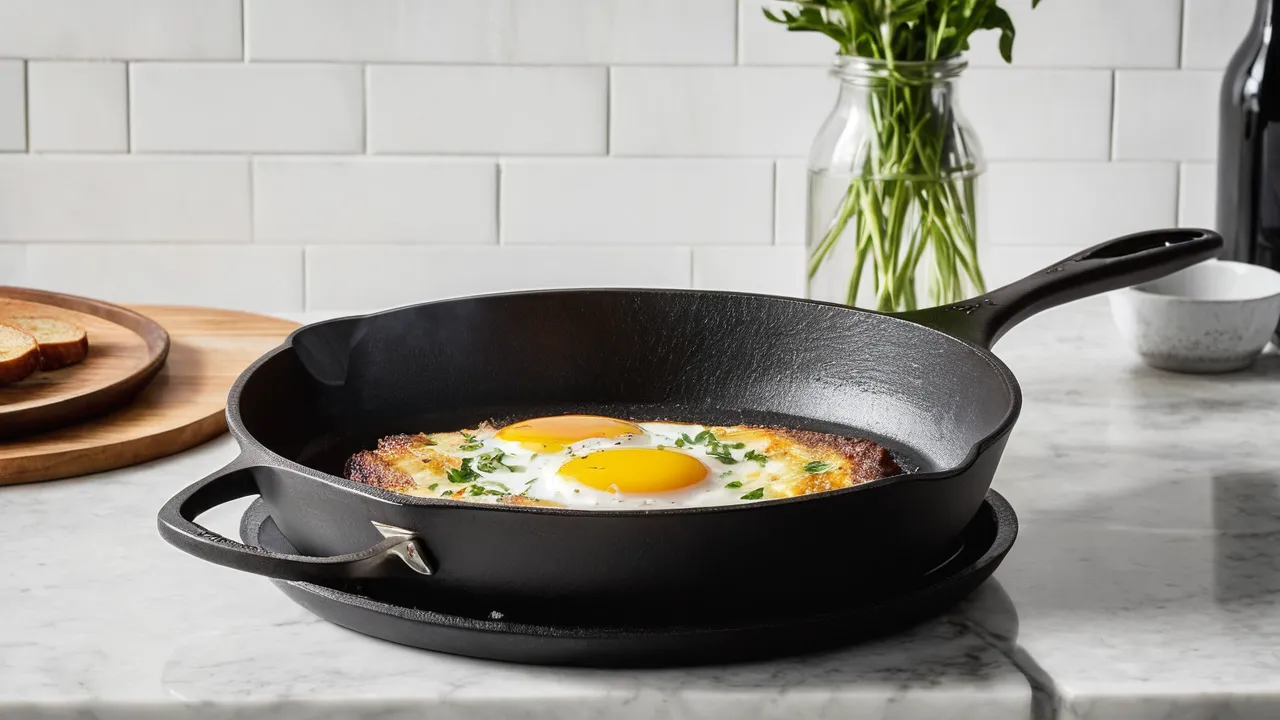
For most households, a 10 or 12 inch cast iron skillet is the best single size to buy: the 10 inch suits one or two people and fits small burners and ovens, and the 12 inch handles family meals and a whole chicken’s worth of thighs. An 8 inch pan is a small specialist, and a 15 inch pan is a large, heavy pan that suits big groups and open fires more than a typical stovetop.
What the Inch Number Really Measures
The inch size on a cast iron skillet is usually the diameter measured across the top rim, from one edge to the other. That is not the cooking surface. A pan sold as 12 inches may have a flat cooking floor closer to 9.5 to 10.5 inches across, because the walls slope outward. Handles add length that is not counted in the diameter.
The difference matters when you plan what fits. A 10 inch skillet may not hold four chicken thighs in a single layer. If you need the cooking surface size, look at the product page for the inside bottom diameter, and if it is missing, ask the seller or use a ruler on a similar pan. Weight is the other number to look for. Heavier pans hold heat better and are harder to lift. Our cast iron cookware category covers what to look for in a pan.
Wall height also changes what a pan can do. A skillet with straight, taller walls works like a shallow pot for shallow frying and braising, and one with low, flared walls is better for flipping and tossing food. Two pans of the same diameter can hold different volumes, so look at depth if you plan to cook saucy food.
Match the Skillet to Your Burner
A skillet should sit on a burner that is close to its base size. A pan much wider than the burner heats unevenly, and the center will be hot while the edges stay cool. Cast iron’s slow heating makes this more noticeable. On a small burner, a 12 inch pan may need extra preheating time and can have cool zones.
Check the diameter of the burner element or grate. On gas ranges, cast iron generally covers the flame pattern well, and a large pan will warm up with moderate heat. On electric coil and smooth-top ranges, a pan that overhangs the element by a large margin can heat the area around it, and some manuals set a limit on overhang. On induction, the pan base needs to cover enough of the cooking zone to work well, and a very small pan on a large zone may not be detected. Check the cooktop manual.
If you use a glass top stove, remember weight and rough bottoms, and see the cooktop manual on cast iron.
Oven Rack and Cabinet Fit
Cast iron is made for the oven, so check the fit. Measure your oven’s interior width and the clearance above the rack. A 12 inch skillet with a long handle can bump the oven door or hit the side walls, and a 15 inch skillet may not fit in a standard oven at all. Check the length including the handle, since the handle can be several inches long, and a helper handle on the other side adds width.
Cabinet storage is another limit. A big, heavy skillet is awkward to store, and stacking pans scratches the seasoning. Measure the shelf or drawer where it will live, and consider hanging it on a sturdy hook or a rack. If you have to lift a pan over your head every time, you will use it less.
Weight You Will Actually Lift
Cast iron is heavy. As a rough guide, an 8 inch skillet weighs a few pounds, a 10 inch weighs around five pounds, a 12 inch weighs often around eight pounds and a 15 inch can weigh a dozen pounds or more. Weights vary by brand and wall thickness, so check the product page. Food adds more weight, and a full pan hot out of the oven needs a firm grip.
Be honest about your strength and grip. If lifting a full 12 inch pan strains your wrist, a 10 inch pan is the safer choice, or you might choose a thinner, lighter pan, though these hold less heat. Use oven mitts, and use two hands when moving a heavy pan with food. If you have wrist, hand or back problems, ask a clinician about lifting limits, and consider lighter cookware.
Size by Household and Cooking Habit
| Household or habit | Good first size |
|---|---|
| — | — |
| One person, small kitchen, eggs and single servings | 8 or 10 inch |
| Two people, everyday cooking | 10 inch |
| Family of three to four, one-pan meals | 12 inch |
| Large family, batch cooking, pizza | 12 inch, plus a second pan |
| Camping, grill, open fire, big groups | 12 or 15 inch |
| Cornbread, small desserts, side dishes | 8 or 10 inch |
Think about what you cook most. If you make pan pizza, deep-dish desserts or large batches of fried chicken, you may want the bigger size. If you mostly cook eggs, pancakes and a steak for one, a smaller pan is easier to use and quicker to heat.
A Worked Example
A couple cooks dinner five nights a week and likes pan-seared chicken thighs, fried potatoes and cornbread. They have a standard gas range and a 30 inch oven. They measure the oven and find that a 12 inch skillet fits with the rack in the middle, with a bit of room at the handle. They try lifting a 12 inch pan in a store and feel the weight is manageable with two hands. The 12 inch pan holds six thighs in a single layer, which they like, but it is heavy to wash. They decide on a 12 inch for dinners and plan to add an 8 inch later for eggs. If lifting had been a problem, a 10 inch would have been the pick.
A Quick Home Measurement Routine
Before you buy, do a simple check with a tape measure. Measure the width of your largest burner or the cooking zone on an induction top, and note the diameter. Measure the inside width and depth of your oven, then subtract a couple of inches for the door and rack so you know what really fits. Measure the shelf where the pan will live. Finally, pick up a heavy pot or a bag of flour of similar weight and carry it from the stove to the sink, to feel what a full skillet is like in your hands. If any of the four checks fails, move down a size. This takes five minutes and prevents the most common regret, which is buying a pan that is too big to use comfortably.
Which Single Size to Buy Once
If you can buy only one cast iron skillet, choose by this order of questions. First, does it fit your oven and burner? Second, can you lift it full? Third, how many people do you cook for? For most people, those answers point to a 10 or 12 inch skillet. A 10 inch is easier to handle and heats faster, and a 12 inch gives you room for family meals and cooking in a single layer.
Buy the smaller size if you cook for one or two, live in a small kitchen or want a pan that is comfortable to handle. Buy the larger size if you cook for three or more and have the strength and space. Skip the 15 inch pan unless you cook for crowds or outdoors and have a specific plan for it. Add a second pan later if you find a gap in what you cook.
Also look at what the pan is like beyond size. A smoother cooking surface, a comfortable handle, pour spouts on the rim and a helper handle on larger sizes can make a pan easier to live with. Check the seasoning and the warranty, and see how we review for how we weigh claims. Browse the cookware and kitchen tools hub for related guides.
Frequently Asked Questions
What size cast iron skillet should I buy first?
Most households do well with a 10 or 12 inch skillet. Choose 10 inches for one or two people and tighter spaces, or 12 inches for family meals and larger batches. Check that it fits your oven, burner and your lifting strength before you buy.
Is the skillet size measured across the top or the bottom?
Usually across the top rim, so the cooking surface is smaller than the stated size. A 12 inch skillet often has a floor closer to 10 inches. Check the product page for the inside bottom diameter if you need to know what fits.
Will a 12 inch cast iron skillet fit in my oven?
Probably, in a standard oven, but check. Measure the width and the clearance, including the handle length and any helper handle. A 15 inch skillet usually will not fit in a typical oven, so measure carefully before buying a large pan.
Is a 10 inch or 12 inch cast iron skillet better?
A 10 inch is lighter, heats faster and suits one to two people. A 12 inch gives more cooking area for family meals but is heavier. If you can only buy one and cook for three or more, choose the 12 inch, and if you cook for fewer or value ease of handling, choose the 10.
Final Thoughts
Buy the cast iron skillet that fits your burner, oven and wrist: usually a 10 inch for one or two people or a 12 inch for families. Remember that the stated size is the rim, check the weight and handle length and leave the 15 inch for crowds and open fires.
Related buying guides
- Cast Iron vs Carbon Steel Pans: Which to Buy Once
- Cast Iron vs Stainless Steel Skillet: Pick One First
- How Long Does Cast Iron Last, and What Ends It
About the author

The BuyOnceChoice Editorial Team researches durable products worth buying once. Our guides compare published specifications, warranty terms, expert review consensus, and verified owner feedback. We do not conduct our own product trials. See How We Review and our Editorial Policy for our standards.