How to Choose Winter Boots: Warmth, Dryness, Traction
Most winter boot advice leans toward hiking. This guide covers everyday use, commuting and a buy-once view that includes liners, soles and resoling.
 By BuyOnceChoice Editorial Team
Updated November 16, 2026
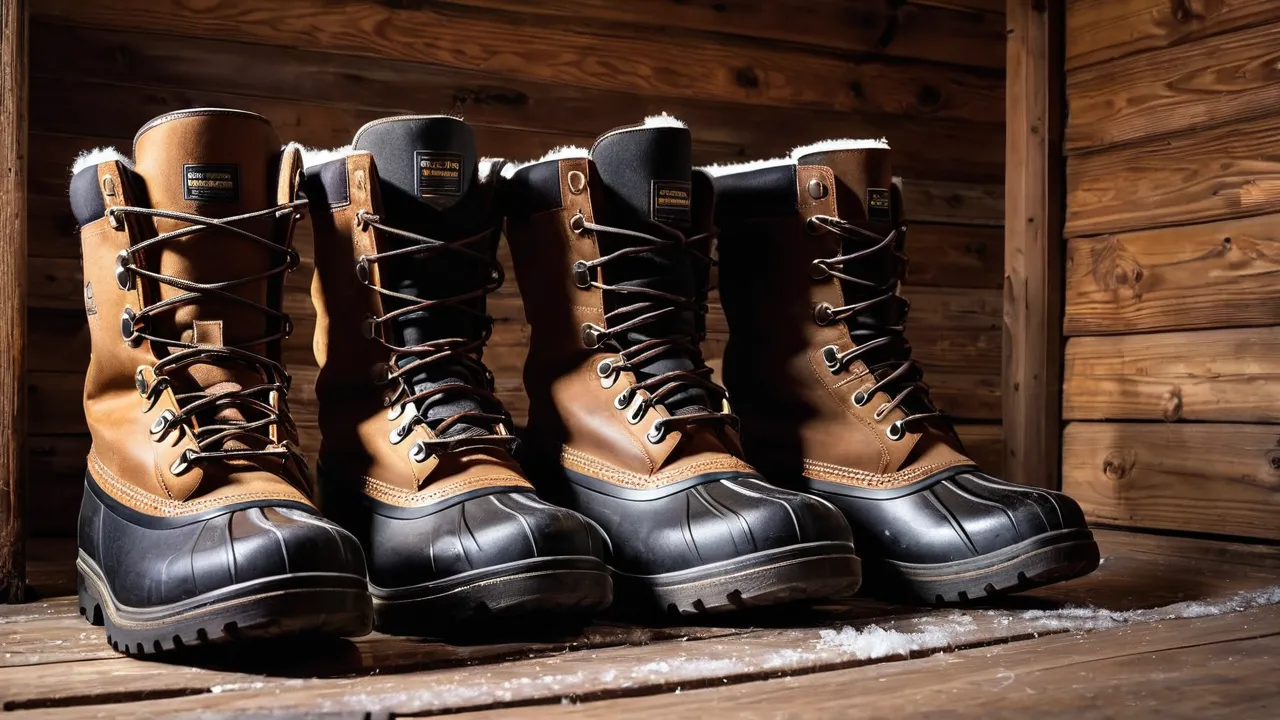
How to choose winter boots starts with where you spend winter, not with a temperature number. List your daily conditions: how long you stand outside, how much you walk, whether the ground is slush, packed snow or salted pavement, and how long your boots stay wet. Then match insulation, waterproofing, sole and fit to that list, and plan for how you will replace the liner when it wears out.
Start with how you actually use them
A commuter who walks from a heated car to a heated office needs a different boot than someone who shovels, walks a dog for an hour or waits at an outdoor transit stop. Heat comes from movement. A boot that is comfortable at a brisk walk can leave you cold when you are standing still.
Write down three things: your longest stretch outside without moving, your typical surface, and how many hours a day the boots stay on. Those three notes decide most of the buying choices below. Many buyers pick a boot for the coldest day of the year and then wear it on every cool day, which means sweaty feet and a liner that wears out sooner than it needs to.
Insulation: warmth depends on activity
Insulation is usually listed in grams, a measure of the weight of synthetic fill. More grams means thicker insulation, not automatically more warmth for you. A person who walks all day generates heat and may sweat in a heavily insulated boot, which makes feet colder once they stop. A person who stands still needs more.
Natural fibers such as wool felt and shearling behave differently from synthetic fills, and some boots use removable felt liners that you can pull out and dry. Check the product page for what the liner is made of and whether it comes out. Our guide to winter boots is the place to compare options by category.
Waterproofing and breathability trade off
A waterproof boot keeps slush out, but a membrane or sealed construction also slows moisture from your feet from escaping. In dry cold, a breathable leather boot with a treatment can be more comfortable. In slush and wet snow, waterproof construction is worth it. Look at shaft height too: a taller shaft handles deeper snow and slush, while a shorter one is easier to put on and off for a commute.
Seam construction matters. A fully sealed bootie or a rubber lower shell is more reliable than a stitched leather lower with a membrane inside, but it can feel heavier. If you walk through puddles at crosswalks, favor a rubber or molded lower.
Soles and traction for pavement, ice and snow
Winter soles need a compound that stays flexible in the cold. Hard plastics can lose grip below freezing. Lug patterns that shed snow help on packed trails, while flatter patterns with soft rubber can serve city sidewalks. No outsole prevents slipping on glare ice, so use caution and consider traction devices if you face icy sidewalks daily. A boot that feels secure on dry snow can feel loose on a polished icy step. Step carefully on a wet entryway before you commit, and keep the return window open. Our companion buying guides cover related fit and traction topics.
Fit: room for socks and circulation
A winter boot should have room for a warm sock and for air to circulate. Squeezed toes are colder than free ones, since a tight fit reduces circulation and compresses insulation. At the same time, a boot that is too large lets your heel slide and causes blisters. Try boots on in the afternoon with the socks you plan to wear. Leave a thumb’s width in front of the longest toe, and make sure your heel stays down when you walk.
A quick matching table
| Your winter | Lean toward |
|---|---|
| Short walks between heated spaces | Lighter insulation, short shaft, easy on and off |
| Long waits at an outdoor stop | Heavier insulation, roomy toe box, warm removable liner |
| Daily dog walking in packed snow | Moderate insulation, waterproof lower, lugged sole |
| Slushy city crossings | Rubber or molded lower, taller shaft, sealed seams |
| Shoveling and yard work | Durable lower, easy clean surface, flexible sole |
Use the table as a starting point, then adjust for your own circulation. Some people run cold in the feet no matter what, and for them the heavier option is usually right. Others overheat easily and do better with lighter insulation and a wool sock. Also consider boot weight: a heavy boot tires your legs on long walks, and many commuters notice this by the end of the first week. Keep a short note after the first few cold weeks about whether your feet were too warm, too cold or just right, and use that note when you shop for your next pair.
A buy once view: liners, soles and repair
Most winter boots fail in predictable places. The liner compresses and loses loft. The outsole wears at the heel and ball. The leather dries and cracks from salt. Stitched or sealed seams leak after years of flexing.
If you want a boot that lasts several winters, look for these features:
- A removable liner that you can replace or dry separately.
- A sole that can be replaced, either by the maker or a cobbler.
- Quality leather or a rubber lower that you can clean and treat.
- Parts like laces and hooks that are replaceable.
- A maker that supplies spare liners or repairs.
If none of these exist, the boot has a short fixed life, and cost per winter is what matters. A boot you replace every couple of seasons is not wrong, but you should budget for it. A second pair for wet days also helps, since boots need a full day to dry.
Salt, slush and care
Road salt dries and cracks leather and leaves white stains. Wipe boots after each wet commute, let them dry at room temperature and avoid putting them next to a heater. Apply a protector made for the material, following the label. Remove liners to dry. Stuffing boots with newspaper helps draw out moisture. Replacing the insole when it flattens is a cheap way to extend comfort.
Common regrets
Owners often report the same few regrets. The first is buying the warmest boot available and then finding it too hot for ordinary days, which leads to damp feet and a boot left in the closet. The second is choosing by looks and discovering a smooth sole on an icy sidewalk. The third is buying a size that fits with thin socks and feels tight with winter socks. The fourth is ignoring the liner, then finding it cannot be removed or replaced when it packs down.
Each regret has a simple prevention. Pick insulation by your activity, check the sole pattern and compound against your surface, try boots on with the real socks, and confirm the liner situation before you buy. If you cannot find answers on the product page, ask the maker or seller, and keep the return window in mind while you wear the boots indoors for a day.
Finally, consider your calendar. Boots bought late in the season may be limited in sizes, and boots bought early give you time to break them in and return them if they do not fit. A little planning in the fall saves a cold, wet January.
Who should buy which style
Choose an insulated, waterproof, taller boot if you stand or wait outdoors or if your commute includes deep slush. Choose a lighter, shorter, less insulated boot if you move constantly or if you spend most of your time indoors and want something to wear on short trips. Skip a very heavily insulated boot if you are on your feet in a warm workplace, because sweat will chill your feet. Skip a very cheap, glued together boot if you need it to last more than a season or two. Our review approach explains how we handle claims about warmth and ratings.
A step by step method
- Step one: write down your three notes from the first section.
- Step two: pick the shaft height and waterproofing level the conditions demand.
- Step three: pick insulation by how still you stand, leaning lighter if you move.
- Step four: check the sole pattern and compound for your surface.
- Step five: fit with your real socks in the afternoon.
- Step six: confirm what can be replaced: liner, insole, laces, sole.
If two boots tie, choose the one with the replaceable liner. If they still tie, choose the one that fits your heel better, since heel slip ruins any boot.
Frequently Asked Questions
How warm should my winter boots be?
Match insulation to how still you stand, not only to the temperature. Active walkers generate heat and do well with lighter insulation and a wool sock. If you wait or stand outside for long stretches, choose heavier insulation and a roomy toe box.
Are waterproof winter boots always better?
No. Waterproof construction helps in slush and wet snow, but it can trap sweat. In dry cold, a breathable leather boot can be more comfortable. Choose by how wet your conditions are and how long your boots stay wet. Check the shaft height too, since snow can enter at the top.
Should winter boots be a size bigger?
Often a little room helps, since you need space for a warm sock and air circulation. But too large a boot lets the heel slide. Try boots on with your winter socks in the afternoon, leave about a thumb’s width in front of the longest toe, and confirm that your heel stays seated when you walk up a slope or stairs.
What makes winter boots last longer?
A removable, replaceable liner, a repairable sole, cleanable materials and care help. Wipe off salt, dry boots at room temperature, rotate pairs when you can, and replace insoles when they flatten. Ask the maker whether spare liners, laces and soles are sold before you buy.
Final Thoughts
Match the boot to your winter, not to the coldest day of the year. Prioritize fit, a waterproof construction suited to your slush level, a sole that grips in the cold, and a liner you can replace. When in doubt, choose slightly less insulation and add warm socks, since you can add warmth but you cannot remove it.
Related buying guides
- Winter Work Boots: Insulated Safety Toe Fit and Warmth
- Kids Winter Boots Sizing: How to Fit Growing Feet
- Pac Boots vs Insulated Hiking Boots vs Snow Boots
About the author

The BuyOnceChoice Editorial Team researches durable products worth buying once. Our guides compare published specifications, warranty terms, expert review consensus, and verified owner feedback. We do not conduct our own product trials. See How We Review and our Editorial Policy for our standards.