When to Resole Work Boots and When to Replace Them
Most resole advice is written for dress shoes. This guide covers work boot soles, the cost-versus-new rule, and how to pick a cobbler or factory recraft.
 By BuyOnceChoice Editorial Team
Updated November 16, 2026
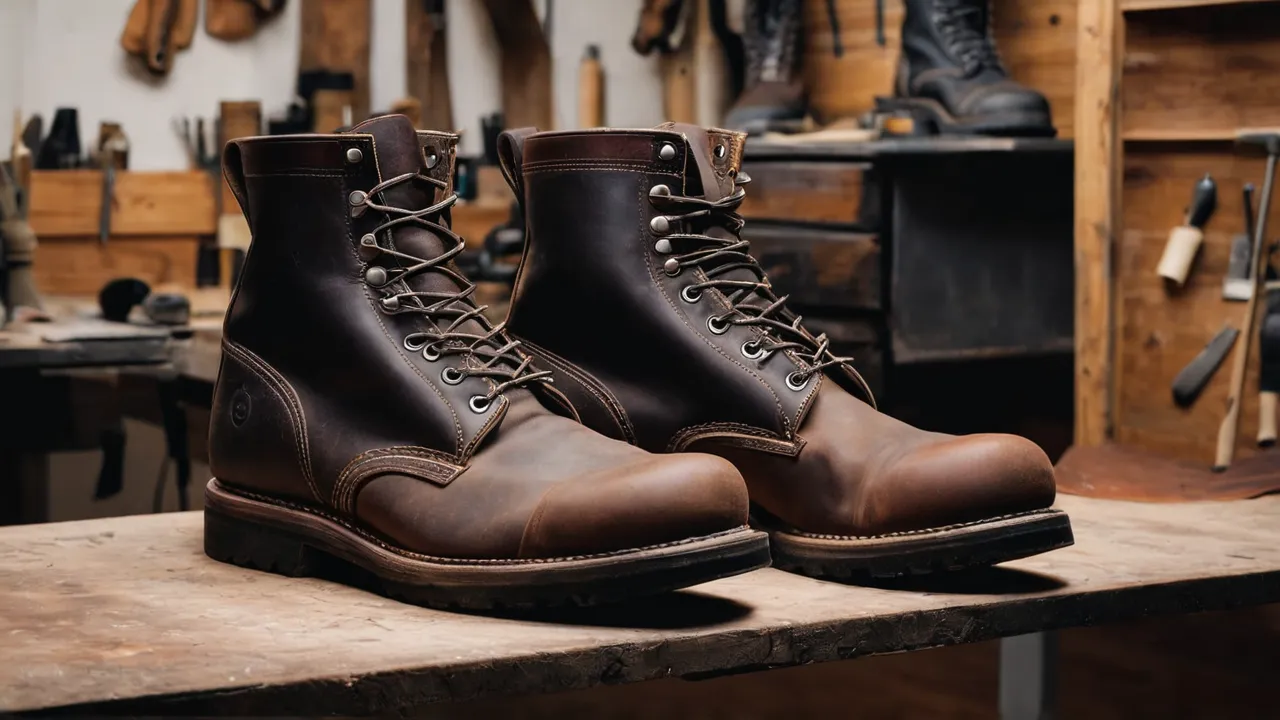
You should resole work boots when the upper, midsole support and fit are still good but the outsole or heel has worn down, and when the cost of resoling is clearly lower than the cost of a comparable new pair. Boots with cracked uppers, collapsed cushioning or a damaged safety toe are not resole candidates, however much the sole looks like it needs replacing.
Can your boots be resoled at all
Start with construction, because it decides the answer before you look at wear. A welted boot, where the upper is stitched to a welt and the welt to the sole, is built to be resoled. Many stitchdown and some Norwegian style constructions are also resoleable. A cemented boot, glued to the outsole, is much harder to resole, and many cobblers will decline it. Injected or direct attach boots are generally treated as disposable.
Check the sole edge. If you can see a line of stitching along the outsole edge or welt, resoling is probably possible. Check the maker’s website for recraft information. If the page mentions a recraft program, that is the most reliable route. If you cannot tell, a cobbler can look at the boot in a few minutes and say yes or no.
Wear signs that say resole now
Wait too long and the damage moves from the outsole to the parts you cannot replace cheaply. Look for these signs:
- Heel wear that has slanted the heel on one side, which changes your gait.
- Lugs worn flat in the ball and heel zones, so traction is gone.
- A visible gap between the welt and outsole, or stitching that is cut or frayed.
- Water or grit coming through the sole edge.
- A thin spot near the ball of the foot where you can feel the ground.
The best time to resole is when the outsole has worn but the midsole and cork or other footbed material have not been exposed. Once the cork footbed is damaged or the midsole has compressed, the boot no longer supports you, and a new outsole will not fix that.
Timing also depends on how you use the boot. A pair you wear daily may need a new sole sooner than one worn two days a week. Check the heel and ball areas monthly by setting the boot on a flat table and looking for rocking or a lean. Keep a note of when you bought it and when you last resoled it, so you can see how many working days each sole delivered.
What a resole does not fix
A new sole does not repair a cracked upper, replace a worn lining or reshape a boot that has stretched. It also does not reset the break-in: the footbed remembers your foot, and that is part of the reason people resole rather than buy new. If the boot never fit well, resoling is the wrong move.
For safety toe boots, a resole can affect the marking on the tag. Ask the maker or the cobbler what happens to the certification, and confirm with your employer if you must show compliance. Our buying guides cover more on safety toe details.
The cost versus new rule
Use a simple rule so that emotion does not decide.
- Get a quote for the resole from a cobbler or the maker.
- Find the price of a comparable new boot with the same protection and fit.
- If the resole costs less than about half of a comparable new boot, resole.
- If it costs more than about two thirds, lean toward replacing, unless the fit of your current pair is hard to match.
- Between those numbers, weigh the break-in time you would lose and the condition of the upper.
These ratios are a rule of thumb, not a law. A boot that took a month to break in, or one that fits an unusual foot, is worth more than a boot of the same price from a store shelf. A boot with a damaged upper is worth less, because the rest of the boot may fail soon after the resole.
Do the math once: if a resole buys you a couple more years of wear and the new boot would last about the same, the lower price per year wins. See our work boots category for construction guides that help estimate that.
Repair or replace: a short rule
Repair when the upper is sound, the midsole and footbed are intact, the boot fits and the quote is under about half the price of a comparable new pair. Replace when the upper is cracked through, the lining is gone, the midsole has collapsed, the safety toe is dented, or the quote is close to the price of a new boot.
A worked example
Say you wear welted boots five days a week. After a couple of years the heel has slanted and the forefoot lugs are smooth. The upper is supple, the lining is intact and the boots fit well. A cobbler quotes a full resole with a new heel stack, and a comparable new boot costs about twice as much. The quote is near half, the upper is sound and the fit took weeks to build, so you resole.
Now imagine the same boots with a split at the flex crease and a torn heel lining. The quote now includes lining and stitching work, and the total approaches the price of a new boot. Here you replace, and you may keep the old pair for dry, low risk tasks.
Finally imagine a cemented pair with a worn sole and a sound upper. No cobbler will take the job, and the maker offers no recraft. The boots are at the end of their life, and the lesson for the next purchase is to ask about construction before buying.
Factory recraft or local cobbler
You have two main choices.
Factory recraft
The maker takes your boot, replaces the sole with its own parts, and often repairs stitching and linings. This keeps the boot closer to its original design and may protect any marking or warranty claim. Recraft takes weeks, and some makers do not offer it for every model. Ask for a written quote and a timeline.
Local cobbler
A good cobbler can do work faster and cheaper, and can often choose from several outsole styles. The risk is that the new sole may differ from the original in stiffness, height or tread, and the safety rating may no longer apply. Ask to see examples of boots they have resoled, ask which soles they stock, and ask whether they have done welted work boots before, not only dress shoes. Many cobblers who excel at dress shoes lack the machines for lug soles.
Questions to ask before you hand them over
Bring the boots in clean and dry, and ask a few direct questions. What exactly will be replaced: outsole only, or midsole, shank and heel stack too? Will the boot be restitched through the welt or glued? What is the expected turnaround, and is the quote in writing? Does the shop guarantee its work if the sole separates, and for how long? Do they keep your original sole if you ask, so you can check what was removed? A shop that answers these plainly is more likely to do the work well. Ask also whether the boot can be resoled a second time, because each resole uses up some of the welt, and the answer tells you how many lives the boot has left.
How to choose the new sole
Match the replacement to your work, not to the original tread. If you stand on oily floors, ask for a slip resistant compound. If you work on gravel, ask for deeper lugs. If you work near hot surfaces, check the sole’s heat limits with the maker or cobbler. A softer compound feels better but wears faster, while a harder compound lasts longer and may feel firmer. Ask for a midsole or shank replacement if yours is damaged, since resoling is the best time to do it.
Who should resole and who should replace
Resole if you own a welted boot that fits well, the upper is sound, and the numbers above work. Replace if the boot is cemented, the upper is cracked, the safety toe is damaged, the lining is shot or your job requires a new certification. If your employer inspects footwear, a replaced boot with a fresh tag may be easier than explaining a resole. Our review approach explains how we weigh repair against replacement.
Frequently Asked Questions
How do I know if my work boots need resoling?
Look for a slanted heel, lugs worn flat at the ball and heel, a gap between welt and outsole, water coming through the sole edge or a thin spot underfoot. If the upper and footbed are still sound, a resole can restore the boot.
Is it cheaper to resole work boots or buy new ones?
Usually cheaper to resole if the quote is under about half the price of a comparable new pair and the upper is sound. If the quote approaches two thirds of a new pair or more, replacing is often the better choice.
Can cemented work boots be resoled?
Often not cleanly. Many cobblers decline cemented boots, and direct attach boots are generally treated as disposable. Ask a cobbler to look at the boot before you count on a resole, and check the maker’s recraft information, since some makers will rebuild boots a cobbler cannot.
Does resoling work boots affect their safety rating?
It can. A new sole may change parts that protect the foot, and some makers say repairs void the marking. Ask the maker or the cobbler in writing, and confirm with your employer if you must show compliance, since a boot that no longer matches its tag may be rejected at inspection.
Final Thoughts
Check construction first, resole while the upper and footbed are still healthy, and compare a written quote against the price of a comparable new boot. Choose a recraft or a cobbler who works on work boots specifically, and ask what happens to your safety marking before you hand them over.
Related buying guides
- Wide Feet and Work Boots: Width Sizing Explained
- Women’s vs Men’s Work Boots: Sizing and Last Differences
- Work Boot Buying Mistakes That Cost You Twice
About the author

The BuyOnceChoice Editorial Team researches durable products worth buying once. Our guides compare published specifications, warranty terms, expert review consensus, and verified owner feedback. We do not conduct our own product trials. See How We Review and our Editorial Policy for our standards.