Steel Toe vs Composite Toe vs Alloy Toe Boots
Steel, alloy, and composite toes can all meet the same standard. Here is how to choose by job, metal detector rules, electrical hazards, and fit.
 By BuyOnceChoice Editorial Team
Updated November 16, 2026
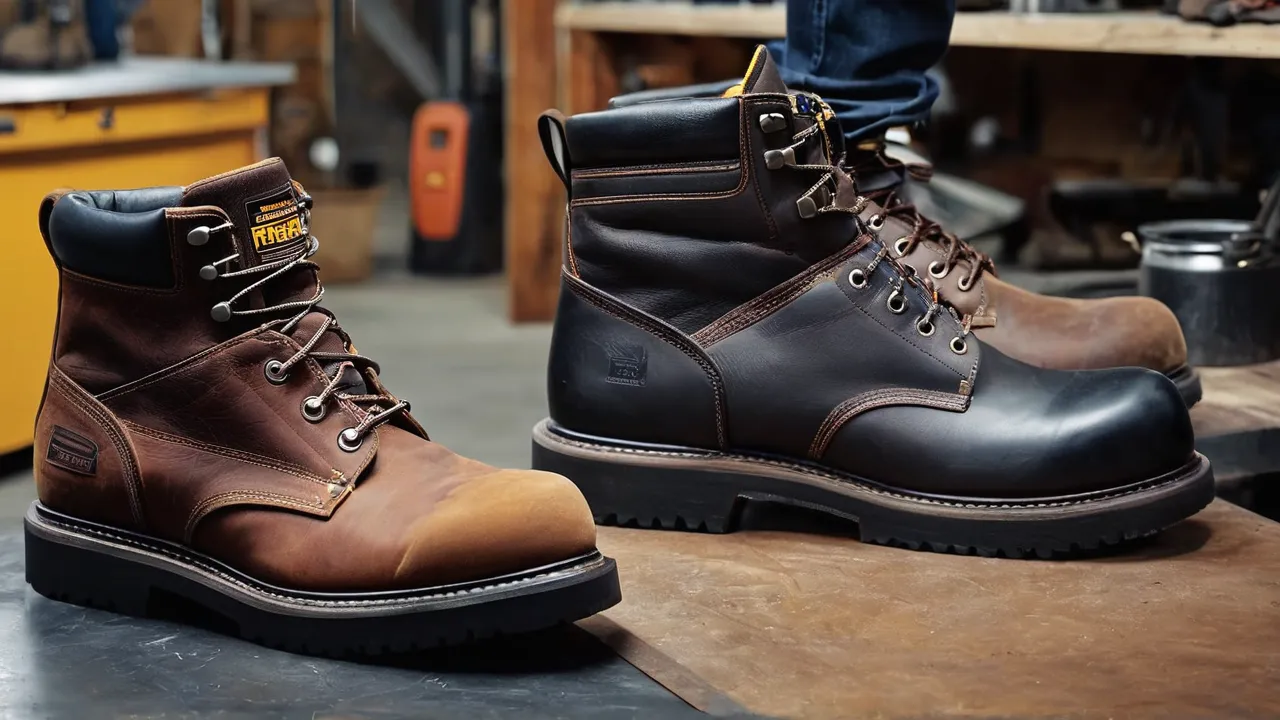
Steel toe vs composite toe vs alloy toe comes down to this: the material of a safety toe does not decide how protective it is. A steel, alloy or composite cap all protect when the boot carries the impact and compression rating your workplace requires, so choose the material by the job conditions around the rating: metal detectors, electrical hazards, temperature, and how much weight and bulk you can tolerate.
Safety and compliance note
Safety toe ratings and hazard markings must match the workplace requirement. Confirm with your employer or safety officer before you buy, because a boot that suits another site may not satisfy yours. This guide is general information, not compliance advice. If a rule in this article differs from the requirement written for your job, follow the written requirement and the boot’s manual.
Rating first, material second
In the United States, safety toe footwear is commonly marked to the ASTM F2413 standard, which sets minimum impact and compression performance. The marking tells you the rating. The material only tells you how the manufacturer got there. A thick steel cap and a thicker composite cap can carry the same impact and compression rating, and a poorly made boot of any material can fail to meet the standard if it was never built to it.
So when you compare boots, read the tag or product specification first. If the boot does not state a safety toe rating, the material name on its own is not evidence of protection. The short rule is that you should treat the rating as the decision and the material as a tiebreaker.
What each material is and how it behaves
Steel is the traditional choice. It is strong in a slim profile, so the toe box can stay lower and less bulky. It conducts heat and cold and it is detectable by metal detectors.
Alloy toes are made from lightweight metals such as aluminum or titanium blends. They are usually lighter than steel at a similar rating and often slimmer than composite, but they are still metal, so they typically trigger metal detectors. They tend to cost more than steel.
Composite toes use non metal materials such as fiberglass, plastic, carbon fiber or Kevlar based blends. They do not conduct electricity or set off metal detectors, and they transfer less heat and cold. To reach the same rating the cap is often thicker, which can make the toe box taller or bulkier. Any boot that has taken a serious hit should be assessed and replaced according to the maker’s guidance, whatever the cap material.
| Factor | Steel | Alloy | Composite |
|---|---|---|---|
| Typical weight | Heaviest | Lighter than steel | Light, varies by build |
| Toe box bulk | Slim | Slim | Often taller |
| Metal detector sites | Triggers | Usually triggers | Does not trigger |
| Heat and cold transfer | Higher | Moderate | Lower |
| Cost tendency | Lowest | Highest | Middle to high |
Treat the table as tendencies. Particular boots vary, and the maker specification is what counts.
Decision rules by job
Use these rules after you have confirmed the required rating.
- Welders, foundry and hot surface work: check the maker guidance for heat and metal contact. Many people prefer composite to limit heat conduction, but follow the site rule.
- Airports, courthouses, data centers and other metal detector sites: composite, or a boot the facility confirms as acceptable, so you are not removing footwear at every checkpoint.
- Cold storage, winter construction and outdoor winter work: composite or alloy conducts less cold than steel, which can keep the toes warmer in long exposure. Pair it with the right insulation and socks.
- Carpentry, framing and general construction: steel is a long standing default and keeps the boot lower profile for ladders and tight spaces. Alloy is a good step up if weight on long walking days bothers you.
- Electricians and utility crews: look for the electrical hazard marking separately, and prefer non metal construction where your site rules call for it.
- Warehouse and delivery with long walking: weight matters most. Alloy or a lightweight composite is often chosen.
- Heavy rigging, demolition and sites with crush risk: choose the highest rating your safety officer requires, not the lightest material.
Electrical hazard and metal detector notes
An EH marking is a separate rating from the toe rating. A composite toe does not automatically make a boot EH rated, and a steel toe does not rule an EH boot out. The EH marking applies to the whole boot construction, and it reduces shock risk as secondary protection only. Always follow your employer’s electrical safety rules and use proper procedures rather than relying on footwear. A licensed electrician or safety officer can tell you which protection your work requires.
For metal detectors, the sole and shank can also contain metal. If you need a boot that clears a detector, look for words such as metal free in the specification and confirm with the site. Do not assume that a composite toe alone is enough.
Fit and comfort differences
Because composite caps can be taller, some wearers with a low instep or a wide forefoot find the toe box tighter at the top. Steel caps sit slimmer but can feel cold in winter and can press if the boot is sized too short. When you shop, stand with your toes level and check that you have room to wiggle without the cap pressing the nail or knuckle. Our work boot sizing guide approach, measuring at the end of the day with work socks, applies to all three materials.
Worked examples
A warehouse picker walks several miles a shift, handles light cartons and passes no metal detectors. The hazard is occasional compression from a pallet jack. A lighter alloy or composite cap with a cushioned midsole and a rating that matches the policy suits the job, and every ounce saved matters across thousands of steps.
A carpenter climbs ladders and works in tight spaces. A slim steel cap keeps the toe box low and the boot flexible at the ball of the foot, and steel is often the most economical way to get the required rating. The carpenter should still check the fit at the toe and avoid sizing short.
A courthouse or airport maintenance worker passes metal detectors daily. A composite cap in a metal free boot avoids removing footwear at checkpoints, as long as the site confirms the construction. A written confirmation from the facility prevents surprises.
A winter lineman or outdoor worker stands in the cold for hours. A composite or alloy cap with insulated construction and wool socks keeps toes warmer than a bare steel cap, and EH or other markings come from the requirement list, not from the cap material.
If you work across several of these settings, buy for the strictest requirement and the longest exposure, then manage weight and warmth with sole, insulation and socks.
Myths worth dropping
Several claims circulate about toe materials, and most fail on closer reading.
- Steel toes can cut off your toes in a crush. The usual story describes a cap that deformed under extreme load. Compression ratings exist so that the cap holds a defined clearance under a defined load. The risk comes from loads beyond the rating, which is why the rating must match the hazard.
- Composite is always warmer. It conducts less heat, so it does not pull warmth out of the toes as quickly, but insulation, sock choice and fit do far more for warm feet.
- Alloy is always the best of both. It is a good compromise, but it still triggers detectors and costs more, so it is the best option only when weight is your main complaint.
- A heavier boot is always safer. Weight tells you about materials and build, not about the rating.
Judge the boot by the markings, the fit and the site rule. If a seller leans on a myth to sell a material, that is a reason to read the spec sheet more carefully.
What to check on the product page
- The full rating line, not just the words steel toe or composite toe.
- Whether EH, PR or other markings are listed along with the toe rating.
- Whether the maker states metal free construction for detector sites.
- Any wear guidance about replacing boots after a heavy impact or compression event.
- The return policy, since fit varies by toe cap shape.
You can start your comparison from the Work Boots category and read how we think about durability claims on our review approach page.
Frequently Asked Questions
Is a composite toe as protective as a steel toe?
If it carries the same impact and compression marking, it meets the same requirement. The material does not decide protection, the rating does. Composite caps are lighter and non metallic but often bulkier. Check the tag and confirm the marking with your employer.
Do composite toe boots set off metal detectors?
The cap does not, but the sole, shank or eyelets can contain metal. Look for metal free in the specification and confirm with the site. Steel and most alloy toes will trigger detectors, so a site that screens footwear may require a specific boot type.
Which toe is best for cold weather?
Composite or alloy conducts less cold than steel, so toes may stay warmer, but insulation, socks and fit matter more. Choose insulated boots with room for warm socks, a roomy toe box and a sole that blocks cold from the ground, and confirm the safety rating matches your job.
Are alloy toe boots worth the extra cost?
They can be if weight is your main complaint, since alloy caps are lighter than steel and slimmer than composite. They still trigger metal detectors and cost more, so consider whether your job needs those trade-offs and whether a lighter boot overall would help more.
Final Thoughts
Pick the rating your workplace requires, then pick the material that fits the job around it. Steel is the slim, economical default, alloy trades money for weight, and composite suits metal detector sites, cold work and heat exposure. If you cannot say which rating your site requires, ask before you buy.
Related buying guides
- Vibram vs Rubber vs Polyurethane Work Boot Soles
- Waterproof Work Boots: Membrane vs Leather Treatment
- Wedge vs Heeled Work Boots: Sole Shape and Your Back
About the author

The BuyOnceChoice Editorial Team researches durable products worth buying once. Our guides compare published specifications, warranty terms, expert review consensus, and verified owner feedback. We do not conduct our own product trials. See How We Review and our Editorial Policy for our standards.