Work Boots for Standing on Concrete: What Features Matter
Concrete is unforgiving and boots decide how the day feels. This guide covers midsole, shank, insoles and rotation so you can compare features sensibly.
 By BuyOnceChoice Editorial Team
Updated November 16, 2026
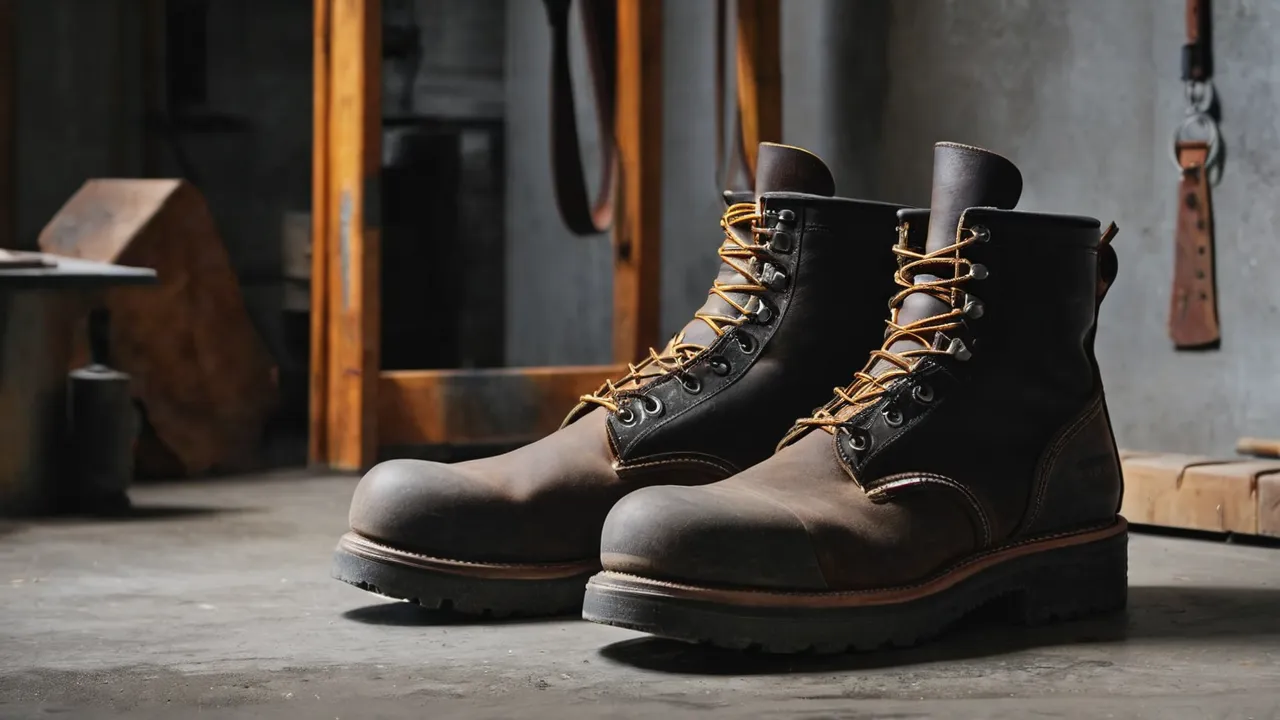
The best boots for standing on concrete all day have a cushioned but supportive midsole, a shank stiff enough to keep the foot from collapsing, a roomy fit for your insole and socks, and a second pair to rotate. Concrete does not give underfoot, so every step sends impact back to the foot, and the boot has to share that load. No boot makes a hard floor soft, so pair the right features with good habits.
Why Concrete Is Hard on Boots and Feet
Concrete is unyielding. On a softer surface, the ground absorbs some of the impact of each step and some of the load from standing. On concrete the boot’s midsole and your own foot do all the work. Standing still is its own challenge, since the same pressure points stay loaded for hours, with little change in posture.
Fatigue builds from the combination: hard impact, static loading and, often, a boot that is heavier or stiffer than a shoe you would wear casually. The right boot reduces the load per step and spreads pressure, and the right routine spreads the work across the day. This article does not offer medical advice, and if you have persistent foot, knee or back pain, a clinician can advise on footwear and treatment.
Midsole Cushioning and Stack
The midsole sits between your foot and the outsole and is the main source of cushioning. Common materials include EVA foam, polyurethane and rubber compounds. EVA is light and soft, polyurethane is denser and often lasts longer, and rubber adds durability and grip. Product pages rarely give numbers, so use the descriptions and your own hands.
How to compare midsoles without a spec sheet:
- Press your thumb into the midsole through the sole edge. It should compress and rebound, not stay dented.
- Look at the stack, the thickness of the midsole under the heel and ball. A thicker midsole generally gives more cushion and more weight.
- Look for visible creasing or compression lines, which can signal foam that is already tired in a display pair.
- Compare weight by picking the boots up, since heavier boots tire the legs over long shifts.
Too much softness can be a problem. A very soft midsole can feel unstable when carrying loads and can bottom out under a heavy person. Medium firmness with some rebound suits most people on concrete.
Shank and Sole Stiffness
A shank is a stiff layer between the insole and outsole under the arch. On concrete, a supportive shank stops the sole from folding at the arch, which can strain the foot during long standing. A boot that bends in the middle when you press the toe and heel together may feel comfortable at first and tiring later.
Flex should occur at the ball of the foot, where your foot bends. Check this by holding the boot at the heel and pressing the toe up against a table. The bend should be near the ball and not near the arch. Our wedge versus heeled soles guide explains how sole shapes change stability and impact.
Insoles, Socks and Fit
Fit comes first. A boot that is too tight or too loose makes every other feature irrelevant. Fit in the afternoon, with your work socks and any insole you use, and leave room for your toes.
An insole can add arch support and cushion. Take out the factory insole and put in the new one, then recheck the fit, since a thicker insole uses room. Cushioned socks with targeted padding at the heel and ball reduce friction and add comfort. Moisture-wicking fibers keep the foot dry, which cuts down on hot spots.
Sock and Insole Combinations That Work on Hard Floors
- A medium cushioned wool blend sock with a firm contoured insole for people with lower arches.
- A light sock with a cushioned insole for boots that run snug.
- A thin liner sock under a medium sock, only when the boot has room.
These are starting points, and your feet decide. If a combination causes numbness or pressure, loosen up or go back to what worked.
Rotation, Breaks and Floor Strategy
Rotate two pairs of boots, so each gets a full day to rebound and dry. Foam recovers in a day, and moisture dries, which extends the life of both the midsole and the insole. If you can, use anti-fatigue mats at fixed stations, and shift your weight from foot to foot. Take short breaks to sit or walk, and change posture often. If your workplace has options for mats, ask for them. If you can alternate between standing and walking, do so.
Small Habits That Add Up
- Stand with your weight evenly on both feet and shift often.
- Stretch your calves and feet during breaks.
- Remove your boots at lunch if you can and let your feet air.
- Check your insoles and replace them when they flatten.
- Keep laces snug at the ankle and looser over the forefoot.
Decision Rules, Examples and Safety
- If you stand mostly in one spot, prioritize midsole cushioning, a supportive footbed and a mat.
- If you walk long distances on concrete, prioritize a lighter boot with a stable sole.
- If you climb ladders or carry loads, prioritize a stiffer shank and a firm heel.
- If your boots feel fine at the start and bad by the end, check the midsole and insole, since foam compresses.
Safety comes first at work. Choose the safety toe, puncture-resistant or electrical hazard ratings your job requires, and follow your employer’s footwear rules. For ratings and construction notes, see the maker’s manual, and read how we review for how we treat claims. Explore the wider clothing and footwear section for related guides.
Check the floor itself too. Polished or sealed concrete can be slick when wet, so a slip-resistant outsole matters even on a dry-looking floor. Expansion joints and cracks catch the toe of a stiff boot, and a rocker-style sole can feel different on a flat floor than on an uneven one. If your workplace offers a choice of mats or floor coatings, those changes can matter as much as the boot.
Two Worked Examples
A machine operator stands at one station for most of an eight hour shift. Their boots have a thin, soft midsole and a flexible shank. By the afternoon their heels ache and their arches burn. The fix is a boot with a firmer midsole and a stiffer shank, a contoured insole and a mat at the station. They also keep a second pair, so the foam rebounds overnight. In this case the features that matter most are midsole and shank.
A delivery worker walks on concrete loading docks and climbs in and out of a truck. Their boots are heavy and stiff, and their legs tire early. The priority is weight and a stable sole with moderate cushion, and the right answer may be a lighter boot with a wedge or low-heel sole. In this case, weight and traction matter more than maximum cushion.
Both workers face concrete, but the job changes the answer. Write down whether you mostly stand, walk or climb before you compare boots, and rank the features accordingly.
When to Replace the Boots
Replace boots when the midsole is visibly compressed or creased, the outsole is worn smooth, the heel is worn unevenly or your feet hurt more than they used to in the same boots. A boot that looks fine outside can have a dead midsole. If you stand all day, plan on replacing boots or at least insoles on a regular cycle, and do not wait for the leather to fail.
A Quick End of Shift Check
At the end of a shift, notice where your feet ache. Heel pain points to heel cushion or fit, arch ache points to arch support or a collapsing shank and ball pain suggests the forefoot is too stiff, too narrow or lacks cushion. Make one change at a time, such as an insole, a sock or a pair rotation, and give it a few days before changing the next.
Frequently Asked Questions
What boots are best for standing on concrete all day?
Look for a firm but cushioned midsole, a supportive shank and a fit with room for your insole and socks. Rotate two pairs, use cushioned wool socks and take breaks. No boot removes the impact, so combine the right boot with good habits.
Do insoles help when standing on concrete?
They can. A supportive insole adds arch support and cushion, and many people find them helpful on long shifts. Take out the factory insole, check that the boot still fits and give the new insole a few days to settle. If pain continues, see a clinician.
Are softer boots better for concrete floors?
Not always. A very soft midsole can feel good at first but compress quickly and feel unstable. A medium firmness with rebound usually works better over a full shift. Compare by pressing the midsole and by how your feet feel at the end of the day.
How long do work boots last when worn on concrete?
It depends on use, weight and materials. Concrete wears outsoles and compresses midsoles faster than softer floors. Check for flattened foam, worn treads and uneven heels, and replace boots or insoles when comfort drops, not on a fixed calendar.
Final Thoughts
For standing on concrete, choose a boot with a cushioned but supportive midsole, a stiff enough shank, a good fit with your insole and socks, and rotate two pairs. Build in breaks and mats, check your boots for compressed foam and replace them when comfort drops.
Related buying guides
- Work Boots for Plantar Fasciitis: What to Look For
- Work Boots vs Hiking Boots: Which Do You Need
- Work Boots vs Cowboy Boots: Job Site Fit and Wear
About the author

The BuyOnceChoice Editorial Team researches durable products worth buying once. Our guides compare published specifications, warranty terms, expert review consensus, and verified owner feedback. We do not conduct our own product trials. See How We Review and our Editorial Policy for our standards.