Solar Panel Efficiency vs Wattage: What Matters
Wattage tells you how much power a panel makes, and efficiency tells you how much area it needs. Here is a cost per watt method that keeps both in view.
 By BuyOnceChoice Editorial Team
Updated November 16, 2026
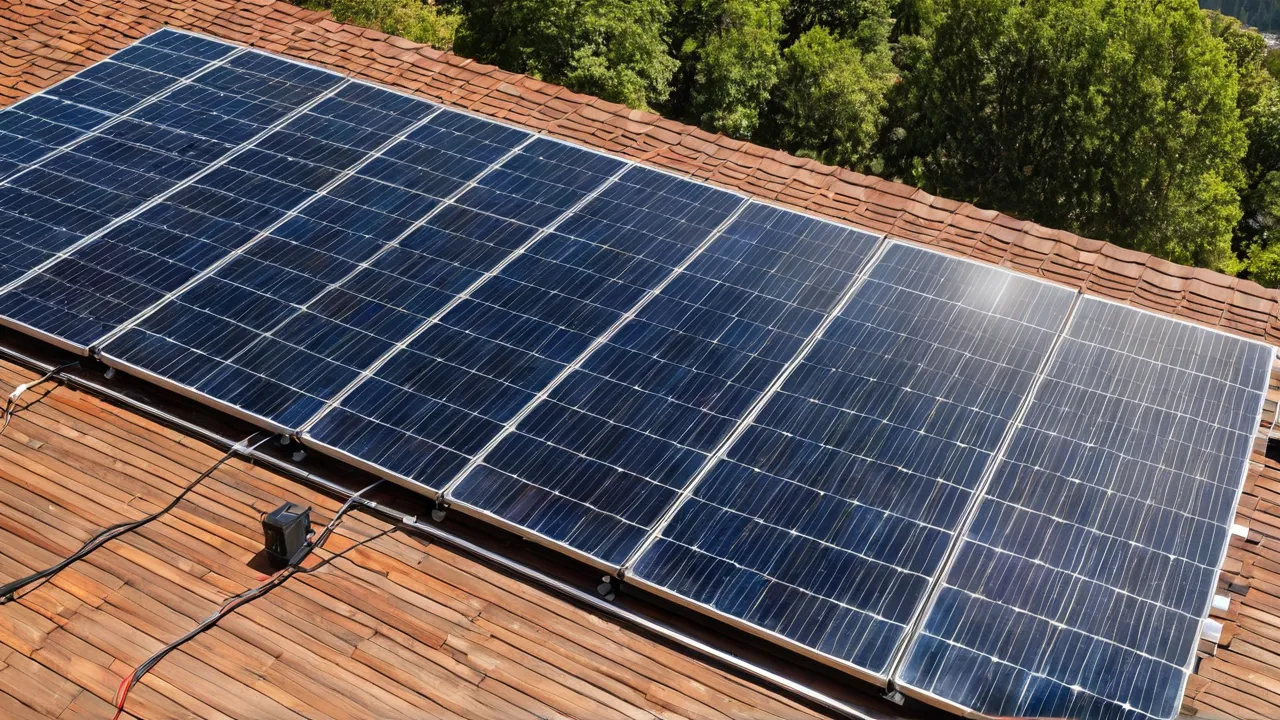
Solar panel wattage is how much power a panel can produce in total under standard rating conditions, while efficiency is the percentage of sunlight hitting the panel that becomes electricity, which tells you how much wattage fits in each square foot. Wattage decides how much power one panel makes, and efficiency decides how much space you need for a given total, so efficiency matters mostly when space is limited.
This guide explains how the ratings are measured, gives a method to compare panels without prices, shows when efficiency matters and when it does not, and lists the specs that matter more than the headline number. Browse our solar panels category for options, read how we review for how we treat specifications, and visit the power and energy section for related guides.
Two Numbers, Two Questions
Wattage answers how much power one panel gives. A 400 watt panel is rated to produce 400 watts under standard rating conditions. Efficiency answers how well the panel converts the sunlight that lands on it. A panel with higher efficiency produces more watts per square foot.
The two numbers are linked by size. Wattage equals efficiency times area times the standard sunlight intensity. Two panels of equal wattage can have different efficiencies if one is larger. A larger, cheaper panel with lower efficiency might equal a smaller, more efficient one in watts, but it needs more room, more racking, and more wiring runs.
How the Rating Is Measured
Ratings are measured under a standard set of conditions: a specific sunlight intensity, a cell temperature of about 77 degrees Fahrenheit, and a defined spectrum. Real conditions differ. Panels get hotter than that in sun, and output falls as temperature rises. Therefore, the label tells you how panels compare under identical conditions, not what they will produce on your roof at noon.
Check the tolerance too. A panel rated 400 watts with a plus-only tolerance will meet or exceed that number, while a plus-minus tolerance could fall a bit below. The datasheet states this, and it is part of comparing like with like.
A Method to Compare Panels Without Price
Use three numbers from each datasheet. Compute watts per square foot by dividing rated watts by the panel’s area, which is length times width in feet. Check the temperature coefficient, which shows how much output falls per degree of heat. And check the warranty’s guaranteed output at the end of its term. Rank panels by those three, and bring in price only after you know which ones fit.
- Watts per square foot: higher is better when space is tight.
- Temperature coefficient: a smaller negative number is better in hot climates.
- Guaranteed end-of-term output: higher is better for long-term production.
- Voltage and current: must fit your controller or inverter.
A Worked Example
Panel A is rated 400 watts and measures about 5.6 feet by 3.6 feet, about 20 square feet, or 20 watts per square foot. Panel B is rated 330 watts and measures about 5.4 feet by 3.3 feet, about 17.8 square feet, or 18.5 watts per square foot. On a roof section with 120 square feet usable, Panel A fits about six panels for 2,400 watts, and Panel B fits about six panels for 1,980 watts. The difference is about 420 watts, or roughly twenty percent more from the same space. If the roof had 300 square feet usable, you could simply add more of Panel B, and efficiency would matter less. These are illustrative figures, so use datasheet values.
When Efficiency Matters
Efficiency matters when space, weight, or roof limits cap the number of panels. Small roofs, vans, boats, RVs, and shaded sites where only a small clean patch gets sun all benefit from higher efficiency. It also matters when each panel carries fixed costs, such as racking, labor, and wiring, since fewer panels means fewer fixed costs.
It matters less when you have lots of ground space, flexible budgets for more panels, or simple portable use where you carry a panel in a bag and pay by weight rather than area. In those cases, lower cost per watt and good warranty terms might matter more than the efficiency number.
Cost Per Watt Logic Without Prices
Cost per watt is the price divided by rated watts, and it is the usual way to compare panels of different sizes. Without quoting prices, you can still reason about it. A more efficient panel often costs more per watt, but it can reduce other costs on a space-limited site: fewer panels to rack, fewer connections, less labor, and fewer penetrations in the roof. A lower-efficiency panel often costs less per watt, which helps on open ground where space is free and racking is simple.
To compare fairly, compute total installed cost per watt for each option, not just the panel price. Ask installers to itemize panels, racking, wiring, and labor. Then compare the cost per annual kilowatt-hour the system is estimated to produce, which accounts for efficiency, temperature, and shading together. That final figure is more honest than either efficiency or wattage alone.
Common Misreadings
- Treating a one point efficiency gap as a large performance gap.
- Assuming a higher wattage panel is automatically better, when it may be larger and heavier.
- Comparing panels from datasheets that use different rating conditions or tolerance conventions.
- Ignoring temperature coefficient in a hot climate.
- Forgetting that the inverter or controller limits what the panel can deliver.
A Quick Decision Path
First, measure your available area and write down the total watts you want. Second, divide watts by area to get the watts per square foot you need. Third, shortlist panels that meet or exceed that figure. Fourth, among them, compare temperature coefficient, warranty, and certifications. Fifth, compare installed cost per annual kilowatt-hour. If no panel meets the watts per square foot you need, either find more space, accept fewer watts, or use higher-efficiency panels. If many panels meet it, choose on warranty and cost, not on the efficiency headline. This path takes less than an hour with a few datasheets and a calculator, and it keeps the discussion on numbers that matter.
Efficiency in Portable and Off-Grid Use
For portable panels, efficiency shows up as weight and folded size. A higher-efficiency foldable panel of a given wattage is smaller and lighter to carry, which matters if you hike or pack a small vehicle. Look at the weight on the datasheet and compute watts per pound as well as watts per square foot. Also note that portable panels often lose real output to poor aiming, partial shade, and heat on dark surfaces, so a modest efficiency edge may matter less than keeping the panel clean and pointed at the sun. If you size a portable setup by the station’s solar input limit, more efficiency does not help beyond that cap, and extra watts may simply go unused. Check the input limit before paying for a higher-efficiency panel.
Specs That Matter More Than the Headline
- Temperature coefficient of power, since hot panels lose output.
- Degradation rate and the guaranteed output at the end of the warranty term.
- Low-light behavior and shade tolerance, which depend on cell layout and bypass diodes.
- Voltage and current fit with the controller or inverter.
- Certifications, build quality, and the maker’s track record with warranty claims.
A one or two point efficiency gap is often smaller than the difference a good warranty or a better temperature coefficient makes over decades. Treat efficiency as one input in the comparison, not a ranking.
Safety Notes and Who Should Choose What
Panels produce voltage whenever there is light, so handle them with care. Rooftop installation and any connection to a home need licensed professionals, permits, and utility approval. Follow the manual for any panel you handle, and do not stand on or bend panels.
- Small roofs and vans: favor higher efficiency, within budget.
- Large ground mounts: favor lower cost per watt and a strong warranty.
- Hot climates: favor a smaller temperature coefficient.
- Portable use: favor weight and rugged build, then efficiency.
Frequently Asked Questions
Is higher efficiency better for solar panels?
It is better when space is limited, since you get more watts from the same area. When you have plenty of room, efficiency matters less than cost per watt, warranty, and temperature performance. Compare watts per square foot and the datasheet, not the efficiency percentage alone.
What is the difference between panel efficiency and wattage?
Wattage is the total power a panel can produce under standard rating conditions, and efficiency is the share of sunlight that becomes electricity. Wattage tells you how much one panel makes, and efficiency tells you how much power fits in each square foot of area.
Do more watts mean a better solar panel?
Not necessarily. A larger panel can have more watts but lower efficiency, so it needs more space. Compare watts per square foot, temperature coefficient, warranty, and fit with your equipment. The best panel is the one that meets your energy goal in your available space.
Final Thoughts
Wattage tells you how much power a panel makes, and efficiency tells you how little space it needs to do so. Use watts per square foot to compare panels, look past the headline to temperature coefficient and warranty, and choose higher efficiency when space limits you. Use licensed professionals for any home connection.
Related buying guides
- Solar Panel Maintenance and Cleaning Basics
- Solar Panel Shading: How Much Output You Lose
- 12V vs 24V vs 48V Solar Systems: Which Voltage
About the author

The BuyOnceChoice Editorial Team researches durable products worth buying once. Our guides compare published specifications, warranty terms, expert review consensus, and verified owner feedback. We do not conduct our own product trials. See How We Review and our Editorial Policy for our standards.