Semi Automatic vs Super Automatic Espresso Machines
Terms vary between brands, so start with definitions. Then compare repair outlook, grinder wear, and cleaning effort for each espresso machine type.
 By BuyOnceChoice Editorial Team
Updated November 16, 2026
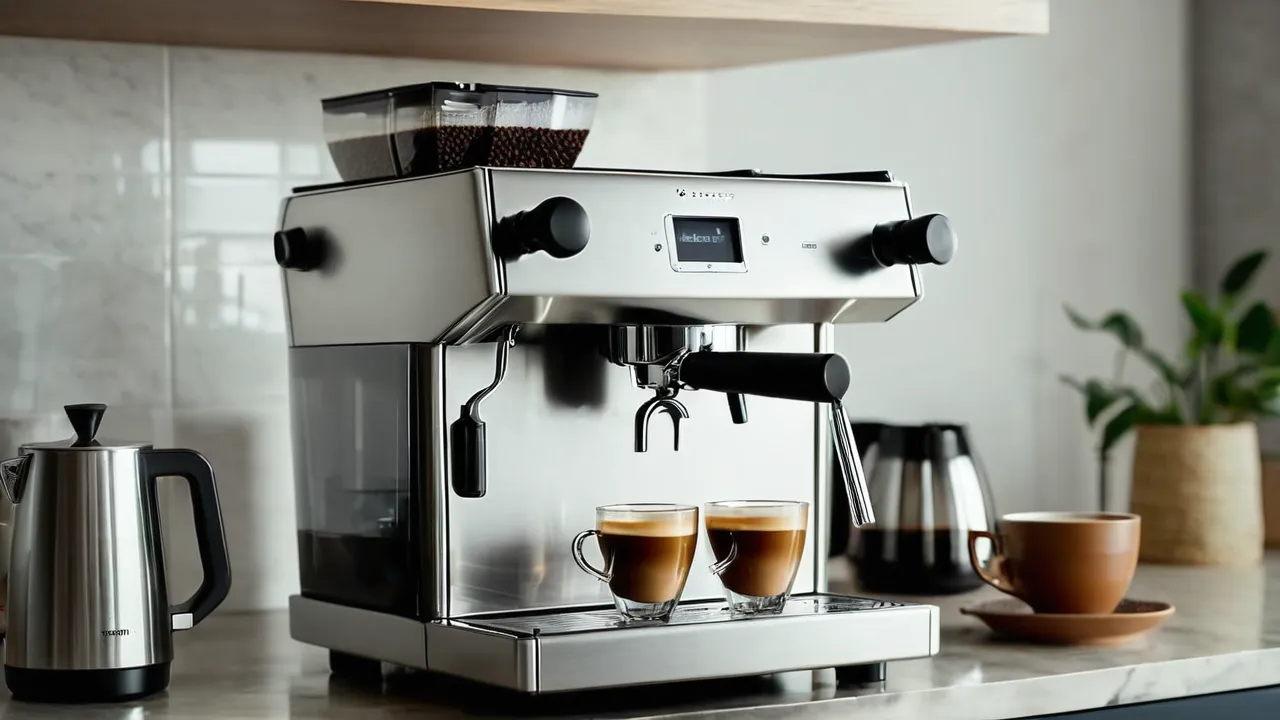
A semi automatic vs super automatic espresso machine choice is a trade between control and convenience. With a semi automatic you grind, dose, tamp, and start the shot yourself, while a super automatic grinds, doses, tamps, and brews at the touch of a button. The first rewards skill and is easier to repair, and the second saves time but hides more parts inside.
Definitions That Actually Hold Up
Terminology is inconsistent across retailers and brands, so here is a working set. A manual machine uses a lever you operate yourself. A semi automatic machine has a pump and a portafilter, and you control when the shot starts and stops, usually with a button. An automatic machine controls the shot volume for you, and a super automatic, sometimes called bean to cup, also grinds the beans, doses, tamps, brews, and often froths milk.
Be cautious about labels in product listings. Some brands call a machine fully automatic when it still needs a separate grinder, and some use semi automatic loosely. Read the feature list for the actual steps handled by the machine: does it hold beans, does it grind, does it tamp, does it eject the used puck into a bin. Those details define what you are buying.
What You Do Every Day
On a semi automatic machine, a typical drink means grinding, weighing or estimating a dose, tamping, locking in the portafilter, pulling the shot, and steaming milk if desired. The process takes a few minutes and develops with practice. You can change grind, dose, and shot time to adjust taste.
On a super automatic machine, you fill the bean hopper and water tank, choose a drink, and the machine does the rest. Cleanup is usually emptying a drip tray and a puck bin, plus automated rinse cycles. You have fewer levers to change taste, often limited to grind setting, strength, and volume.
If your priority is a quick, repeatable drink on busy mornings, a super automatic fits. If you enjoy the craft and want to tune each shot, a semi automatic fits.
Long Term Repair Outlook
This is where the two types differ most. A semi automatic machine is mechanically simple: a boiler or thermoblock, a pump, a portafilter, a group head, and a steam wand. Most common wear items, such as gaskets and shower screens, are accessible, and many owners replace them with basic tools. Check whether the maker or a third party sells gasket kits, and what the service network looks like.
A super automatic packs a grinder, a brew unit, pumps, valves, and electronics into one housing. More subsystems means more things that can fail, and many repairs need a technician. The brew unit may be removable for rinsing, which helps. Owner discussions often split on reliability, and some report more trouble with super automatics than with simple semi automatics. We cannot give a failure rate, and none should be trusted without a source.
Whichever you choose, check the warranty length, what it covers, and the availability of parts before buying. The checklist is simple: gasket kits, service access, and clear warranty terms.
Questions to Ask Before Buying Either Type
- Which parts are sold separately, such as gaskets, baskets, brew units and water tanks?
- Can the brew unit in a super automatic be removed and rinsed by the owner?
- What does the warranty say about the grinder and the milk system?
- Is there a service route in the United States?
- What does the manual say about descaling and water filters?
Clear answers matter more than any feature list, since service access decides whether a machine can be kept.
Grinder Wear and Cleaning Cycles
A super automatic has a built in grinder, usually with ceramic or steel burrs. Those burrs wear with use, and oily beans can clog the path. The maker’s manual describes which beans are suitable and how to clean the grinder, so follow it. A built in grinder is hard to replace, so ask whether burrs are serviceable.
A semi automatic needs a separate grinder, or a model with one built in. A separate grinder adds cost and counter space, but you can upgrade or replace it without touching the espresso machine, which extends the life of the setup.
Cleaning differs too. A semi automatic needs a daily wipe of the steam wand, a rinse of the portafilter and basket, and periodic backflushing if the manual advises it. A super automatic runs rinse and cleaning cycles, often with cleaning tablets, and needs regular descaling. The effort per day is lower on a super automatic, while the maintenance steps are less optional, because skipping them clogs internal parts you cannot easily reach.
Milk Systems
Milk is a special case. Many super automatics have an automatic milk system that must be rinsed or cleaned after use, and residue left in tubes spoils. If you add milk daily, factor in that cleaning routine. A semi automatic with a steam wand needs a wipe and a purge after each use, a habit that takes seconds once learned.
Safety and Water
Plug in to a grounded outlet, keep the cord away from heat, and keep hands clear of steam and hot parts. Use the descaler the manufacturer approves, rinse fully, and never mix descalers with other chemicals. Use water suited to the machine, as the manual describes. If you suspect a fault in the outlet or wiring, call a licensed electrician.
A Day in the Life Comparison
Take a weekday morning. With a semi automatic, you switch the machine on early so it can warm up, grind fresh, dose, tamp, and pull the shot while the milk steams. Total active time is a few minutes, and you finish with a wiped wand and a rinsed portafilter. If you skip the warm-up, results suffer, so planning is part of the routine.
With a super automatic, you press a button, the machine warms and rinses itself, and a drink drops into the cup. The active time is shorter. A second drink for a partner is as easy as the first, which matters when two people leave at once. The cost shows up in maintenance, such as emptying the puck bin, refilling beans, and running the cleaning program on schedule.
Weekend routine matters too. A semi automatic makes a leisurely cappuccino for guests one by one, with each drink needing attention. A super automatic is better at serving several people quickly with consistent results. Think about which scene is more common in your house, and which you would be glad to repeat for years.
Noise and counter space also differ. A super automatic grinds inside the unit and can be loud, and it is usually bulkier. A semi automatic plus separate grinder can take more room in total. Measure your counter and consider both.
A Verdict by Buyer Type
- The hobbyist who enjoys the craft: semi automatic, with a separate burr grinder.
- The busy household that wants a repeatable drink at the touch of a button: super automatic.
- The milk drink fan who wants low effort: super automatic with an automatic milk system, accepting the cleaning cycles.
- The owner who plans to keep the machine a decade: semi automatic, because the design is mechanically simpler to repair.
- The office or guest host with mixed tastes: super automatic for speed, or semi automatic if someone will own the routine.
- The beginner on a budget: semi automatic with a pressurized basket, or a pod machine if you want no learning curve.
Who Should Choose Which
- **Choose a semi automatic** if you enjoy the process, want to control the shot, plan to keep the machine a long time, and are willing to learn and to buy or own a grinder.
- **Choose a super automatic** if you want a consistent drink at the push of a button, you drink coffee in a rush, or you share the machine with people who will not learn technique.
- **Skip a super automatic** if you want maximum control or you prefer a machine you can repair yourself.
- **Skip a semi automatic** if you will not clean it daily or you do not want to learn.
Frequently Asked Questions
What is the difference between semi automatic and super automatic espresso machines?
A semi automatic machine controls water and pressure while you grind, dose, tamp and stop the shot, so you control the process. A super automatic grinds, doses, tamps and brews at the touch of a button. Semi automatic suits people who enjoy the craft, and super automatic suits convenience.
Are super automatic espresso machines worth it?
They are worth it if you want repeatable drinks with little effort and accept a higher price and more complex repairs. They pack a grinder, brew unit, pumps and electronics into one housing, so check warranty, parts availability and cleaning cycles before you buy.
Is a semi automatic espresso machine hard to use?
There is a learning curve. You need to match grind size, dose and tamp to get a balanced shot, and steaming milk takes practice. Many people master the basics in weeks. A good grinder and a pressurized basket make early attempts more forgiving.
Which type of espresso machine lasts longer?
Semi automatic machines tend to be mechanically simpler, so repairs are often easier and parts are more available. Super automatic machines have more subsystems that can fail. Neither is guaranteed to last, so compare warranty length, parts supply and your descaling routine rather than relying on type alone.
Final Thoughts
Choose a semi automatic for control, a simpler repair path, and a longer service life if you accept more effort. Choose a super automatic for speed and consistency, accepting hidden complexity, more cleaning cycles, and a harder repair story. Check the manual and product page for what the machine handles, the warranty terms, and part availability. Browse the coffee maker category, the best coffee maker roundup, and how we review before deciding.
Related buying guides
- Stovetop Moka Pot vs Electric Coffee Maker
- Thermal Carafe vs Glass Carafe Coffee Makers
- Best Water for Espresso Machines: Hardness and Filters
About the author

The BuyOnceChoice Editorial Team researches durable products worth buying once. Our guides compare published specifications, warranty terms, expert review consensus, and verified owner feedback. We do not conduct our own product trials. See How We Review and our Editorial Policy for our standards.