Leather vs Synthetic Work Boots: Durability and Cost
Leather breathes and can be repaired, while synthetics are lighter and need less care. See how each material ages and who should choose which.
 By BuyOnceChoice Editorial Team
Updated November 16, 2026
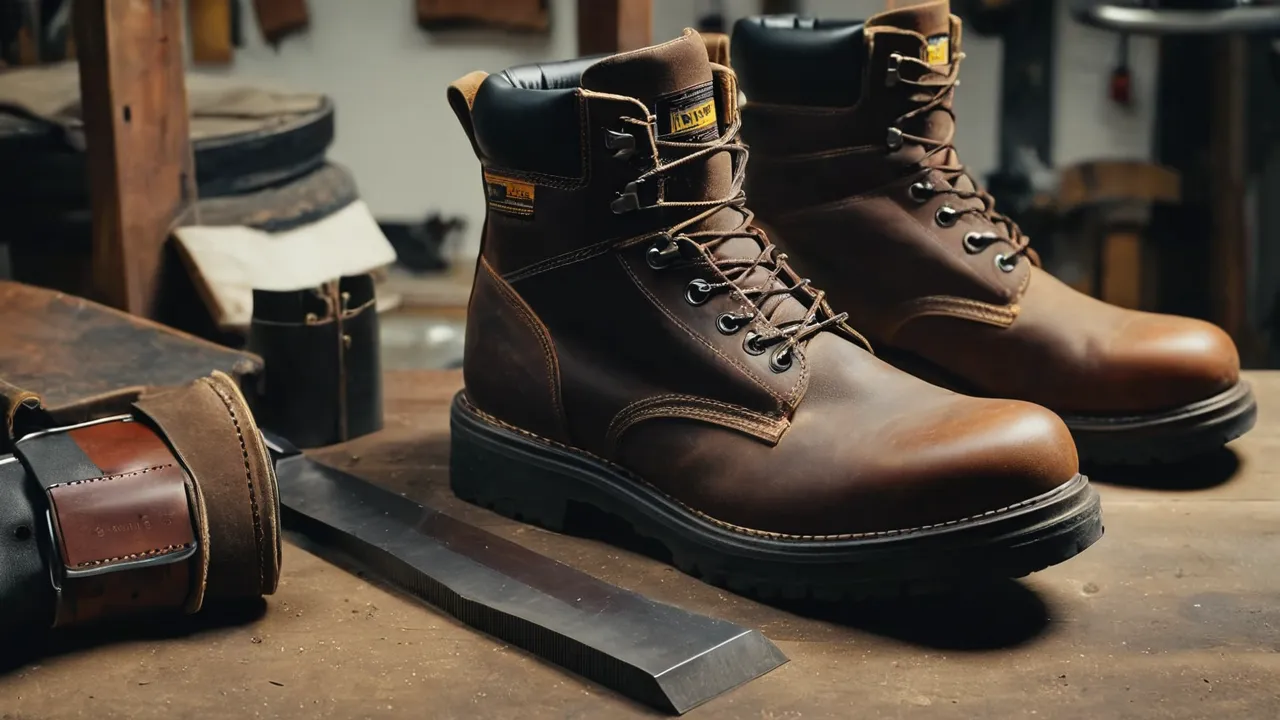
Leather vs synthetic work boots comes down to durability and repair against weight and cost. Leather boots generally last longer, breathe better and can be repaired and resoled. Synthetic or fabric boots are lighter, need less break-in and cost less up front, but tend to wear out sooner and are harder to repair. For a buy once approach, choose full grain leather in a repairable construction unless weight, heat or a very low budget points to synthetics.
What the materials are
Leather boots are made from animal hides, typically cowhide, tanned and finished in different ways. Full grain leather keeps the strongest outer layer of the hide and tends to be the most durable. Top grain and split leathers are sanded or split and often less durable. Synthetic boots use nylon, polyester, microfiber and coated fabrics, often combined with foam and plastic overlays. Many boots mix the two, with leather in high wear areas and fabric panels for breathability and weight.
Names can mislead. Genuine leather is a broad term that includes lower grades, and synthetic leather imitates the look of leather without the material. Read the product description for the grade and the construction, and ask the seller when it is unclear.
How leather grades differ
Full grain leather keeps the natural surface of the hide, with its tight fibers and imperfections. It is stiffer at first, ages with character and resists abrasion. Top grain leather has the surface lightly sanded, which gives a more uniform look and a softer feel but slightly less strength. Corrected grain and split leather are sanded, embossed or coated, and they wear less well. Bonded leather is made from scraps and glue and is not a good choice for work boots. When a listing says only leather, ask for the grade or look for the term full grain.
What synthetics do well
Modern synthetics can be strong, light and quick to dry. Ballistic nylon and microfiber panels resist abrasion, and molded overlays protect high wear areas. Many hiking style work boots combine leather and synthetics to cut weight. Synthetics hold color well and rarely need break-in, and they suit people who prefer to avoid animal products or conditioning routines. For some jobs, such as light warehouse work or hot climates, a synthetic or hybrid boot makes practical sense.
Breathability and comfort
Leather breathes, moves moisture and molds to the foot over time. After a break-in, many wearers find it comfortable across a range of temperatures. Synthetic fabrics are lighter and often need little break-in. Mesh panels can be very breathable, but coated synthetics may trap heat and sweat, especially when combined with a waterproof membrane.
Heavy leather can feel hot in warm weather. For hot jobs, ventilated or lighter weight leather and synthetic combinations can help, as long as the boot still offers the protection you need. See our guide to hot weather work boots for more.
Durability, failure and lifespan
Leather resists abrasion, cuts and heat better than most synthetics. It can crack if neglected, but regular conditioning keeps it supple. Many leather boots outlast their soles, which is why resoling is worth considering. Synthetics resist water absorption and do not need conditioning, but seams, overlays and coatings can wear through, delaminate or tear. Once a synthetic upper fails, it is often not repairable.
Leather fails slowly. It cracks along flex lines if it dries out, stiffens when wet and dried improperly, and eventually thins at the toe and heel. Many of these failures can be repaired or slowed by care. Synthetics fail in different ways. The coating can peel, seams can pull apart, mesh can tear and foam can collapse. These failures often show up suddenly and are hard to fix. Matching the failure mode to your care habits is a smart way to choose.
Lifespan depends on use, care and construction. A well maintained leather boot in a welted build can last through several soles. A synthetic boot with a cemented sole is often replaced when the sole or the upper gives out.
Repair, care and cost
- Leather: can be conditioned, patched, restitched and resoled by a cobbler.
- Synthetic: can be cleaned with mild soap, but panels and coatings are hard to repair.
- Leather needs regular conditioning and slow drying.
- Synthetic dries faster and needs less care.
- Both should be rotated and kept away from direct heat.
Care effort is a real cost. If you will not condition boots, a synthetic may last as long as a neglected leather boot, but a cared for leather boot beats both. Read our leather conditioner versus oil versus wax guide for care basics.
Synthetics win on weight, which matters for long walking days. They also dry faster and absorb less water than untreated leather, so they can suit wet conditions, particularly when combined with a membrane. Leather needs a treatment or membrane for waterproofing, and it dries slowly. Up front, synthetics usually cost less. Compare boots by how long they are likely to last in your use. A synthetic boot that lasts one hard season and a leather boot that lasts several seasons with a resole can come out close in cost, or the leather boot can win. If you will clean and condition, leather returns the effort with a longer life, and a boot a cobbler can fix is a boot you can keep.
Safety features across materials
Safety toes, puncture plates and electrical ratings can be built into either material. Some employers prefer leather around heat, sparks or molten metal, since many synthetics can melt. Check the site policy and the rating label. When a boot mixes materials, look at which parts are leather and which are synthetic, since the weak panel sets the limit.
Worked comparisons by job
A warehouse picker who walks on concrete in a heated building does not face sparks, deep mud or chemicals. A lighter synthetic or hybrid boot with a cushioned midsole and a safety toe, if required, can be comfortable and inexpensive, and replacing it every so often is part of the budget.
A framer or concrete finisher faces abrasion, moisture, nails and long hours. Full grain leather in a welted construction handles scuffs, accepts conditioning and can be resoled when the outsole wears out. The extra weight and break-in time are the price.
A landscaper in a hot climate wears boots in grass, dust and sun. A leather and mesh mix, or a lighter leather boot with vents, keeps heat down, as long as the site does not call for closed leather. Rotating two pairs matters as much as the material.
A welder or metalworker should look to leather by default, since sparks and hot metal can melt synthetic panels, and employer rules often specify it.
Questions to ask before you buy
- Which parts of the upper are leather, and which are synthetic?
- What is the leather grade?
- How is the sole attached, and can it be replaced?
- Does the maker publish care instructions for the material?
- What does the warranty cover, and does it exclude wear?
- Does the safety marking match your job’s requirement?
Answers tell you how long the boot is likely to last and how much you can do to extend its life. If a listing cannot answer these, treat that as a signal and keep the return window in mind while you wear the boots indoors for a day.
Decision rules by buyer
- Heavy trades, rough use, long term ownership: full grain leather in a welted build.
- Hot weather, long walking, light duty: synthetic or mixed construction.
- Wet, muddy work with little care time: leather with a sealed membrane, or rubber boots.
- Tight budget, short term use: synthetic is a reasonable choice.
- Sensitivity to break-in: synthetic or soft leather.
- Safety rating needed: check the label, since both materials come in rated models.
See the clothing and footwear section and how we review for how we weigh these trade-offs.
Frequently Asked Questions
Are leather work boots better than synthetic?
For durability and repair, usually yes. Leather resists abrasion, can be conditioned and resoled, and often outlasts its sole. Synthetic boots are lighter, cheaper and need less break-in, which suits hot, light duty or short term use. Choose by your job, care habits and budget, and remember that construction matters as much as material.
Do synthetic work boots last as long as leather?
Often not. Seams, overlays and coatings can wear through, peel or tear, and a failed synthetic upper is hard to repair. A well maintained welted leather boot can last through several soles. Lifespan still depends on use, construction and how often you care for the boots.
Are leather boots too hot for summer?
Heavy leather can run hot. Lighter weight or ventilated leather, or a leather and synthetic mix, helps. Wicking socks and rotating two pairs also help. Always check that a vented boot still meets the protection your job requires, since vents can let in dust, water and sparks.
Can synthetic work boots be resoled?
Sometimes, if they have a stitched or welted construction, but many have cemented soles and fixed uppers that cobblers cannot rebuild. Ask a cobbler before you count on a resole, and check how the sole is attached before you buy. A stitched sole is a good sign.
Final Thoughts
For a buy once site, leather in a repairable construction is the default recommendation. Choose synthetics when weight, heat or budget matter most and accept a shorter life. In either case, check the construction, confirm the markings you need and plan to care for the boots, since care decides how long any material lasts.
Related buying guides
- Made in USA Work Boots: What the Label Really Means
- Metatarsal Guard Boots: Internal vs External Guards
- Puncture Resistant Soles: Steel Shank vs Plate vs Kevlar
About the author

The BuyOnceChoice Editorial Team researches durable products worth buying once. Our guides compare published specifications, warranty terms, expert review consensus, and verified owner feedback. We do not conduct our own product trials. See How We Review and our Editorial Policy for our standards.