Metatarsal Guard Boots: Internal vs External Guards
A metatarsal guard shields the top of the foot from impact, but it adds weight and stiffness. See how internal and external guards differ and who needs one.
 By BuyOnceChoice Editorial Team
Updated November 16, 2026
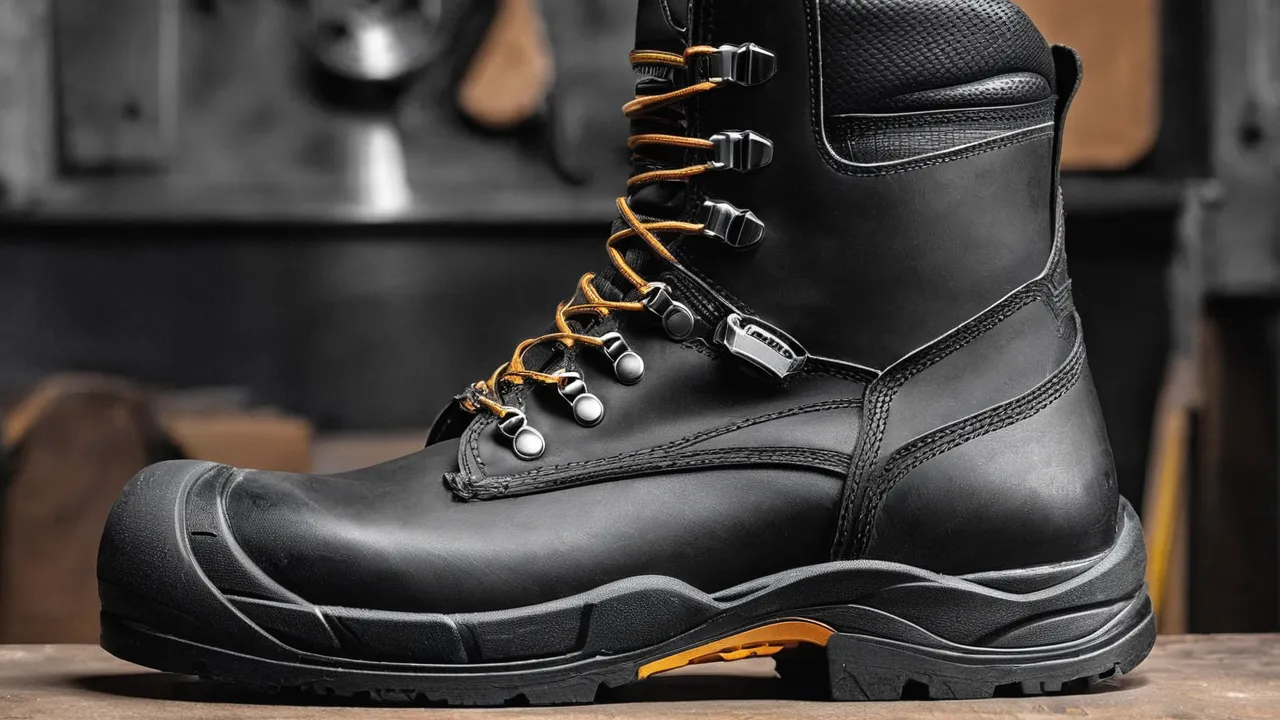
Metatarsal guard boots explained: a metatarsal guard protects the top of the foot, the long bones behind the toes, from impact, and boots that include one carry an Mt marking on the safety label. Internal guards are built into the boot, while external guards strap or bolt onto the outside and can be added or removed. Most workers do not need one, but if heavy objects can fall or roll across the instep, as in foundry, forging, demolition or pipe handling, it is worth considering.
What the metatarsals are and why they need separate protection
The metatarsals are the five long bones in the middle of the foot, running from the arch to the base of the toes. A safety toe cap covers only the toes. A falling object that lands behind the cap strikes the metatarsals directly, and the boot upper alone offers limited protection against a heavy impact. That gap is what a metatarsal guard fills.
A guard is a rigid or semi rigid shield over the instep, usually made from reinforced composites, aluminum or specialized synthetic material, depending on the design. It spreads the force of an impact across a wider area. The guard works with the toe cap, not as a replacement for it, so metatarsal boots almost always also carry a rated safety toe.
How the rating appears on the boot
In the United States, protective footwear that meets ASTM F2413 carries a marking that lists the protection categories. A boot that includes an integral metatarsal guard has an Mt designation in that marking. If the guard is an add-on, the boot does not carry the Mt marking by itself, and the combination of boot and guard needs to be approved by the maker for that purpose.
This difference matters at your workplace. If your employer requires Mt rated footwear, a boot with a clip on guard may or may not meet the requirement, depending on how the manufacturer markets it. Ask your safety officer, and read the label inside the boot, not just the product page. Marking formats have changed between editions of the standard, so ask which edition your site accepts.
Internal versus external guards
| Feature | Internal guard | External guard |
|---|---|---|
| Location | Built into the boot | Attached to the outside |
| Marking | Mt on the boot label | Depends on the maker’s approval |
| Weight | Added to every pair | Only when worn |
| Flexibility | Stiffer instep, less flex | Can be removed for non hazard tasks |
| Repair | Cannot be replaced separately | Guard can be replaced |
| Fit | Takes up instep volume | Often adds bulk and catch points |
Internal guards are usually more comfortable than they look because they are shaped to the boot. They are also harder to size, since the instep volume is reduced. External guards add flexibility in use. They can be worn only when the hazard is present and removed for other tasks, but they can snag on equipment and the straps can wear out.
Alternatives and add ons
If your hazard is occasional, an external guard that clips or straps over a standard rated boot can be a practical solution, so long as the combination is approved by the maker for that purpose. If your hazard is constant, an integral guard keeps the protection from being forgotten or misplaced. Some workplaces also use leggings or other protective gear for specific tasks such as chainsaw work, which is a separate category from metatarsal footwear.
Avoid improvised protection. Taping a plate onto the top of a regular boot or using a guard from another brand may not protect as expected, and it can change how the boot sits on the foot. Choose a system designed to work together.
Choosing between the two types
Start with how often the hazard appears. A crew that handles heavy pipe or castings every shift benefits from an integral guard, since nothing has to be put on, nothing can be left in the truck, and the label shows the marking. A maintenance worker who faces the hazard on some jobs and spends the rest of the day walking and climbing may prefer an external guard that comes off for the easy tasks, provided the maker approves the pairing and the employer accepts it.
Next consider fit. If your instep is high, try integral guard boots from several makers before settling on an external guard, since the external option adds bulk over the laces and can press on the same area. Finally consider upkeep. An external guard that gets dented can be replaced without buying new boots, while an integral guard means replacing the boot after a heavy impact.
Whichever type you choose, write down the model, the marking on the tag and the date you received the boots, and keep that note with your work records.
The weight and flex penalty
Adding a metatarsal guard increases the weight of the boot and reduces the flexibility across the top of the foot. Wearers who move through a full shift on foot, walking long distances, climbing ladders or working in tight spaces often notice the difference. A stiff guard can also push on the top of the ankle when you crouch or kneel, and the added height at the front of the boot can restrict ankle motion.
If you are comparing boots with and without a guard, check the listed weight by size and look for any articulated or flexible guard design. Some designs use segmented panels that bend with the foot, which reduces stiffness, and you should check the label for how much of the instep they cover.
Fit and comfort with a guard
Because an internal guard sits over the instep, it takes volume out of the boot. People with high insteps often find metatarsal boots snug across the top of the foot, and lacing too tightly can create pressure on the nerves and tendons there. Try lacing with a gap over the highest point of the instep, or use a window lacing pattern, and try more than one brand, since instep volume differs between lasts.
Boots with a guard are also taller at the front, which can change how the tongue sits. A thick, stiff tongue can dig into the shin when you crouch. Look for a padded or gusseted tongue and check the flex at the ankle when you squat. If you kneel a lot, a guard that interferes with your motion will make you want to take the boots off, which defeats the purpose.
Which jobs actually need one
- Foundry, forging and metal casting, where heavy parts and molten metal splash hazards exist.
- Demolition and heavy equipment handling, where large objects can fall or roll across the foot.
- Pipe fitting and heavy material handling, where long, heavy pieces are moved by hand.
- Tree work and logging, where cut sections may drop.
- Some manufacturing and scrap yard tasks, according to the site hazard review.
Many warehouse, delivery and construction trades do not need metatarsal protection. The hazard review for your site decides this, and your employer or safety officer can tell you which standard applies. This is general information, not occupational advice. For the toe cap, see our work boots guides.
Questions to ask the maker
- Is the guard integral to the boot, and does the label carry an Mt marking?
- What is the weight of the pair in my size?
- Is the guard rigid or segmented, and how does it flex when I walk or crouch?
- Can the boot be resoled, and does a resole affect the marking?
- What do the manual and care instructions say about inspection after an impact?
The answers matter because manufacturers handle this protection differently. Two boots with a metatarsal guard can differ in how much of the instep they cover, how the guard is anchored and how the boot behaves in daily use.
Safety and care notes
Protective footwear only protects if it is in good shape. Follow the manufacturer’s manual, check the guard for cracks or dents after any heavy impact, and replace a boot that has taken a direct hit even if it looks fine. Do not drill, cut or modify a guard. Ask the maker before changing insoles or sending the boot for a repair that could affect the protection. Our clothing and footwear section covers related fit and care guides, and how we review describes our standards.
Frequently Asked Questions
What does Mt mean on a safety boot?
Mt is the marking for metatarsal protection, meaning the boot includes a guard over the instep designed to resist impact. It appears with the toe and hazard codes on the tag inside the boot. Confirm the exact code and edition with your employer’s safety officer.
Do I need metatarsal boots for construction work?
Often not. Most construction tasks call for a rated safety toe, and some call for puncture protection. Metatarsal protection is more typical in foundry, demolition, pipe handling and similar work. Your site hazard review decides, so ask your employer or safety officer.
Are external metatarsal guards as safe as internal ones?
It depends on the maker’s approval. An integral guard carries the Mt marking on the boot, while an add on guard may or may not be approved for use with a given boot. Check the manufacturer’s documentation and your employer’s requirement before relying on an add on.
Are metatarsal boots heavy and stiff?
Usually heavier and stiffer than boots without a guard, since the guard adds material across the instep and reduces flex. Check the listed weight in your size, look for segmented or flexible designs, and try the boots with your usual socks before committing.
Final Thoughts
Choose a metatarsal guard only when your hazard review says the instep is at risk. Choose an internal guard for all day wear and a reliable Mt marking, or an external guard when you need flexibility between hazardous and non hazardous tasks. Expect added weight and a stiffer instep either way, and size the boot with the guard in place, using your normal work socks.
Related buying guides
- Puncture Resistant Soles: Steel Shank vs Plate vs Kevlar
- Rubber Boots vs Leather Work Boots for Wet Jobs
- Safety Toe vs Soft Toe Boots: When Each One Is Enough
About the author

The BuyOnceChoice Editorial Team researches durable products worth buying once. Our guides compare published specifications, warranty terms, expert review consensus, and verified owner feedback. We do not conduct our own product trials. See How We Review and our Editorial Policy for our standards.