Inverter vs Standard Air Conditioners: Is It Worth It
Inverter vs non inverter air conditioner explained with a simple payback calculation, noise and comfort effects, and who should skip the premium.
 By BuyOnceChoice Editorial Team
Updated November 16, 2026
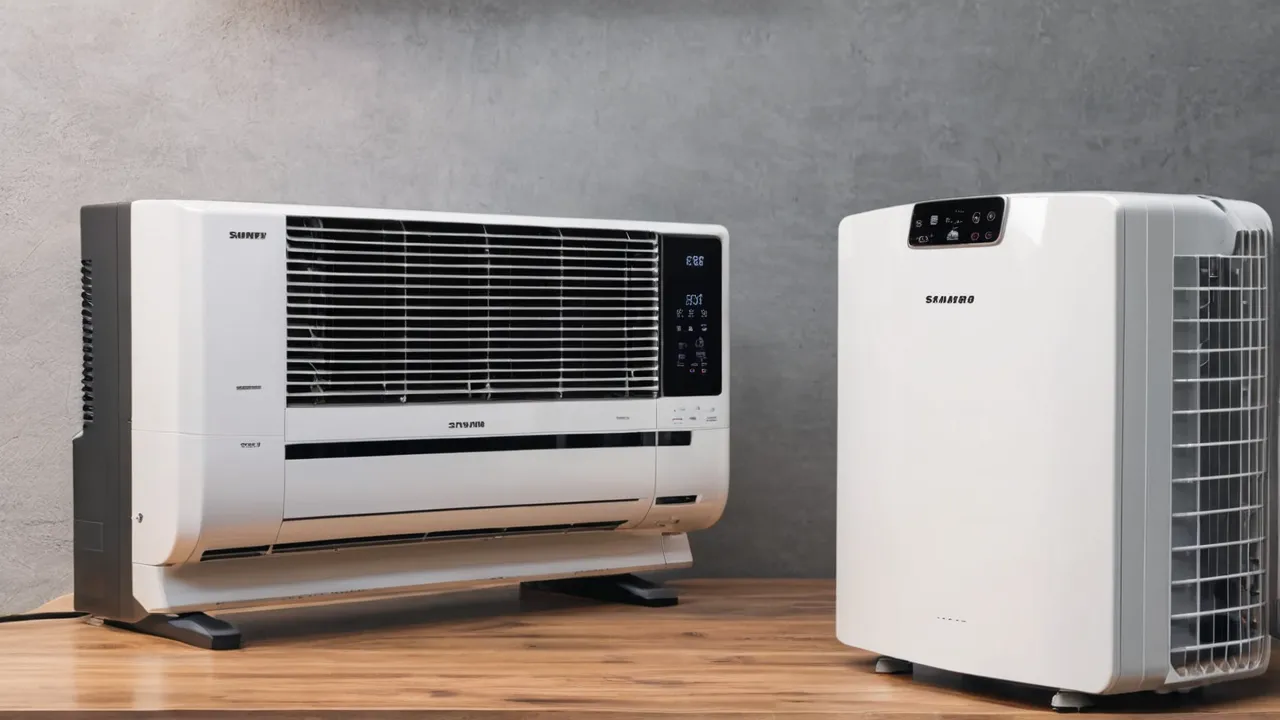
An inverter vs non inverter air conditioner differs in how the compressor runs. A standard unit switches fully on and off to hold temperature. An inverter varies compressor speed, so it runs gently for long stretches, holds temperature closer to the setting, and often uses less electricity. The extra price pays back only if you run the unit many hours each season.
How Each Type Controls Temperature
A standard, fixed-speed compressor is either at full power or off. When the room warms above the setting, it starts and runs hard until the thermostat is satisfied, then stops. This cycle repeats. Each start draws a surge of current, and the room temperature swings a little above and below the setting.
An inverter unit uses electronics to change the frequency of power to the compressor motor, which changes its speed. When the room is far from the setpoint, it runs fast. As the room approaches the target, it slows down and stays on at a low output to maintain temperature. It rarely shuts off completely during normal operation, so you avoid repeated starts and the temperature stays steadier.
Most inverter designs are found in ductless mini splits and in a growing share of window and portable units. Some window models market an inverter feature, and the benefits depend on design quality.
What You Gain
Lower electricity use at partial load
Most hours of cooling are at partial load, since the peak hot afternoon is only a small portion of the season. An inverter spends those hours running at reduced speed, which is more efficient than starting and stopping a full-speed compressor. The efficiency gain depends on the model and climate, so check manufacturer-stated seasonal efficiency figures rather than assuming a fixed saving.
Quieter operation
Low-speed running is quieter than the cycle of a full-speed compressor starting up. Many owners notice the difference in bedrooms, where the loudest moment of a standard unit is the start. An inverter may still have a fan sound, but it is steady and easy to ignore.
Steadier comfort and humidity control
Because the unit keeps running at low output, it removes moisture continuously, which helps comfort in humid climates. A standard unit that cools quickly and shuts off may leave the air cool but clammy.
Potential longevity benefits
When you read a listing, confirm the inverter claim rather than trusting a badge. The specification should say variable speed or inverter compressor, and it should state an efficiency rating you can compare. Window and portable units are usually rated with a combined energy efficiency ratio, while mini splits use seasonal ratings, so compare like with like. If the page offers only the word inverter and no rating, ask the seller or read the manual before paying a premium.
Fewer hard starts reduce stress on the compressor and the electrical components. Many technicians cite this, but no manufacturer can promise a specific lifespan, and inverter boards add electronic parts that can fail. Treat longevity as a possible advantage, not a guarantee, and check the warranty terms for the compressor and the electronic board separately.
A Payback Framework You Can Follow
Skip any claim of fixed savings and use your own numbers.
- Step 1: Find the price difference between a standard unit and an inverter unit with the same cooling capacity in BTU.
- Step 2: Find each unit’s stated seasonal efficiency rating, and the power draw at typical operating conditions if given.
- Step 3: Estimate the hours you will run the unit each season. A bedroom unit used nights for a few months is very different from a living room unit used all day.
- Step 4: Estimate yearly electricity use for each unit as watts divided by 1000, times hours, times your utility rate per kilowatt-hour. Subtract to find the yearly savings.
- Step 5: Divide the price difference by the yearly savings. The result is the payback time in years.
If the payback is longer than you expect to own the unit or live in the home, the premium is a comfort purchase and not an investment. If you run the unit most of the year, such as in a hot climate or a heat pump that also heats, payback often looks better.
Here is the arithmetic with illustrative numbers. Suppose a standard unit averages 900 watts while running and an inverter unit averages 600 watts, and you run each for 600 hours a season. The standard unit uses 900 divided by 1000, times 600, or 540 kilowatt-hours. The inverter uses 360. The 180 kilowatt-hour difference, multiplied by your own rate per kilowatt-hour, is your yearly saving. Replace the watts with each model stated figures, and the hours with your own estimate.
Where Inverters Make the Most Sense
An inverter model suits long run times, large rooms, hot climates, and rooms where noise matters. It suits households that want steady temperatures, such as nurseries or home offices. It suits heat pump users, since a heat pump may run most of the year. It can also help when circuit capacity is limited, because soft starts avoid the large surge of a standard compressor. See our air conditioner guides for capacity and efficiency basics.
Where a Standard Unit Is Fine
A standard model is fine for short seasons, small rooms, rental units, and spare rooms used occasionally. It costs less, parts and repair are widely available, and the simpler electronics have fewer failure points. If you plan to run the unit a few weeks each summer, the premium for an inverter is unlikely to pay back through energy savings alone. Moving the unit between homes or storing it for the off-season also favors a simpler, cheaper design.
Capacity still matters more than the compressor type. An oversized inverter unit can still run in short bursts and lose much of its advantage, and an undersized one runs flat out. Size by room area, sun exposure and ceiling height first, using the manual capacity guidance, then decide between the two compressor types. Also read the manual for the minimum and maximum outdoor temperatures at which the unit is designed to operate, since that range matters in very hot or cold climates.
Repair, Parts, and Warranty Points
Inverter systems rely on a control board and a drive circuit. If a board fails out of warranty, repair can be expensive, and parts may be proprietary. Ask about the warranty on the compressor and the electronics, and whether local service is available. A standard unit has simpler parts, though a compressor failure is costly in either design. For general upkeep, clean filters and coils regularly.
Electrical Safety
Air conditioners draw significant current. Confirm the circuit and outlet rating before use, follow the manual for the correct breaker and plug type, and avoid extension cords. Soft-start inverters reduce surge, but they still need a properly rated circuit. A licensed electrician should handle any new circuit or outlet.
Decision Rules
- Run the unit most of the season, or in a hot, humid region: choose inverter.
- Light sleeper in a bedroom: inverter, for the steady low sound.
- Occasional guest room or short season: standard.
- Tight budget with moderate use: standard now, and put the savings into insulation and shade.
- Limited electrical capacity: look at inverter or soft-start models.
- Renter who may move: standard, since you can take it with you without worrying about electronics.
See also the home appliances hub for related guides.
Surge protection is worth a thought for any control-board appliance. A protector rated for the appliance, or a whole-home protector, is sensible. Ask an electrician about protection if your area has frequent surges, and see the How We Review page for how we weigh reliability claims.
Frequently Asked Questions
Does an inverter air conditioner cool faster?
At the start, an inverter runs at high speed and can pull a hot room down quickly, sometimes faster than a standard unit of the same capacity. After that it settles into low output. The advantage is control and steadier comfort rather than raw speed, so judge it by how steady the room feels.
Will an inverter air conditioner lower my bill by a fixed amount?
No honest figure applies to every home. Savings depend on climate, insulation, run hours and the specific model. Use the payback steps above with the manufacturer stated efficiency and your own electricity rate, and treat any promised saving that ignores run hours with caution.
Is an inverter air conditioner always quieter?
Usually at low speed, because it avoids the loud start of a full-speed compressor. The fan and the outdoor unit, or the rear of a window unit, still make noise. Compare the stated dBA for the models you are considering, and read owner feedback for any coil whine or fan complaints.
Is an inverter unit worth it for a rarely used room?
Usually not. With a short season or a few hours of use, the energy savings are unlikely to repay the higher purchase price, and a standard unit has simpler electronics and widely available parts. An inverter makes more sense for long run hours, hot climates and bedrooms where steady low sound matters.
Final Thoughts: Pay for Run Hours, Not for the Label
Inverters deliver steadier comfort and lower power use at partial load. Whether they pay back depends on your run hours and electric rate. Use the five-step framework, compare warranties for the electronics, and choose the standard model when use is light.
Related buying guides
- Mini Split vs Window Air Conditioner: Cost and Comfort
- Single Hose vs Dual Hose Portable Air Conditioners
- What Size Air Conditioner Do You Need: BTU Guide
About the author

The BuyOnceChoice Editorial Team researches durable products worth buying once. Our guides compare published specifications, warranty terms, expert review consensus, and verified owner feedback. We do not conduct our own product trials. See How We Review and our Editorial Policy for our standards.