How to Clean and Maintain Range Hood Filters
How to clean range hood filter types, from baffle to mesh to charcoal, with a schedule, degreasing steps, and grease fire safety notes.
 By BuyOnceChoice Editorial Team
Updated November 16, 2026
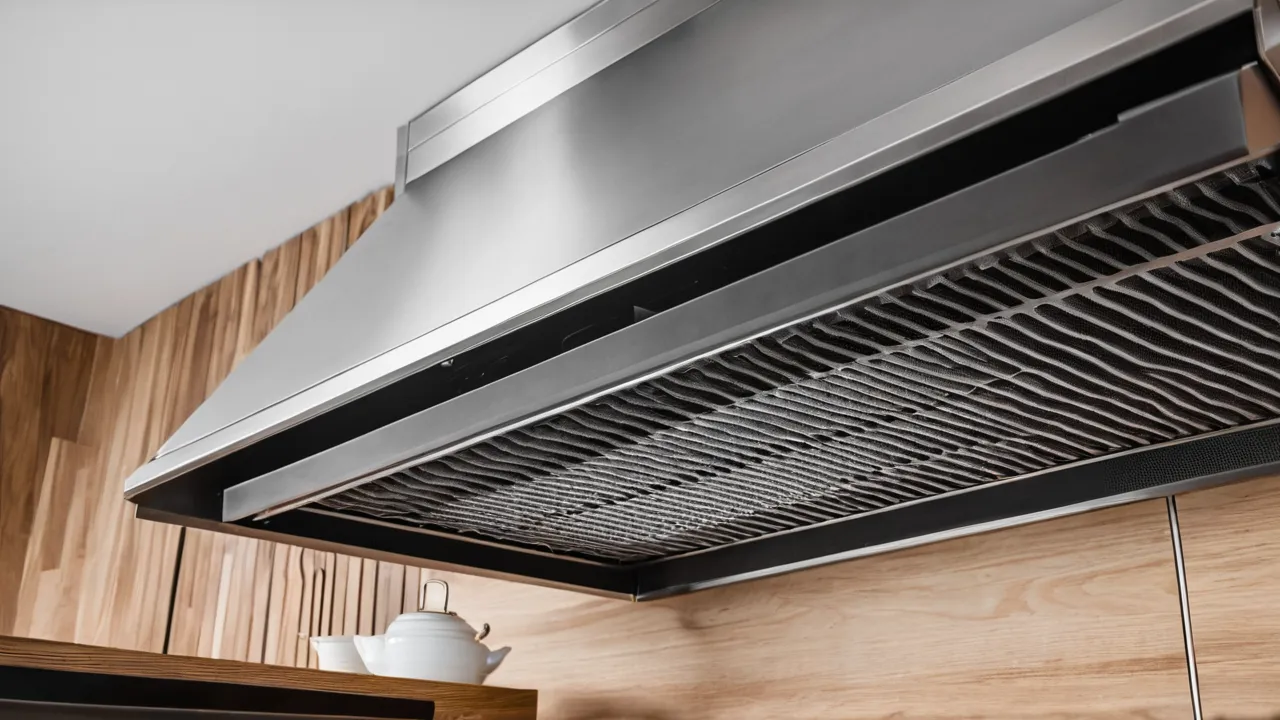
To clean a range hood filter, turn off the hood and let it cool, remove the filter, soak it in hot water with dish soap and a degreaser, scrub gently, rinse, and dry fully before reinstalling. Baffle filters are often dishwasher safe, mesh filters need soaking, and charcoal filters are replaced, not washed. Do it every one to three months.
Safety: Grease Is a Fire Hazard
Grease that builds on hood filters and in ducts can ignite from a flare-up on the cooktop. Clean filters on a schedule, and never leave a very greasy filter in place. Turn off the hood and the cooktop and let everything cool before you start. Use gloves, since the grease and the filter edges can be sharp. If grease has built up in the duct, have a professional clean it, and never pour water on a grease fire. Follow the manual for your model, and local code for any ducted installation.
Know Your Filter Type
Baffle filters
Baffle filters are made of overlapping metal channels, usually stainless steel or aluminum, that force air to change direction so grease drops out. They are common on higher-end hoods and are easier to clean, since grease runs off and does not clog fine holes. Many are dishwasher safe, though aluminum can discolor, so check the manual.
Mesh filters
Mesh filters are made of multiple layers of metal screen, usually aluminum or stainless steel, in a frame. They trap grease within the layers, so they clog faster and need more frequent cleaning. They are common on budget and under-cabinet hoods. Soaking in hot soapy water is the standard method, and some are dishwasher safe, while others may be damaged.
Charcoal or carbon filters
Recirculating hoods use charcoal filters to absorb odors after the metal filter catches grease. Charcoal filters cannot be washed, because water ruins the carbon. They must be replaced on the maker’s schedule, often every several months to a year, depending on use.
What You Need
- Hot water and a large sink or tub.
- Dish soap with a grease-cutting formula.
- Baking soda or a degreaser safe for aluminum or stainless, if the manual allows.
- A soft brush or an old toothbrush.
- A microfiber cloth.
- Gloves.
- Towels to dry the filters.
Step-by-Step Cleaning
1. Remove the filters
With the hood off and cool, slide or unlatch the filters. They often release with a spring clip or a pull tab. Hold them level, since grease can drip. Place them on a towel or in the sink.
2. Soak
Fill the sink with very hot water, add a generous squirt of dish soap, and, if you like, a few tablespoons of baking soda. Submerge the filters and let them soak for ten to fifteen minutes. A soak softens grease so you do not have to scrub hard. Aluminum filters can darken with strong alkaline cleaners, and baking soda may do this in strong concentrations, so check the manual and consider using only soap for aluminum.
3. Scrub gently
Use a soft brush along the channels or the mesh. Work in the direction of the baffles or the weave. Avoid steel wool, which scratches and can leave residue.
4. Rinse thoroughly
Rinse with hot running water until all soap and grease are gone. Residue left behind attracts new grease.
5. Dry fully
Shake off water and let the filters air dry on a rack or towel. Drying is important, since wet filters can rust or smell. Reinstall only when dry.
Dishwasher option
For dishwasher-safe baffle filters, place them on the rack, run a hot cycle, and check the result. Avoid mixing with heavily greasy pots in the same load, since grease may redeposit. Wipe the filter with a cloth if any film remains.
Cleaning the Hood Itself
While the filters are out, wipe the underside of the hood, the lights, the fan housing you can reach, and the grease cup or tray if there is one. Use warm soapy water and a soft cloth. Do not spray cleaner into the motor or the controls. If the underside is heavily coated, use a degreaser meant for kitchen surfaces and follow the label. For stainless steel, wipe with the grain, and use a stainless cleaner if desired.
How Often to Clean and Build a Routine
| Cooking style | Filter cleaning |
|---|---|
| — | — |
| Light cooking, few fried foods | Every 2 to 3 months |
| Regular home cooking | Monthly to every 2 months |
| Frequent frying, wok, or searing | Every 2 to 4 weeks |
| Charcoal filters | Replace per maker’s schedule |
If the filter shows visible grease, or the hood smells, clean it sooner. A clogged filter reduces airflow and raises noise, and may let grease reach the blower.
A recirculating hood adds one more routine: replace the charcoal filter on the maker schedule, and wash the metal grease filter in front of it on the intervals above. If you notice cooking smells lingering, the charcoal filter is the first suspect, since it cannot be cleaned and only slows down as it fills with grease and odor.
Common Mistakes
- Using harsh chemicals on aluminum, which discolors it.
- Skipping the drying step.
- Washing charcoal filters.
- Letting grease build until it drips.
- Forgetting the grease cup or channel.
- Running the hood with the filter removed, which lets grease into the blower.
For more on hood types, see our range hood guides and the home appliances hub. The How We Review page explains how we think about upkeep claims.
Cleaning the Duct and Exterior Cap
Filters are only the first line. Grease that passes the filters can coat the blower and the duct, so glance at them occasionally. With the filters out and the power off, shine a flashlight into the hood and look at the blower housing. A light film is normal, and a thick, sticky layer means you need a professional cleaning. A professional can clean ducts and blowers with proper tools and degreasers and can check that the exterior damper opens and closes freely.
Check the exterior cap or vent on the outside wall or roof. Leaves, nests, and grease can block it. A stuck damper reduces airflow and lets cold air or pests in. Clear it carefully, using a ladder safely, or ask a professional. If you notice smoke or a burning smell when you use the hood, stop, switch it off, and have it inspected.
Tips for Stubborn Grease
For baked-on grease, soak the filter longer in very hot water with degreaser, and scrub gently with a soft brush. Repeat the soak if needed. A paste of baking soda and water can help on stainless steel, if the manual allows it. Avoid abrasive pads that scratch and make the surface hold grease. For aluminum mesh filters, avoid strong alkaline cleaners and long soaks in harsh solutions. If a filter is damaged or too gummy to clean, replace it. Replacement filters are available for most models, and it is worth keeping a spare set so that you can swap clean filters in while you wash the others.
Building a Routine
Tie filter cleaning to a date you will remember, such as the first weekend of each month, or every time you change the smoke alarm batteries. Put a reminder in your phone. Clean filters sooner after holiday cooking or a period of heavy frying. If you have a washing routine for the dishwasher filter, add the hood filters to the same day, so that the kitchen gets a short maintenance session.
Keep the manual or a photo of the model number, so you can order the right filter. Write the cleaning date on a small label inside the cabinet near the hood, which helps if more than one person shares the kitchen.
Decision Rules
- Baffle filters with heavy use: dishwasher if allowed, otherwise soak monthly.
- Mesh filters: soak every month or two, and replace if damaged.
- Recirculating hood: plan to replace charcoal filters regularly.
- Heavy grease in the duct: call a professional duct cleaner.
- Sticky, smelly hood: clean the filters and the hood underside.
When you finish, run the hood for a minute and listen. A smooth, steady sound and a good draw of smoke or steam from a lit stove burner or a boiling pot mean the filters are seated and the airflow is good. A rattle usually means a filter that is not latched, so check the clips before you assume anything is wrong.
Frequently Asked Questions
How often should I clean range hood filters?
Every one to three months for most kitchens: every two to three months with light cooking, monthly to every two months with regular cooking, and every two to four weeks with frequent frying or searing. Clean sooner if you see visible grease or notice a smell. Charcoal filters are replaced on the maker schedule.
Can I put range hood filters in the dishwasher?
Many baffle filters are dishwasher safe, and some mesh filters are too, but aluminum can discolor and some mesh filters may be damaged. Check the manual first. Run a hot cycle, avoid heavily greasy pots in the same load and wipe off any film that remains.
What is the best way to remove baked-on grease from a hood filter?
Soak the filter longer in very hot water with dish soap and a degreaser the manual allows, then scrub gently with a soft brush and repeat if needed. Avoid steel wool and abrasive pads. For aluminum mesh, avoid strong alkaline cleaners and long soaks. Replace a filter that is damaged or too gummy to clean.
Can I wash a charcoal range hood filter?
No. Water ruins the carbon, so charcoal filters cannot be washed and must be replaced on the maker schedule, often every several months to a year depending on use. Keep a spare set so that you can swap fresh filters in while you wash the metal grease filters.
Final Thoughts: Soak, Rinse, Dry, Repeat
Clean filters keep airflow strong and reduce fire risk. Match the method to the filter type, avoid washing charcoal, dry fully, and clean on a schedule that matches how you cook.
Related buying guides
- Range Hood CFM Guide: How Much Airflow You Need
- Range Hood Noise Sones: What Rating to Look For
- Wall Mount vs Under Cabinet vs Island Range Hoods
About the author

The BuyOnceChoice Editorial Team researches durable products worth buying once. Our guides compare published specifications, warranty terms, expert review consensus, and verified owner feedback. We do not conduct our own product trials. See How We Review and our Editorial Policy for our standards.