Gas vs Induction: Range Hood Airflow Needs
Size a range hood for gas vs induction with simple airflow math, plus the makeup air, duct, and capture-area checks that decide real performance.
 By BuyOnceChoice Editorial Team
Updated November 16, 2026
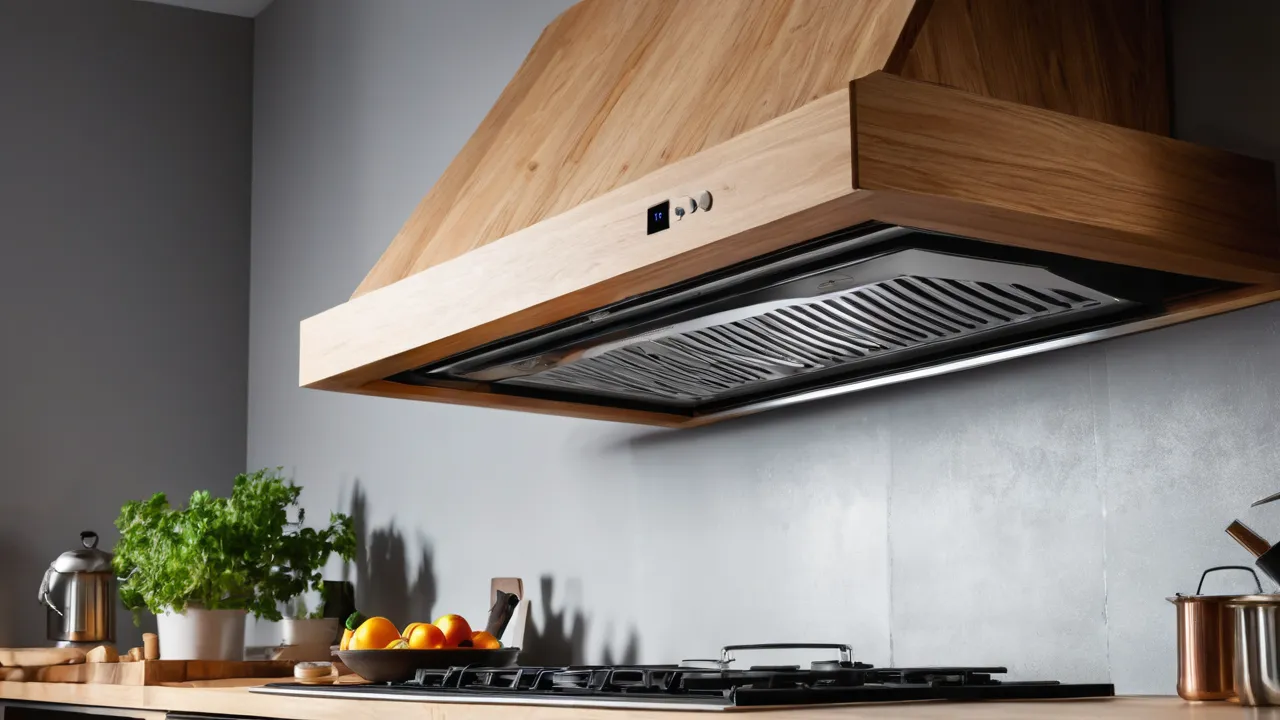
A range hood for gas vs induction is sized differently: gas cooktops add heat, combustion byproducts, and high BTU output, so they usually need more airflow, while induction creates less ambient heat and often does well with a lower CFM. A commonly cited rule of thumb for gas is 100 CFM per 10,000 BTU of total burner output, though sizing guides vary and the hood maker’s guidance comes first. For induction, width-based sizing and good capture area matter more.
Why Gas and Induction Need Different Airflow
A gas burner produces heat, moisture, and combustion gases on top of cooking fumes. A hot plume rises quickly and spreads, so the hood has to pull a lot of air to catch it before it escapes. Induction heats the pan directly, so far less waste heat rises off the cooktop. The plume is cooler and slower, and a smaller airflow can capture the same grease and steam.
That does not mean induction owners can ignore the hood. Frying, searing, and boiling still release grease aerosols and moisture. The difference is that induction owners are sizing for cooking fumes, while gas owners are sizing for cooking fumes plus heat and combustion. Our home appliance guides cover the wider kitchen picture. Manufacturers such as Hauslane publish guidance noting the same split, and the framework below turns it into numbers you can check.
The Numbers Framework
Use two calculations and take the larger result.
Method 1: Burner output (best for gas)
Add up the maximum BTU rating of all burners, divide by 100, and you get a baseline CFM. A cooktop with 60,000 BTU in total would land near 600 CFM by the common 100 CFM per 10,000 BTU rule. This is a rule of thumb used by many installers and manufacturers, not a code requirement, so treat it as a starting target.
Method 2: Width of the cooktop (good for induction and electric)
A simple approach is 100 CFM for every 10 inches of cooktop width, so a 30 inch induction cooktop lands near 300 CFM, and a 36 inch cooktop near 360 CFM. Many cooks pick a bit above that to leave room for heavy frying.
Some sources use 100 CFM per linear foot of cooktop width instead, which gives a slightly lower figure, such as about 250 CFM for a 30 inch cooktop. The two rules differ because they are rules of thumb, not standards. If your hood manual or installer states a recommended range, follow that, and treat these methods as a way to sanity check a listing rather than to override it.
Adjust for how you cook
- Frequent wok cooking, searing, or deep frying: go to the upper end of the range.
- Mostly simmering and light sautéing: the lower end is enough.
- Island placement: add airflow because crosswinds and the open space reduce capture.
- Long or restricted duct run: add airflow or choose a stronger blower, since elbows and length reduce delivered CFM.
Capture Area Beats Raw CFM
A hood moves more air when it sits at the right height and is wide enough to cover the cooking zone. Many pros suggest a hood at least as wide as the cooktop, and wider when you can. Mount height is set by the manufacturer, and for gas it is often a bit higher than for electric. Check the installation manual rather than guessing, since a hood mounted too high loses capture and too low can be a hazard on gas.
Depth matters too. A shallow hood may miss the back burners, so look at the stated depth and compare it to the rear burner position. Baffle filters on a deeper canopy generally capture grease more effectively than a flat, shallow mesh slab.
A short spec sheet checklist helps when you compare models. Look for the CFM at each speed, the sones at each speed, the duct diameter, the canopy width and depth, and the mounting height range. A listing that gives a single peak CFM and no sones or duct size is missing the numbers you need to judge it.
Duct, Makeup Air, and Real-World Airflow
Rated CFM is measured under ideal conditions. Delivered airflow drops with every elbow, length of duct, and wall cap. Aim for the duct diameter the manufacturer states, and keep runs short and straight. A hood fed through a smaller duct than specified is a classic cause of weak performance and extra noise.
Strong hoods also need replacement air. Many local codes require a makeup air provision when exhaust capacity goes above a stated threshold, commonly cited around 400 CFM, so a big gas hood may need a makeup air damper. Some codes tie the requirement to homes with fuel-burning appliances, so confirm with your local building department. Rules vary by jurisdiction, so ask your building department or a licensed installer rather than relying on a general statement.
Worked Examples
A homeowner with a five-burner gas range lists the burner ratings from the manual: one large power burner, two mid burners, a small simmer burner, and a center oval. Adding the maximum figures gives a total near 60,000 BTU. Dividing by 100 gives roughly 600 CFM as the baseline. That number is above many codes’ makeup air triggers, so the buyer plans a damper and chooses a hood at least as wide as the range.
A second buyer is installing a 36 inch induction cooktop in an island. Width-based sizing suggests about 360 CFM. Because the island is open to crosswinds and the cook likes to sear steaks, the buyer moves up a notch, picks an island-rated canopy that is wider than the cooktop, and chooses a model with a quiet blower so the high speed is tolerable.
The lesson is that the same cooktop width can call for very different hoods depending on fuel, placement, and cooking habits.
Noise and Blower Quality
A hood sized for gas can be loud at full speed. Look for the sones figure on the spec sheet, check whether the blower is internal, inline, or remote, and remember that a remote or inline blower moves the motor noise away from the kitchen. If your plan needs high CFM, a quieter blower design often matters more than the last increment of airflow. Mounting style also changes how much blower noise reaches you, so compare layouts before you choose.
Safety: Gas, Electricity, and 240V
Gas appliances and 240V circuits involve code requirements and real hazards. Follow local code, hire a licensed professional for gas lines and electrical work, and follow the manual for clearances between the cooking surface and the hood. A hood over gas must also be considered for combustion air in tight homes. Never cap or modify a vent to make it fit.
Quick Comparison and Common Mistakes
| Factor | Gas cooktop | Induction cooktop |
|---|---|---|
| — | — | — |
| Waste heat rising | High | Low |
| Combustion byproducts | Present | None |
| Sizing method | BTU divided by 100 | Width based |
| Makeup air risk | Higher with big hoods | Usually lower |
| Hood height | Check manual, often higher | Check manual, can be lower |
See also the range hood guides and our overview of ranges and wall ovens for how cooktop choice shapes the whole kitchen.
Common Mistakes to Avoid
- Buying on peak CFM alone. A hood that reaches its rating only at a deafening speed will be used on low, where capture is poor.
- Ignoring the duct. A hood rated for a six inch duct and connected to a smaller one will be noisy and weak.
- Skipping makeup air on a powerful gas hood in a tight, well-sealed house, which can pull exhaust back down a flue.
- Choosing a hood narrower than the cooktop. Fumes slip around the edges.
- Mounting at a height that looks nice but is outside the range the manual allows.
Decision Rules
- Gas, six burners, heavy wok use: size by BTU, pick the strong end, plan for makeup air, and use a straight short duct.
- Gas, casual cooking: size by BTU, but a mid range hood with a wide canopy is usually enough.
- Induction, 30 inch: width-based sizing near 300 CFM covers most households. Spend extra on a quiet blower rather than raw power.
- Induction with heavy frying: go a notch higher and choose a deeper canopy.
- Renting or unable to vent outside: a recirculating model captures grease but not moisture or heat, so skip it for gas if outdoor venting is possible.
Frequently Asked Questions
How many CFM do I need for a gas range hood?
Add up the maximum BTU of all burners and divide by 100, which gives a common rule of thumb baseline. A cooktop with 60,000 BTU in total lands near 600 CFM. Confirm with the hood manual and local code, and plan for a correctly sized duct and makeup air.
How many CFM does an induction cooktop need?
One commonly cited starting point is about 10 CFM per inch of cooktop width (other guides use 100 CFM per linear foot), so a 30 inch induction cooktop lands near 300 CFM and a 36 inch cooktop near 360. Go a notch higher for heavy frying or an island install, and choose a quiet blower so you will actually use the higher speeds.
Is an induction cooktop better for ventilation than gas?
It needs less airflow because it produces no combustion gases and much less waste heat. You still need a hood for grease, steam and smoke from searing and frying. The plume is cooler and slower, so a smaller hood with good capture area usually handles it.
Do I need makeup air for a range hood?
Some local codes require a makeup air provision when exhaust capacity passes a threshold, commonly cited around 400 CFM, so large gas hoods may need one, and the exact trigger depends on your local code. Rules vary by location. Ask your building department or a licensed installer, and do not rely on a general statement.
Final Thoughts: Match Airflow to the Heat, Then Check the Duct
For gas, start from total BTU. For induction, start from width. Then check capture area, duct size, and makeup air before buying. A moderately powerful hood with a straight, correctly sized duct will usually out-perform a huge hood on a long, choked run.
Related buying guides
- How to Clean and Maintain Range Hood Filters
- Range Hood CFM Guide: How Much Airflow You Need
- Range Hood Noise Sones: What Rating to Look For
About the author

The BuyOnceChoice Editorial Team researches durable products worth buying once. Our guides compare published specifications, warranty terms, expert review consensus, and verified owner feedback. We do not conduct our own product trials. See How We Review and our Editorial Policy for our standards.