EV vs Home Battery vs Generator for Blackouts
Can your EV run the house in a blackout? Compare vehicle to home, a home battery and a generator on setup, runtime, noise and safety.
 By BuyOnceChoice Editorial Team
Updated November 16, 2026
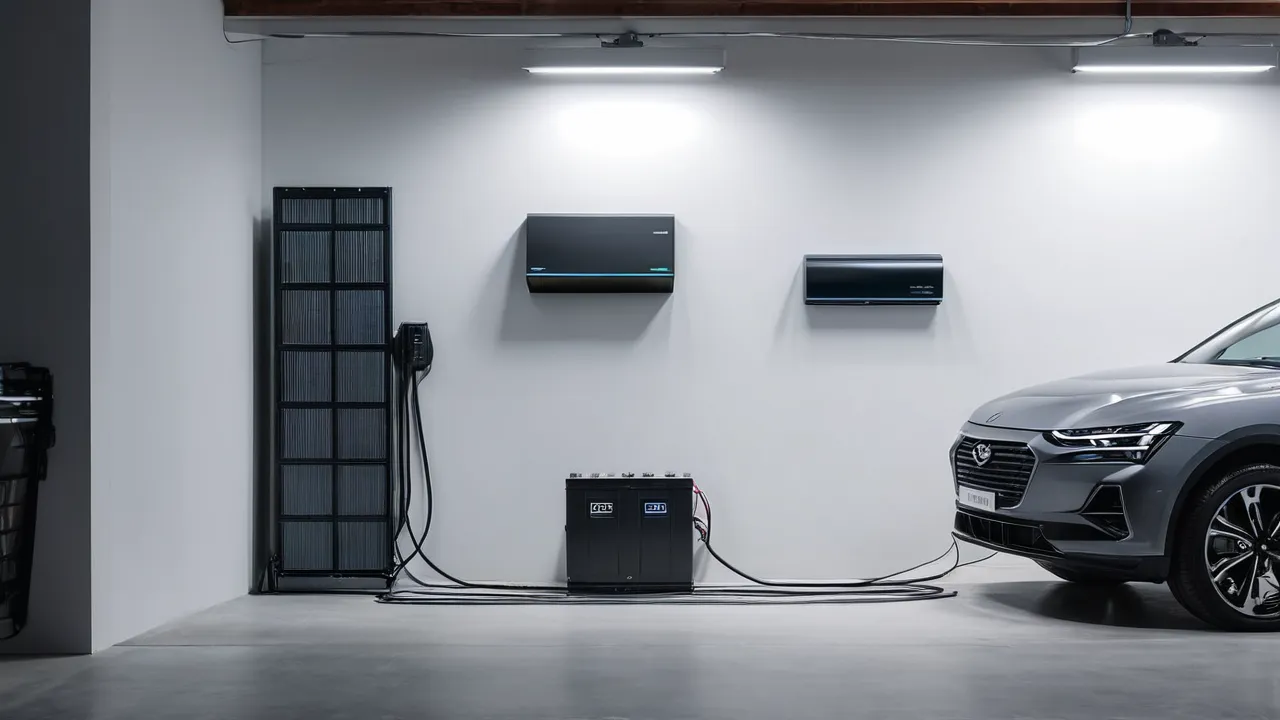
Vehicle to home backup power means using an electric vehicle battery to run your house during a blackout, and it works only with a compatible vehicle, a bidirectional charger and a properly installed transfer system. Compared with a home battery or a generator, it offers a large energy reserve, but it costs a vehicle’s availability and needs specific equipment and professional installation.
Three Ways to Keep the House Running
Three options dominate home backup. A vehicle to home system draws power from an EV through a bidirectional charger. A home battery is a stationary battery wired into your electrical panel, often paired with solar. A generator burns fuel and feeds loads, either as a portable unit or a standby unit.
Each trades differently on capacity, cost, noise, fuel and installation. Start by listing the loads you must run and the length of outage you expect, then compare.
What Vehicle to Home Actually Requires
Vehicle to home is not available on every electric vehicle. You need a vehicle whose maker supports bidirectional power at the home level, a compatible bidirectional charger or home integration kit, a transfer device or gateway that isolates the house from the grid and often a permit and utility approval. Some vehicles offer a simpler vehicle to load option, which provides outlets that power appliances directly, without connecting to the house.
An electric vehicle battery is much larger than a typical home battery, often several times larger in kilowatt hours, so it can carry essential loads for days. But the vehicle is then tied up, and if you need to drive during the outage, you use the same battery. Check the manufacturer’s documentation for supported models, power limits and warranty terms about using the battery for home power.
Ask these questions before you commit. Does the vehicle manufacturer support home backup for my exact model and year of vehicle, and is it covered by the warranty? Which bidirectional charger is approved, and who installs it? Does my electric utility allow it and require an application? What is the maximum power and how many circuits can it back up? What happens if the vehicle is away? How does the system behave when the vehicle battery reaches a minimum charge? Answers vary by product, and they change as the market develops, so get them in writing and check current information from official sources.
Also consider battery wear. Cycling a vehicle battery for home power adds energy throughput that some owners worry about, and warranty terms differ. During a blackout the use is usually small, but if you plan to use vehicle power for daily bill savings, read the warranty carefully.
Where a Stationary Home Battery Wins
A home battery is built for the job. It switches automatically, stays at home and often pairs with solar, so it can recharge during a multi day outage. It is quiet, has no exhaust and needs little attention. Installation is usually done by licensed professionals and designed for the home’s electrical panel.
Its limits are capacity and cost per kilowatt hour compared with a vehicle battery. A typical home battery may carry essential loads for a day or so without solar, and more with solar or if you limit use. See the home battery backup category.
Think about daily value. A home battery can also shift solar and time of use energy every day, which an EV may do too, but only when plugged in at home. For households with one vehicle used for commuting, the home battery is always available and ready at home when the grid fails at night or during the day. For households with two vehicles or a home based work pattern, vehicle power might be more accessible.
Where a Generator Still Makes Sense
Generators provide long runtime as long as you have fuel, and they can power large loads. They suit areas with long outages, homes with big loads like well pumps and air conditioners and buyers who want a lower upfront cost. The tradeoffs are noise, fuel storage, maintenance and carbon monoxide risk, so the unit must run outdoors, away from the house. A standby generator offers automatic operation but needs a gas line and professional installation. See the whole home generator category for permanent units and the portable power stations category for smaller battery options.
Consider the worst case: a week long outage after a major storm. A battery, even with solar, may be limited by weather, and an EV may have to be driven to charge elsewhere. A generator with enough fuel keeps going, and a standby unit on natural gas may keep running as long as the gas supply holds. For homes in areas that experience long outages, a generator as a backup to a battery is a sensible pairing. Store enough fuel for your plan, and maintain the machine.
Side-by-Side Comparison
- Energy available: vehicle large, home battery moderate, generator limited by fuel.
- Equipment needed: vehicle needs compatible car and charger; home battery needs install; generator needs fuel and a safe connection.
- Noise and fumes: vehicle and battery quiet and fume free; generator noisy with exhaust.
- Recharging: vehicle and battery from solar or grid; generator by refueling.
- Availability: vehicle is away if you drive; home battery stays home; generator can be moved.
- Installation: all connections to the home need a licensed electrician.
Add a time dimension to the table. In the first hour, a home battery or automatic standby generator restores power on its own, a vehicle to home system may also switch automatically if designed that way and a portable generator waits for you. By the end of the first day, the battery or vehicle has used part of its stored energy, while a generator has used fuel. By the third day, the energy picture depends on recharging for batteries and fuel supply for generators. Thinking in these time slices shows which tool fits your outage pattern, rather than looking only at a single capacity number.
Which Buyer Should Choose What
- You own a compatible EV and want large backup: vehicle to home, if your utility and installer support it.
- You have solar and want automatic, quiet backup: home battery.
- You face long outages and heavy loads: generator, with a transfer switch.
- You want simple, limited backup: a portable power station for essentials.
Many households combine options, such as a home battery for daily use and a generator for extended outages.
Walk through three examples. A suburban family with a compatible EV, a solar roof and frequent short outages might choose a home battery for daily use and rely on the vehicle for rare long outages if supported. A rural homeowner with a well pump and week long winter outages might choose a standby generator with an automatic switch. A city dweller with a small apartment and rare outages might choose a portable power station for essentials. In each case, the loads and outage length decide.
Safety and Installation Rules
Never connect a generator, battery or vehicle to a home panel without proper transfer equipment, since backfeed can injure utility workers and damage equipment. Hire a licensed electrician, follow local code and utility rules and get permits. Never run a fuel generator indoors, in a garage or near doors, windows and vents, and use carbon monoxide alarms. Follow each manufacturer’s manual on installation, ventilation and operation. See how we review for how we assess products.
Add a practical routine. Run your backup system on a planned schedule with the main breaker off, as the installer instructs, to confirm it transfers and carries the loads. Keep manuals and installer contact details near the panel, label breakers for backed up circuits and keep a flashlight handy. If you use a generator, keep fuel stored safely and check the carbon monoxide alarms in the house each season.
Frequently Asked Questions
Can any electric car power a house?
No. Only certain models support vehicle to home power, and they need a compatible bidirectional charger and transfer equipment. Some offer vehicle to load outlets instead. Check the manufacturer’s documentation and your utility’s rules before assuming a car can power your house.
Is vehicle to home better than a home battery?
It offers far more stored energy, but needs a compatible vehicle and specific equipment, and the car may be away from home when the power fails. A home battery stays put, switches automatically and pairs easily with solar. The better choice depends on your vehicle and outage needs.
How long can an EV power a house?
It depends on battery size, remaining charge and your loads. With a large battery and only essential loads, it may last days. Divide usable kilowatt hours by your average load in kilowatts for an estimate, and leave some charge to drive.
Do I still need a generator if I have a home battery?
Not always. If outages are short, a battery may be enough, and solar can recharge it during longer events. For multi day outages or heavy loads such as a well pump, a generator can add runtime. Compare your outage history and your largest loads before deciding.
Final Thoughts
Vehicle to home offers large capacity for owners with a compatible EV and equipment, home batteries offer quiet, automatic backup and generators offer long runtime for heavy loads. Choose by outage length and loads, and use a licensed electrician for any home connection.
Related buying guides
- Home Battery Backup Mistakes to Avoid
- How Much Home Battery Capacity Do You Need
- Home Battery Installation: What to Expect
About the author

The BuyOnceChoice Editorial Team researches durable products worth buying once. Our guides compare published specifications, warranty terms, expert review consensus, and verified owner feedback. We do not conduct our own product trials. See How We Review and our Editorial Policy for our standards.