Drip Coffee Maker vs Espresso Machine: Which Do You Need
Drinks per day and whether you add milk decide this choice. A plain method for comparing five year costs, effort, and counter space for each machine.
 By BuyOnceChoice Editorial Team
Updated November 16, 2026
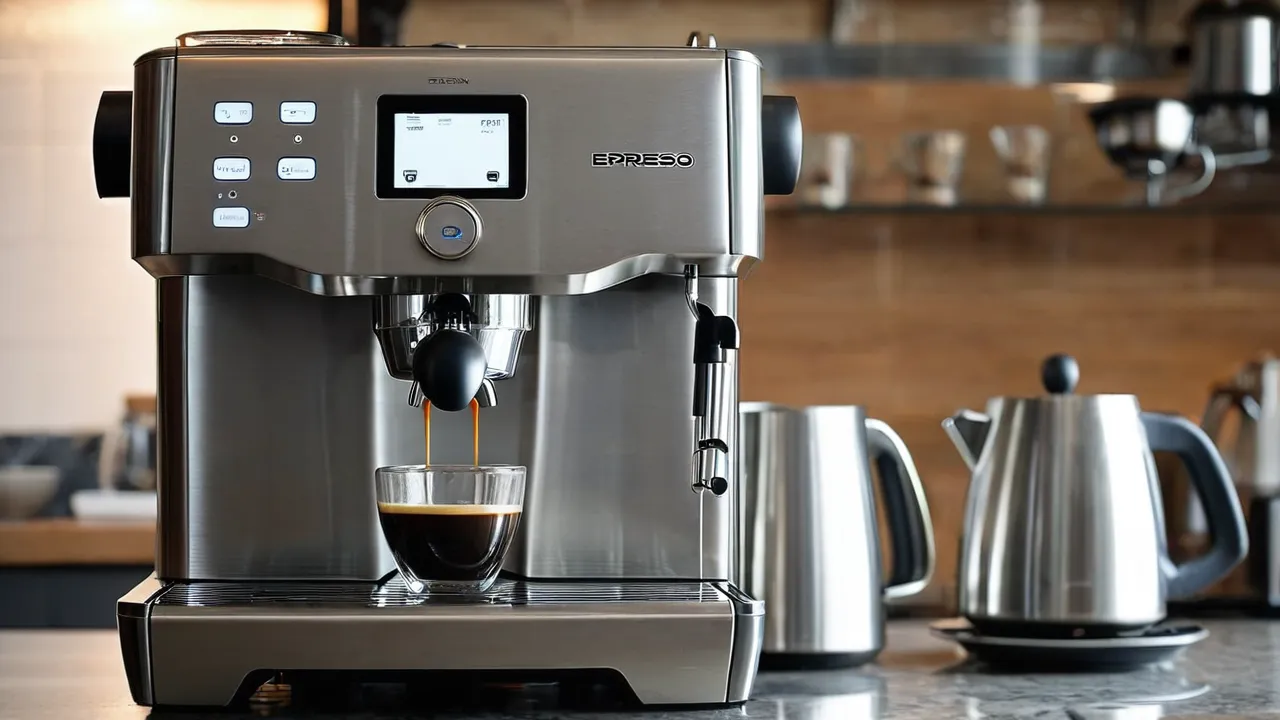
A drip coffee maker vs espresso machine choice depends on how many drinks you make, whether you want milk based drinks, and how much effort you will accept each morning. Drip suits big, simple volume with little skill, while espresso suits one or two concentrated drinks and rewards you only if you will keep up the routine.
What Each Machine Actually Makes
A drip coffee maker pours hot water over a bed of ground coffee in a filter and collects the result in a carafe. The brew is mild and plentiful, built for mugs and for sharing. An espresso machine forces hot water through finely ground coffee under pressure to produce a small, concentrated shot. That shot is the base for lattes, cappuccinos, and Americanos, and it is also drunk plain.
Because the products are different, they are not substitutes for every drinker. If you want a large mug of straight coffee, an Americano is a workaround, but it is not the same thing as a drip brew. If you want a flat white, drip coffee cannot get you there. Decide what ends up in your cup before you look at machines.
Decide by Drinks Per Day and Milk
Use these rules as a starting framework.
- **One or two plain mugs a day for one person:** a small drip machine or a single serve brewer is enough and cheap to run.
- **Several plain mugs across a household:** a carafe drip machine is the efficient choice, since one brew serves many people.
- **Milk based drinks every day:** an espresso machine, usually with a steam wand or built in frother, is the right tool.
- **One latte lover plus several plain drinkers:** you may want both, or a machine that does one and a cheaper pour over device for the other.
Be honest about the time. An espresso drink takes grinding, dosing, tamping, pulling the shot, and steaming milk on a semi automatic machine, and then cleaning up. A drip machine takes a minute of setup and then you walk away.
A Verdict by Buyer Type
- The plain coffee drinker who wants a pot ready on a timer: drip.
- The household with several drinkers on different schedules: drip with a thermal carafe, or a drip machine plus a single serve option.
- The latte and cappuccino drinker: espresso, either semi automatic if you enjoy the routine or super automatic if you want one button.
- The person on a tight budget who still wants strong coffee: drip now, and add espresso later when the habit justifies a grinder.
- The occasional host who makes drinks for guests: espresso may impress, but a large drip carafe serves more people with less effort.
Five Year Cost of Beans, Pods, and Upkeep
Think in five year terms, not purchase price. Use your own local prices and this method.
1. **Machine cost.** Add the purchase price of the machine and any grinder you need. Espresso usually needs a good grinder, since pre-ground coffee is a common source of poor results. Check the manual or product page for whether a grinder is built in.
2. **Coffee cost.** Estimate the ounces of beans per drink, multiply by drinks per day and days per year, and multiply by your price per ounce. Espresso typically uses more coffee per cup of liquid than drip.
3. **Milk and extras.** Include milk if you drink lattes.
4. **Upkeep.** Include filters for drip, descaler, cleaning tablets, and replacement parts such as gaskets or water filters.
5. **Divide by five.** Compare the annual numbers, not the sticker prices.
For many households, the cost of coffee outweighs the machine price over several years. An espresso habit that replaces daily cafe visits can still save money. A drip machine replacing nothing cannot.
A Five Year Sketch With Placeholder Numbers
To show the method without inventing prices, use symbols. Let M be the machine price, G the grinder price, C the yearly coffee cost, and U the yearly upkeep cost. Five year cost equals M plus G plus five times C plus five times U. Fill in your own figures for both machines and compare. The drip column often has a smaller M, no G, and a smaller C for the same number of mugs, while the espresso column carries a larger M and G but may replace purchases you currently make elsewhere.
The calculation also exposes a hidden cost, which is replacement. If a machine is likely to need a repair or a new part within five years, add that in. A machine with available gasket kits and a service network keeps the five year number honest, while one that must be replaced entirely pushes it up.
Effort, Skill, and Cleanup
A drip machine is forgiving. A wrong grind or dose changes taste but rarely ruins the cup, and a programmable timer can have a pot ready as you wake up. Cleaning is rinsing a basket and carafe, plus periodic descaling.
An espresso machine is less forgiving. Grind size, dose, and tamp pressure all affect the shot, so there is a learning period. A machine with a pressurized portafilter basket is easier for beginners but limits quality, and an unpressurized basket rewards skill. Cleanup includes wiping the steam wand right after each use, rinsing the group head, and clearing the drip tray. Some owners find the routine enjoyable, while others quit after a few weeks.
If you know you will not follow a routine, choose drip or a super automatic machine and accept the costs.
Taste Expectations
Do not expect an inexpensive espresso setup to taste like a cafe on day one. Shot quality depends on fresh beans, grind consistency, and technique, and on many entry machines, the grinder is the limiting factor. Drip coffee depends mainly on the ratio of coffee to water, fresh beans, and a clean machine. A well kept drip machine makes consistently decent coffee with little skill, which is a real virtue for many households.
What a Daily Espresso Routine Actually Includes
A typical semi automatic routine is grinding, dosing, tamping, pulling the shot, steaming milk, wiping the wand, knocking out the puck and rinsing the portafilter. Add a weekly backflush if the manual calls for it, and descaling on the maker’s schedule. A drip routine is dump the grounds, rinse the basket and carafe, and add water. Write down how many minutes you can give each morning before choosing.
Counter Space and Water Needs
An espresso machine plus a grinder takes noticeably more counter space than a drip maker. Measure width, depth, and the height needed to remove the water tank or fill it. Also check how often the tank needs refilling, since it is smaller than a drip reservoir.
Both machine types suffer from hard water. Scale builds in the boiler or heating element, so the descaling schedule from the manual matters. Espresso machines with boilers and small passages are more sensitive. Using water suited to the machine, as the manual advises, protects both.
Safety and Setup
Plug into a grounded outlet and keep cords away from heat. Espresso machines produce steam and very hot water, so keep hands clear of the steam wand and follow the manual for purging and use. Never submerge the base. Electrical issues belong to a licensed electrician or the manufacturer’s service.
Who Should Skip What
Skip an espresso machine if you want a large cup of plain coffee with no effort, if you drink coffee mostly in a rush, or if you will not clean it. Skip a drip machine if your daily drink is a latte or cappuccino, since a drip maker cannot produce one. Consider owning both if the household splits between milk drinkers and big batch drinkers.
If you want a single device with less skill, a super automatic machine grinds and brews at the touch of a button, though it costs more and has more internal parts that can fail. Weigh that trade carefully, because convenience at the push of a button brings grinder wear and more cleaning cycles.
Frequently Asked Questions
What is the difference between a drip coffee maker and an espresso machine?
A drip machine pours hot water over grounds in a filter and collects a mild, large volume of coffee in a carafe. An espresso machine forces hot water through finely ground coffee under pressure to make a small, concentrated shot that forms the base for milk drinks. They make different drinks and are not direct substitutes.
Can an espresso machine make regular coffee?
Not exactly. It makes concentrated shots, and adding hot water gives an Americano, which tastes different from drip coffee. If you want a large mug of plain coffee with minimal effort, a drip machine is simpler and cheaper to run. Some households own both for different moods.
Is an espresso machine harder to use than a drip coffee maker?
Usually, yes. Semi automatic machines require grind size, dose and tamp control, and there is a learning period. Super automatic machines do most steps for you, and drip makers are the most forgiving. Choose by how much time and attention you can give each morning.
Which is cheaper to run, drip or espresso?
Drip is typically cheaper per cup because it uses ordinary ground coffee and paper filters, with fewer extras. Espresso adds a grinder, milk, descaler and more maintenance. Compare using your own prices: machine plus grinder, yearly coffee, milk and upkeep, divided over the years you expect to keep it.
Final Thoughts
Pick drip for volume, simplicity, and the lowest running cost. Pick espresso for milk drinks and concentrated shots, but only if you will keep up the routine and have the grinder and counter space. Do the five year cost math with your own prices, check the manual for descaling rules and water needs, and be realistic about daily effort. See the coffee maker category and best coffee maker roundup for options, and how we review for our approach.
Related buying guides
- Drip vs Pour Over vs French Press: Pick Your Method
- Espresso Machine Boilers Explained: Thermoblock vs Boiler
- Espresso Machine Milk Frothers: Steam Wand vs Auto Froth
About the author

The BuyOnceChoice Editorial Team researches durable products worth buying once. Our guides compare published specifications, warranty terms, expert review consensus, and verified owner feedback. We do not conduct our own product trials. See How We Review and our Editorial Policy for our standards.