Dishwasher Buying Guide: What Matters for Long Life
Features lists hide what decides longevity. Look at the wash pump, spray arms, filter, tub and parts access, and match the choice to your water and kitchen.
 By BuyOnceChoice Editorial Team
Updated November 16, 2026
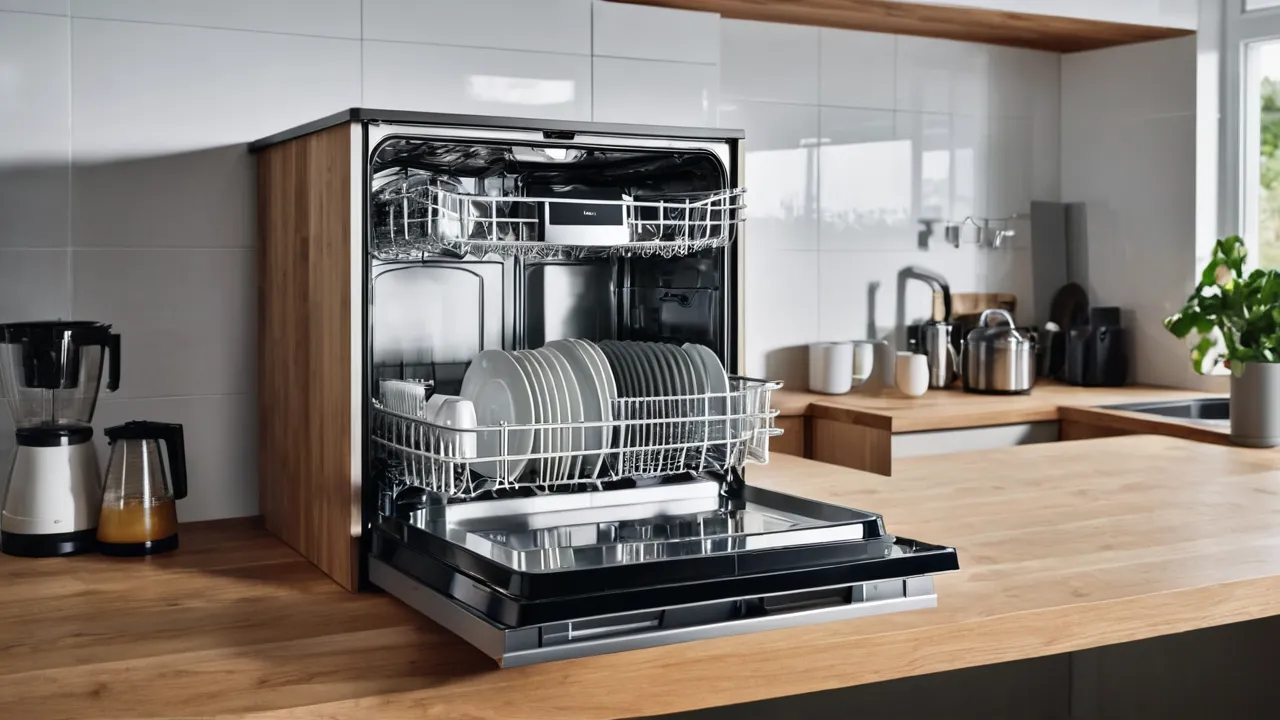
To choose a dishwasher that lasts, check how it circulates and drains water, how easy the filter and spray arms are to clean, what the tub and racks are made of, and whether parts and service are easy to get, then match noise and capacity to your kitchen. Third racks, wifi and cycle counts matter far less to long term satisfaction than a sound pump and a filter you will actually clean.
Fit and Hookups Come First
Before comparing features, confirm that the machine fits. Most built in dishwashers are about 24 inches wide, with a standard height range that suits most cabinets. Measure the opening width, height and depth, including clearance for the door to open past the cabinet edge and for the tub to slide out for service. Check the manual’s installation sheet for required dimensions, the water supply connection, the drain connection and the electrical requirement.
Plan the drain properly. Most local codes require a high loop or an air gap on the drain hose so dirty sink water cannot siphon back into the machine, and a poor drain is a common cause of standing water. A licensed plumber can confirm what your area requires. For a movable or smaller machine, our 18 inch portable dishwasher roundup covers the compact options.
The Wash System: Pump, Motor and Spray Arms
The pump and motor are the heart of the machine, and they are where long term quality differs. Dishwashers use a circulation pump to push water to the spray arms and a drain pump to send it out. Some models combine functions into one motor, and others split them. Neither layout is automatically better. Look instead at how the manufacturer describes serviceability and what the warranty covers for the motor.
Spray arms matter because they decide whether corners and the top rack get clean. Look for arms that are easy to pop off for cleaning, with clear nozzles. Mineral buildup from hard water clogs small holes over time, so a design where you can remove and rinse the arms in a minute is worth more than a fancy extra arm.
Filtration and Cleaning: Manual Versus Self Cleaning
Filters come in two broad types. A manual filter, a mesh and cylinder assembly at the bottom of the tub, traps food and needs rinsing every few weeks. It makes the machine quieter and uses less power, but you must remember to clean it. A self cleaning filter grinds up or flushes food particles down the drain, so there is no routine maintenance, but it tends to run louder and can pass small food bits through the wash water.
For owners who forget maintenance, a self cleaning system can reduce complaints about odor and poor results. For owners who will clean a filter, a manual one is usually quieter and simpler to repair. Either way, check the manual to see how the filter is accessed and whether it can be removed without tools.
Tub, Racks, Noise and Capacity
Tub Material, Racks and Door Seal
Tub material affects heat retention, noise and durability. Stainless steel tubs retain heat and tend to be quieter, plastic tubs are common at lower price points and can stain or retain odors. Racks with a coated finish can chip over time and expose metal that rusts, so look for racks that describe a durable finish and rollers that can be replaced. Rack parts are a common repair, so confirm that replacement wheels, tines and rack assemblies are sold.
The door seal and tub edge should be easy to wipe. A cracked or hardened gasket is a leak risk. Check the manual for how to clean the gasket and how to order replacements.
Noise, Capacity and Cycles
Noise is stated in decibels, with lower being quieter, and it matters most in open plan homes. Treat the number as manufacturer stated, and compare units from the same maker’s scale. Capacity is more about rack layout than raw volume. A flexible upper rack with folding tines can handle tall glasses and large pots. A third rack suits utensils and small items, but it reduces the height of the upper rack.
Most households use only a handful of cycles. A normal or auto cycle with a soil sensor, a heavy cycle, and a quick cycle cover almost everything. Heated dry and sanitize options have value for certain households, but they add complexity and sometimes lengthen the cycle.
Hard Water, Detergent and Cost of Ownership
Dishwashers perform best when matched to your water. Hard water leaves film and clogs spray arms, and a machine with a built in water softener or a rinse aid dispenser can help. Check your local water hardness from your utility report, and adjust the machine’s setting in the manual. Use detergent the manufacturer recommends, since too much or too little affects results.
For water safety, check the supply hose and drain hose after installation and every so often. A braided stainless steel supply line is common. Know where the shutoff valve is, and shut off the water before any repair. A small leak under the unit can damage cabinetry before you notice, so some owners place a leak sensor underneath.
Cost of Ownership Beyond the Sticker
Over the life of a dishwasher, the cost is the purchase, the water and electricity per load, detergent, and any repair. Efficiency labels give an estimate of annual energy use under standard conditions, and they help you compare models in the same class. A machine that cleans well on the normal cycle saves you from rerunning loads or pre rinsing, which wastes more water than most people realize. Skip heavy pre rinsing, since modern soil sensors and detergents are designed to work with food residue present. If your dishes come out gritty, check the filter and spray arms before blaming the machine.
Repairability and Failure Points: The Buy Once Check
Before buying, check the warranty length on the motor and electronics, whether service manuals or parts diagrams are public, and whether common parts such as pumps, spray arms, filters and racks are sold in the open market. Control boards are a frequent failure point on feature heavy models. A machine with simpler controls generally has fewer boards to fail. Ask whether local technicians service the brand.
A quick shelf check helps here. Look up the model number, then see whether the manufacturer parts page lists the circulation pump, drain pump, spray arms, filter and door gasket by part number. If you can find those parts in a few minutes before buying, you can probably find them when something fails. If the model is hard to look up at all, treat that as a reason to compare other machines.
Common Failure Points to Ask About
Owners most often report a few recurring problems: a drain pump that clogs on a bone, seed or broken glass fragment, a door latch or switch that stops registering a closed door, a leaking door gasket, and a control board fault. Clogs are usually a maintenance issue. A door latch and a gasket are inexpensive parts on many models. Boards and motors are the costly items, so the warranty on those is worth reading. If the manual or product page does not state coverage, ask the seller before you buy.
Decision Rules
- Large family, daily loads: favor a robust pump system, stainless tub and flexible racks.
- Quiet open plan kitchen: prioritize stated noise level and a stainless tub.
- Hard water area: favor easy to clean spray arms and rinse aid support.
- Busy household that forgets upkeep: a self cleaning filter reduces risk.
- Renter or small kitchen: a compact or portable design fits better.
Frequently Asked Questions
What features matter most when choosing a dishwasher?
Fit, drainage and a sound pump matter most, followed by a filter you will actually clean, spray arms that are easy to remove, and a durable tub and racks. Noise and capacity come next. Extra cycles, wifi and a third rack matter far less to long term satisfaction than reliable plumbing and available parts.
Is a stainless steel tub worth it in a dishwasher?
Often yes. Stainless tubs hold heat well and tend to be quieter, while plastic tubs are common at lower price points and can stain or hold odors over time. Check the manual for how the tub and racks are described, and weigh the tub against pump quality and warranty coverage on the motor.
Should I choose a manual filter or a self cleaning filter?
Choose a manual filter if you will rinse it every few weeks, since it is usually quieter and simpler to repair. Choose a self cleaning filter if upkeep tends to slip, because it avoids odor and poor results from a neglected filter, though it can run louder. Check how either one is accessed.
How do I know if a dishwasher will fit my kitchen?
Measure the opening width, height and depth, then compare them with the installation sheet in the manual. Leave room for the door to open fully and for the machine to slide out for service. Also confirm the water supply, drain connection and electrical requirement before you buy.
Final Thoughts
A long lived dishwasher is not the one with the most features. It is the one that fits, drains properly, has spray arms and a filter you will really clean, uses a durable tub and racks, and comes from a maker whose parts are easy to buy. Decide on fit and plumbing first, then weigh noise and capacity, and favor simpler controls when you are buying for the long run. Read how we review for how we weigh these factors, and see our dishwasher guides for the broader category.
Related buying guides
- Dishwasher Capacity: Place Settings vs Real Loads
- Dishwasher Noise Levels: What Decibel Rating to Pick
- Dishwashers and Hard Water: Fixes That Work
About the author

The BuyOnceChoice Editorial Team researches durable products worth buying once. Our guides compare published specifications, warranty terms, expert review consensus, and verified owner feedback. We do not conduct our own product trials. See How We Review and our Editorial Policy for our standards.