How Long Does a Dishwasher Last and Repair vs Replace
Plan on roughly a decade, then judge each failure by part cost against a new machine. Learn which repairs are worth it and which signal the end of the line.
 By BuyOnceChoice Editorial Team
Updated November 16, 2026
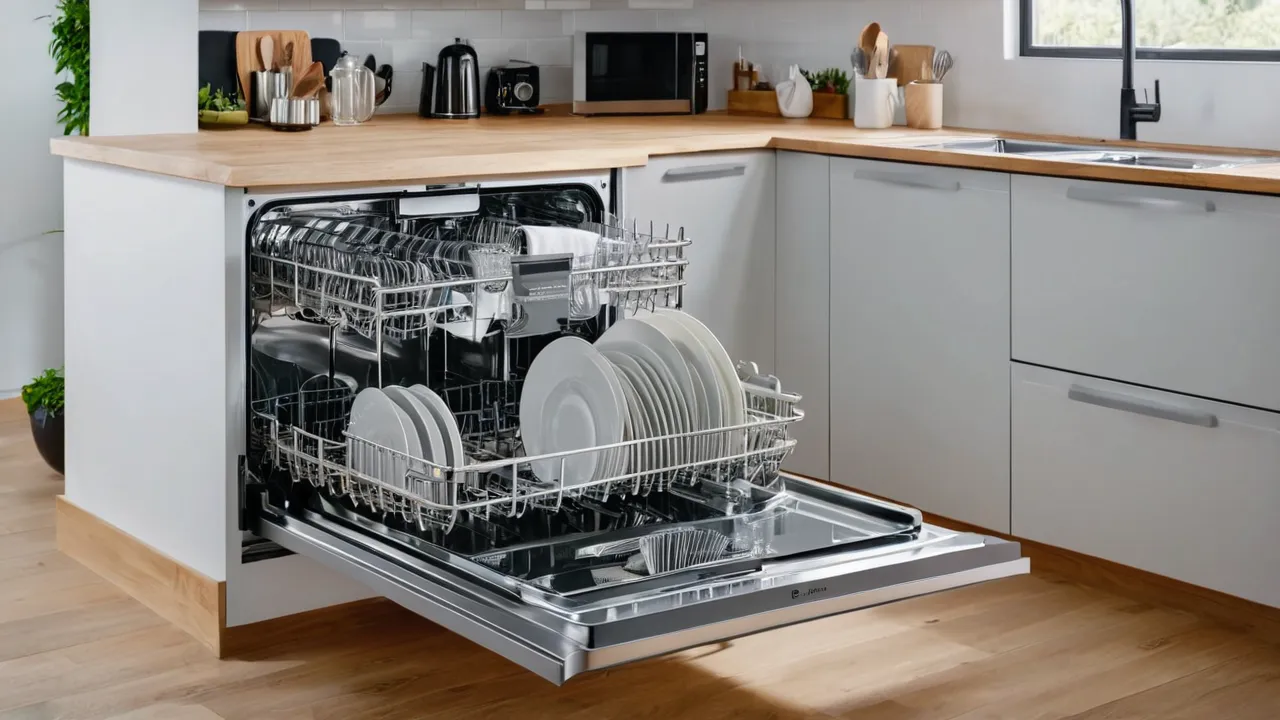
How long does a dishwasher last depends on use, water quality and maintenance, and roughly nine to ten years is a commonly cited planning figure rather than a promise. The practical question is when to repair and when to replace, and a good rule is to repair when the fix costs well under half of a comparable new machine and the rest of the unit is in good shape.
What Sets a Dishwasher’s Lifespan
No single number applies to every machine. Four factors move the outcome.
- Load frequency. A household running a load daily puts several times the cycles on a machine than one running it twice a week.
- Water hardness. Hard water builds scale on heating elements, spray arms and valves.
- Maintenance. A clean filter and clear spray arms reduce strain on the pump.
- Build quality. Tub material, pump design, rack coatings and the electronics all vary between brands and tiers.
Because manufacturers do not publish durable lifespan figures, treat any specific number you read online as an estimate. What you can verify is the warranty length and what it covers, the parts availability and whether local technicians service the brand.
The Parts That Fail Most Often
Most failures fall into a short list. Knowing it helps you judge a repair quickly.
- Drain pump or drain hose clog. A broken glass fragment, a seed or a label can jam the pump. Often this is a cleaning job, not a part replacement.
- Door latch or door switch. The machine thinks the door is open and will not start. Both parts are usually inexpensive.
- Door gasket. A hardened gasket leaks along the door. Replacement is straightforward on most models.
- Inlet valve. A valve that sticks closed gives low or no water, and one that sticks open can overfill.
- Spray arm or bearings. Mineral deposits and wear cause weak spray.
- Heating element. Dishes come out wet or the water stays cool.
- Circulation or wash motor. Usually a costly repair, signaled by loud grinding or poor cleaning.
- Control board. Display faults, buttons that do not respond or cycles that stall.
Warning Signs That the End Is Approaching
A single fault does not mean the machine is finished. A pattern does. Watch for a cluster of the following.
- Dishes stay gritty or filmy even after cleaning the filter and arms.
- Water remains in the tub after the cycle.
- Rust appears inside the tub or on the racks beyond a few spots.
- Leaks recur after you replace the gasket.
- Repeated error codes tied to the motor or board.
- Loud noise from the pump that did not go away after a cleaning.
If several of these appear on a unit that has been repaired before, replacement usually makes more sense than another repair.
Keep a short log of faults with the date and what you did about each. Three small repairs in a year tell a different story than one repair in five years, and the log gives a technician a faster diagnosis. It also helps you apply the repair or replace rule honestly when the next quote arrives.
The Repair or Replace Rule
Use a rule you can apply in a few minutes.
1. Get a written quote for the repair, including the parts and the labor, from a technician who services your brand.
2. Compare it with the cost of a new machine that does the same job.
3. If the repair is under about a third of the replacement cost and the unit is not old, repair it.
4. If the repair is between a third and a half, repair only if the machine has otherwise been reliable and is not near the end of its expected life.
5. If the repair is half or more of the replacement cost, replace it.
Adjust the rule for age. A major repair on a machine well beyond a decade is rarely a good bet, because the next failure is likely to follow soon. A repair on a younger unit that is still under a parts warranty is often worth it.
Reading a Quote Carefully
A repair quote should list the diagnosis, the part, the labor and any trip charge. Ask whether the part is new, whether it is covered by a warranty and for how long, and whether the technician found other worn items. A diagnostic fee that is credited toward the repair is common. Be cautious about a quote for an entire motor or control board on an older machine, since those are often the highest priced parts, and compare the number to a replacement before you say yes. If you are unsure, a second opinion costs little compared with a wrong decision.
The Cost of Waiting
Some failures carry a risk beyond the machine. A leaking tub, door seal or inlet valve can damage the floor and cabinets. If you see water under the machine, stop using it, shut off the supply valve and look for the source. Water damage repairs often cost much more than the dishwasher. For that reason, a leak that keeps coming back is a strong sign to replace, while a one time gasket leak is an easy repair.
What to Check When You Replace
When you decide to buy new, use the failure of the old machine as a guide. If the old one clogged repeatedly, look for a filter you will clean. If the board failed, prefer simpler controls and a stronger warranty on electronics. If hard water scaled the machine, plan for rinse aid and look for easy to clean spray arms. Measure the opening, confirm the drain method, and ask about parts availability for the new brand before you buy.
Cheap Fixes to Try First
Before you call a technician, do the free checks that fix a large share of problems.
- Clean the filter and the sump area, and look for debris.
- Remove and rinse the spray arms, and clear any clogged holes with a toothpick.
- Check the drain hose for kinks, and confirm the connection at the sink or disposal. If you have a garbage disposal, make sure the knockout plug was removed during installation.
- Run a cleaning cycle with a cleaner the manual approves.
- Reset the machine by cutting power at the breaker for a few minutes, according to the manual.
Shut off the water supply and the power before any work that involves removing panels or touching the plumbing, and use a licensed professional for hardwired electrical and plumbing work.
Prolonging Life
Small habits add up. Scrape dishes rather than rinsing them heavily, since soil sensors and detergents are built to work with some residue. Use the right amount of detergent and a rinse aid if your water is hard. Keep the filter clean on the schedule in the manual. Leave the door ajar after a cycle to let moisture escape. Do not overload the racks, since blocked spray arms cause poor cleaning and extra strain. For selecting the next machine with longevity in mind, our dishwasher guides explain what to compare.
Decision Rules
- Younger unit, low cost repair, known fault: repair.
- Older unit, motor or board failure: replace.
- Repeated repairs over a short time: replace.
- Leak that damaged the floor or cabinet: shut off water and replace if the source was a failed tub or pump seal.
- Considering a smaller or portable machine as a replacement: see the 18 inch portable dishwasher roundup.
Keep the model and serial number from the nameplate with the manual. A technician or parts seller will ask for both, and they let you check the warranty status and the exact parts list before you pay for a repair.
Frequently Asked Questions
How long does a dishwasher last on average?
Roughly nine to ten years is a commonly cited planning figure, but no maker guarantees it. Load frequency, water hardness, maintenance and build quality move the outcome a lot. Judge each failure by the part, the quote and the age of the machine instead of relying on the number.
Is it worth fixing a dishwasher?
Yes when the repair costs under about a third of a comparable new machine and the unit is not old, or up to half if it has been reliable. Replace if the repair is half or more of the price. A motor or control board failure on an older machine is usually a replacement case.
What is the most common dishwasher repair?
Clogs in the drain pump or hose are among the most common, and they are often a cleaning job. Door latches and switches, door gaskets and inlet valves are other frequent and inexpensive parts. Motors and control boards are the costly repairs, so check the warranty on them.
When should I replace a dishwasher instead of repairing it?
Replace when several warning signs appear on a unit that has been repaired before: gritty dishes after cleaning the filter, water left in the tub, rust inside the tub, recurring leaks or repeated motor or board errors. A leak that damaged the floor or cabinets is also a strong reason to replace.
Final Thoughts
Think of a dishwasher’s life as a decade as a planning figure, then judge each failure on the part, the age and the quote. Try the free fixes first, apply the half of replacement cost rule, and favor a replacement with a clear warranty and easy parts access. For how we assess these tradeoffs, read how we review.
Related buying guides
- How to Clean a Dishwasher and Prevent Odors
- Stainless vs Plastic Dishwasher Tubs: Does It Matter
- Appliance Warranty Checklist: What Covers What
About the author

The BuyOnceChoice Editorial Team researches durable products worth buying once. Our guides compare published specifications, warranty terms, expert review consensus, and verified owner feedback. We do not conduct our own product trials. See How We Review and our Editorial Policy for our standards.