Ballistic Nylon vs Cordura vs Polyester Luggage Fabric
A high denier number does not make a durable bag. This guide unpacks weave, fiber and coating, and shows where real backpacks wear first.
 By BuyOnceChoice Editorial Team
Updated November 16, 2026
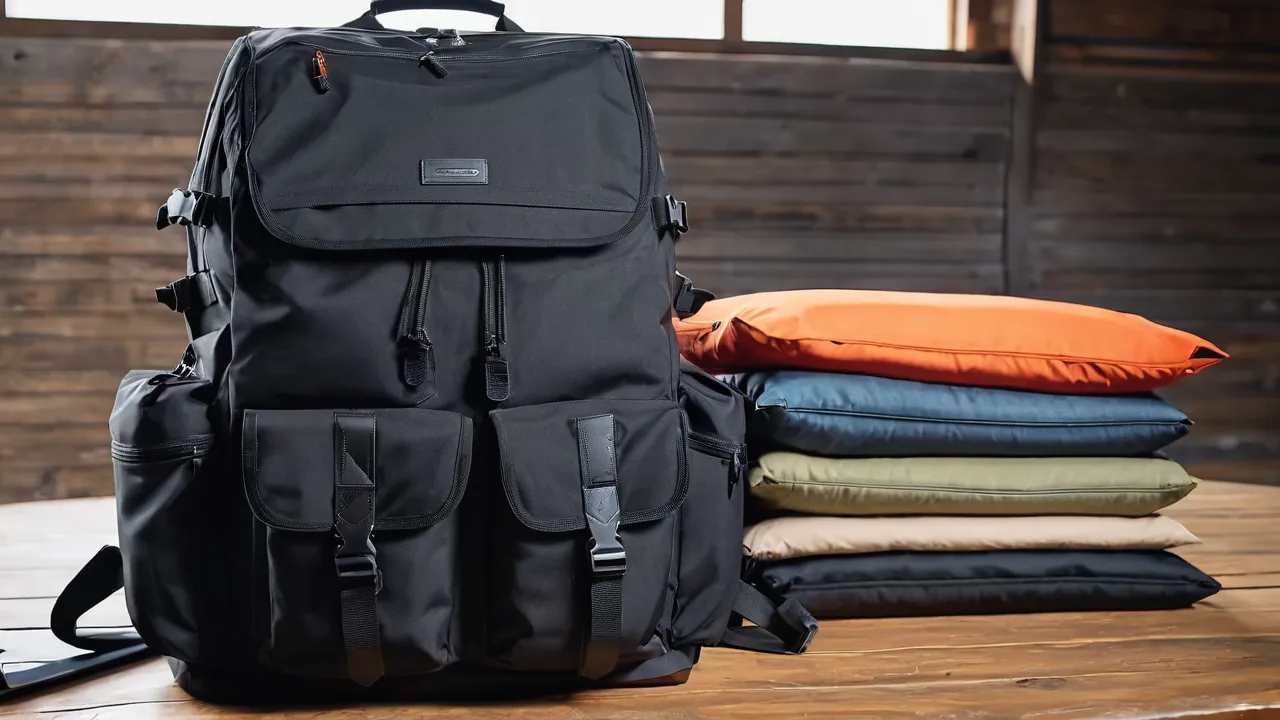
Ballistic nylon and Cordura are both tough nylon-family fabrics, but they are not rivals on one scale. Ballistic nylon is a thick, basket-weave fabric, and Cordura is a brand name for a range of textured fabrics that includes several constructions. Compare weave, fiber and coating together, because denier alone says very little about how long a backpack will last.
What Denier Really Measures
Denier is the weight in grams of 9,000 meters of a single yarn. A thicker yarn has a higher denier. That tells you about the yarn, not about the finished fabric. Two fabrics with the same denier can behave very differently depending on how tightly they are woven, what fiber they use and what coating is applied.
Marketing often treats denier as a quality score, with bigger numbers presented as better. A heavy fabric can be stiff, hot and prone to showing creases, while a lighter ripstop with reinforced yarns may resist tearing better. Use denier only as a rough clue to weight and bulk.
Weave, Fiber and Coating
Think of every pack fabric as a three-part recipe.
- Weave: how yarns cross. A tight, plain weave resists snags. A basket weave groups yarns, giving a thick, rugged surface. A ripstop weave adds heavier threads at intervals to stop tears from spreading.
- Fiber: nylon resists abrasion well. Polyester is a little stiffer, resists ultraviolet fading better and takes on less water, but it often wears faster against rough surfaces.
- Coating: a polyurethane layer on the back adds water resistance, while a durable water repellent finish on the face makes rain bead up. Coatings wear off before the fabric does.
The Fabrics Compared
Ballistic nylon
Ballistic nylon has a history in protective gear, which gave it its name. In bags it usually means a thick, 2 by 2 basket weave in a heavy yarn. The result is a fabric that handles scraping against concrete and being dragged across airport floors.
Its drawbacks are weight and stiffness. A bag made from ballistic nylon feels sturdy but can be heavier for a given size. It can also feel less pliable when you stuff it into an overhead bin. Many briefcase-style bags and executive backpacks use it; see our best executive backpack roundup for formats that favor a polished, rigid look.
Cordura
Cordura is a registered brand of a fiber and fabric supplier, used for fabrics built with textured air-jetted yarns. It is not one fabric. A Cordura label can sit on a heavy canvas-like weave or on a lighter ripstop. The textured yarn gives a cotton-like feel with nylon’s abrasion resistance.
Because the name covers many products, read past the label. Ask what denier, what weave and what coating the specific bag uses. Two Cordura packs can differ greatly in weight and feel. Treat the brand name as a sign of a branded fiber supplier, not as a performance guarantee.
A quick way to compare is to ask three questions of any fabric. How does it feel in the hand, stiff or pliable? How heavy is it for the size of the bag? What happens when you scrape it against concrete? Ballistic nylon answers stiff, heavier and very well. A textured Cordura-type fabric answers more pliable, moderate weight and well. A light polyester answers soft, light and adequately. None of these is wrong; they suit different habits.
Where Backpacks Actually Wear Out
Most backpacks do not fail because the main fabric tears through. Real wear points show up elsewhere:
- The bottom panel, which rubs on concrete, car trunks and airport floors.
- Corners and seams, where fabric folds under stress.
- Strap anchor points and the stitching around the top handle.
- The inner coating, which can flake or turn sticky with age.
- Zipper tape, which frays at the ends.
A better fabric helps at the bottom and corners, which is why some packs use a thicker panel there. Check for a reinforced base, bar-tack stitching at stress points and taped seams. Our backpack category lists packs where these construction details can be compared.
Polyester in perspective
Polyester is common in budget packs and is not automatically inferior. It resists sun fading, holds color and accepts coatings well. It tends to abrade faster than nylon and can feel harsher. For a pack used mostly as a commuter bag or school backpack, polyester can last for years. For rough travel with dragging and heavy loads, nylon is the safer choice.
How to read a product page
Look for specifics, not adjectives. A good listing names the fiber, the weave or construction type, the denier range and any coating. A vague claim like military-grade fabric tells you nothing. If a listing only says high denier, treat it with caution. When a manufacturer states figures, use them as given and avoid assuming more.
The three fabrics at a glance
Use this as a starting map, not a verdict. Individual products differ, and the weave, coating and stitching of the actual bag matter more than the fabric name.
| Fabric | Typical feel | Weight for size | Best suited to |
|---|---|---|---|
| Ballistic nylon | Thick, stiff basket weave | Heavier | Business and commuter bags that see floors and tight spaces |
| Cordura-branded fabric | Textured, more pliable, varies by product | Moderate, varies | Travel packs where you want abrasion resistance without stiffness |
| Polyester | Smooth, lighter, can feel harsher | Lighter | School, light commuting and budget packs |
If two bags look equal on this table, break the tie with construction: a reinforced base panel, bar-tack stitching at strap anchors and zippers with sturdy tape tell you more about durability than a single material name.
Coatings and Care Over Time
The coating on the back of a fabric is often the first thing to age. Polyurethane layers can break down with heat and humidity, a process owners describe as the inside turning sticky or flaky, especially in bags stored in hot attics or car trunks. That is a storage and age issue more than a fabric flaw. Keep packs in a cool, dry place and avoid long storage while damp.
The water-repellent finish on the surface washes out gradually. It can be refreshed with a spray-on or wash-in treatment made for outdoor fabrics, and the instructions on the product apply. Do not expect a pack made from any of these fabrics to be fully waterproof. Seams, zippers and the opening at the top let water in, and a rain cover or a dry bag inside the pack does more for your gear than a thicker fabric ever will.
Finally, remember that thicker fabric needs thicker thread and stronger stitching. A heavy shell stitched with thin thread can tear at the seam long before the cloth gives up. When you inspect a pack, look at the seam allowance, the density of stitches and the stitching at straps. This is where the fabric choice meets real construction.
A Practical Buying Shortcut
If you want a single rule, match the fabric to the way the pack will be treated. A bag that rides on your back in a city commute, sits under a desk and sees the occasional drizzle does not need the thickest weave on the market. A bag that gets dropped on airport floors, shoved under bus seats and stuffed into cargo holds benefits from a heavier nylon and a reinforced base. Ask yourself where the bag will spend most of its life, then buy for that surface, not for the biggest number on the tag.
Who Should Choose Which
Choose ballistic nylon if you want a rigid, abrasion-resistant look for commuting and business travel and do not mind extra weight. Choose a Cordura-branded fabric if you want a more fabric-like feel and a recognized fiber source, after checking the weave and coating. Choose polyester for light use, school or budget needs. Skip fabrics that list only a big denier number with no fiber or coating information. Review the criteria we apply on the how we review page.
Frequently Asked Questions
Is ballistic nylon better than Cordura?
Not on a single scale. Ballistic nylon is a thick, stiff basket weave with strong abrasion resistance but extra weight. Cordura is a brand covering several constructions, some heavy and some light. Compare the specific weave, denier and coating of the bag you are considering, not the name on the label.
Does a higher denier mean a stronger backpack fabric?
No. Denier measures yarn thickness, not fabric quality. Weave tightness, fiber type and coating change how the finished fabric wears. A heavy high denier fabric can be stiff and bulky, while a lighter ripstop can resist tearing well. Treat denier as a clue to weight and bulk only.
Is polyester backpack fabric lower quality than nylon?
Not automatically. Polyester resists sun fading and holds color, and it accepts coatings well. It usually abrades faster than nylon against rough surfaces. For commuting or school use it can last for years, while nylon is the safer choice for rough travel with dragging and heavy loads.
Are ballistic nylon or Cordura backpacks waterproof?
No. The fabric may carry a water repellent finish and a coated back, which help shed light rain, but seams, zippers and the opening let water in. A rain cover or a dry bag inside the pack protects your gear better than a thicker fabric, and the finish needs refreshing as it wears.
Final Thoughts
Fabric names are shortcuts, not specifications. Ballistic nylon is a thick basket weave, Cordura is a brand covering several constructions, and polyester is a capable fiber for lighter duty. Check the weave, fiber and coating together, then look at the base panel, seams and zipper tape, because those are the places a pack actually wears out.
Related buying guides
- How to Care for a Travel Backpack: Washing and Waterproofing
- Carry-On Backpack Dimensions: Will It Pass the Gate
- Carry-On Backpack vs Rolling Suitcase: How to Decide
About the author

The BuyOnceChoice Editorial Team researches durable products worth buying once. Our guides compare published specifications, warranty terms, expert review consensus, and verified owner feedback. We do not conduct our own product trials. See How We Review and our Editorial Policy for our standards.