Carry-On Backpack Dimensions: Will It Pass the Gate
Liters do not equal dimensions. Learn why a 40L pack can fail the sizer and how to measure a packed backpack so it clears your airline's carry-on limit.
 By BuyOnceChoice Editorial Team
Updated November 16, 2026
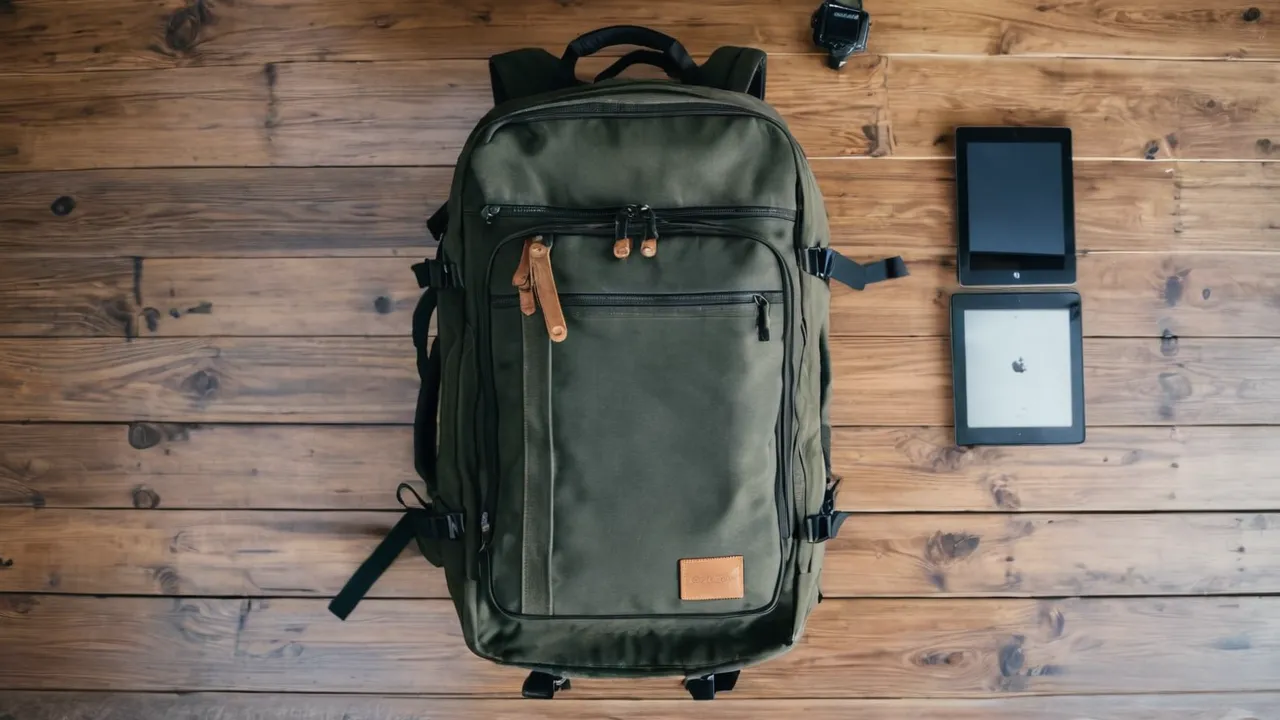
Carry on backpack dimensions decide whether a pack passes the gate, and liters do not predict them: a 40 liter pack can fail the sizer while a 35 liter pack passes. Many US carriers describe a carry-on limit near twenty-two by fourteen by nine inches, but the number varies by airline and fare. The safe approach is to read the stated outside dimensions, then measure the pack when it is packed, since a stuffed backpack bulges beyond its listed depth. This guide explains how to do that and what to do if the pack is too big.
Why liters mislead
Liters describe interior volume, and volume can be arranged in many shapes. A tall, narrow pack and a short, wide pack can have the same volume and different outside dimensions. Only one may fit the sizer.
Makers also count volume differently. Some include external pockets and some do not. Some state the maximum volume with the expansion open. This is why two packs labeled the same size can behave very differently at the gate.
Because of these differences, treat liters as a rough guide for what you can pack and use dimensions for what the airline cares about. When a maker lists only liters, ask for dimensions or assume the pack is unconfirmed.
What airlines measure
Airlines look at the full outside size, from the highest point to the lowest, widest to narrowest. For a backpack that includes the top handle, the bottom, the side pockets, and any straps that stick out. A pack that is within the limits when empty can exceed them when full, especially in depth.
Sizers are rigid frames, and soft bags can sometimes be pushed into them. Gate staff may allow a slightly bulging bag to be squeezed in, but this is discretionary. Do not plan on it.
Also note that some carriers limit weight for carry-ons, so size is not the only constraint. Check the weight limit for your carrier and fare, and remember that a backpack feels heavier when you carry it.
How to measure a packed backpack
Follow these steps.
- Pack the bag as you would for the trip, including items in pockets.
- Stand it on a hard floor with the straps tucked in and the top handle lying flat.
- Measure the height from the floor to the highest point.
- Measure the width across the widest part, including side pockets.
- Measure the depth from the back panel to the outermost point at the front, including bulges.
- Compare each number with your airline’s limit and leave a margin of at least half an inch.
If you cannot stand the pack up, lay it on its back and measure the same three dimensions. Tuck the straps into the back panel or use a strap pocket so they do not add depth. Record the numbers so you can compare with limits as you change your packing.
Try fitting the pack into a box or a corner of a room that matches the limit, or use a sizer template made from cardboard. A cardboard frame at home is a cheap check that tells you the same thing as a gate sizer.
Backpacks usually run over in depth. Depth is the dimension that fails most often. Backpacks are sold by volume, and when you fill them, they grow in depth. A pack designed with a rigid back panel and a firm front does not grow as much, while a soft pack can balloon.
Height can fail when a pack has a tall frame, a top handle, or a lid. Width is less often a problem, but side pockets and bottles can add an inch or two.
Compression straps help control depth. Tighten them evenly and check again with the tape. If the pack does not compress to the limit, remove items.
Packs with expandable sections should be measured in both states. Plan to use the expansion only for the return trip if you know it will exceed the limit, and be ready to check the bag or move items.
A worked example against a common limit
Several large US carriers list 22 by 14 by 9 inches for overhead bags, including wheels and handles, while some low-fare and regional carriers set smaller or different limits. Use the number on your airline’s page for your fare, not a general figure. Say you pack your backpack and measure 22 inches tall, 14 inches wide and 10.5 inches deep. Height and width pass, but depth is 1.5 inches over a 9 inch limit. The fix is not a smaller pack, it is a flatter load: pull out the thick items from the front pocket, cinch the compression straps and measure again.
If depth still fails, move the bulky item to your personal item or wear it. Personal item limits are smaller and vary by carrier, so check that number too. Then repack and measure once more before you leave. Doing this at home costs a few minutes, and doing it at the gate can cost a fee.
Choosing a pack that will pass
When you shop, look for packs that state outside dimensions, not only liters, and that describe the dimensions as including pockets or compression. Packs that publish dimensions and weight are easier to trust. Compare those numbers with your carrier limits and choose a pack that is a little under.
Also consider structure. A pack with a firmer frame and clear shape holds its dimensions when full. See the backpacks category for styles that are designed for carry-on use, and the best executive backpack page for work-oriented packs that keep a slim profile. If you are choosing between a pack and a roller, read about the luggage sets options for how rolling bags fit the limits.
If a pack is slightly too large, a common workaround is to wear it through the gate and keep it close, but this does not change the rule, and some carriers watch for it. A better plan is to choose a pack that passes on its own.
If the pack is too big on the day
Have a plan before you reach the gate. Remove bulky items and wear them, such as a jacket, or move items to a small tote that counts as your personal item, if your carrier allows. Compress the pack and check again.
If you are asked to check the pack, remove valuables, medication, and electronics and take them with you. Tuck loose straps away and ask for a bag cover or tie if the carrier offers one, since straps can catch on conveyors. Keep documents, chargers, and breakables in your personal item.
After the trip, measure the pack again and decide whether to reduce what you pack or choose a smaller pack.
Soft packs versus structured packs
Structure changes how predictable the dimensions are. A pack with a firm back panel, a molded base, or an internal frame holds its outside shape, so the stated dimensions are close to what you will measure. A pack made of soft fabric with little structure can look compact on the page and balloon when filled, especially at the center of the front panel.
If you prefer a soft pack for comfort, accept that you must pack with discipline, use compression straps, and re-measure. If you prefer predictability, pick a structured pack and weigh the small loss in flexibility. Neither is wrong, but each calls for a different habit before you leave home.
Who should be strict, and who can relax
Travelers on low-fare carriers, on regional jets, or on international routes should be strict, since limits are tighter and enforcement is common. Those flying a mainline carrier with a generous limit can relax a bit but should still measure.
Travelers who plan to check the pack anyway can ignore carry-on limits but should consider the weight cap. Our how we review page describes how we treat missing dimensions when evaluating a pack.
Frequently Asked Questions
What size backpack counts as carry-on?
It depends on the airline and fare. Many US carriers describe overhead bag limits near 22 by 14 by 9 inches, including pockets, wheels and handles, but some carriers differ and basic fares can restrict you to a personal item. Check your carrier’s page, then measure your packed backpack against it.
Is a 40 liter backpack carry-on size?
Sometimes, but liters do not decide it. A 40 liter pack can fail the sizer if it is too tall or too deep, while a 35 liter pack that is flatter can pass. Compare the pack’s stated outside dimensions with the airline’s limits, and measure it fully packed.
Does a backpack need to fit in the sizer when it is full?
Yes, that is when airline staff may check it. A stuffed backpack bulges beyond its listed depth, and staff may or may not let a soft pack be squeezed in. Measure it packed, leave about half an inch of margin, and use compression straps to control depth.
Can I bring a carry-on backpack and a personal item?
Often yes on standard fares, but basic or low-fare tickets may allow only a personal item or charge for the larger bag. Personal items have smaller limits that differ by airline. Read the baggage rules for your fare before you pack, and keep valuables and chargers in the item that stays under the seat.
Final Thoughts
Liters tell you how much a backpack can hold, and dimensions tell you whether it will be allowed on board. Measure the packed pack, compare the numbers with the airline limits, and leave a margin. A pack that passes on paper and in your hands is more likely to pass at the gate.
Keep the numbers in a note on your phone and update them when airlines change policies. If a pack is borderline, pack lighter or choose a smaller pack. The few minutes you spend measuring can save you a fee and a stressful moment at the gate.
Related buying guides
- Carry-On Backpack vs Rolling Suitcase: How to Decide
- Fixed vs Removable Laptop Sleeve in Travel Backpacks
- How Long Do Travel Backpacks Last and What Fails First
About the author

The BuyOnceChoice Editorial Team researches durable products worth buying once. Our guides compare published specifications, warranty terms, expert review consensus, and verified owner feedback. We do not conduct our own product trials. See How We Review and our Editorial Policy for our standards.